


Carlos Saavedra and Rosario Mannella work in the charged interval between what the body reveals and what the world prefers not to name. Their collaborations feel lived rather than staged, shaped by movement, memory, and the quiet intensity of people who have crossed borders both geographic and internal. The images linger, rearranging the room and recalibrating how beauty, presence, and belonging can be understood.
Both artists are formed by departure rather than arrival. Caracas and Milan dissolve into Barcelona, Ibiza, Australia, Miami, New York, until geography becomes less a destination than a heightened state of perception. This continual motion produces neither fragmentation nor nostalgia, but fluency. Identity emerges as something practiced daily, negotiated through the body, refined through adaptation, and ultimately claimed through visibility.
Saavedra photography
Carlos Saavedra’s photography carries this intelligence at its core. Born in Caracas and sharpened across continents, he approaches the camera as a responsive instrument rather than a neutral witness. Figures recur, divide, and return, mirroring lives shaped by rupture rather than linear inheritance. Movement remains legible in every frame, while stillness feels provisional. The human form appears not as fixed subject, but as evolving narrative.
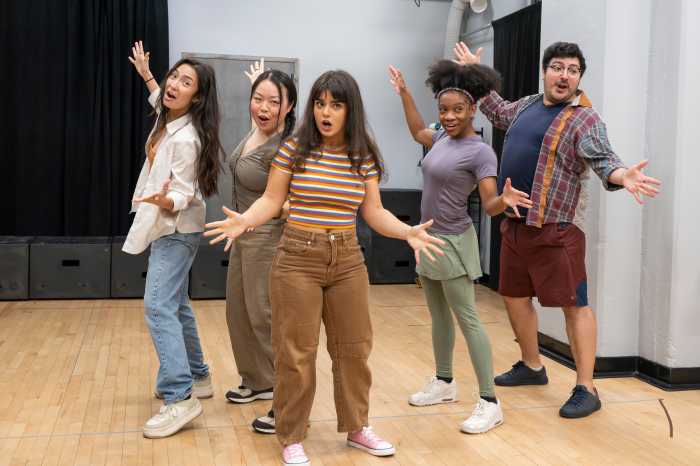
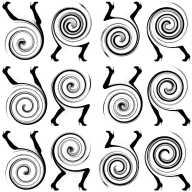
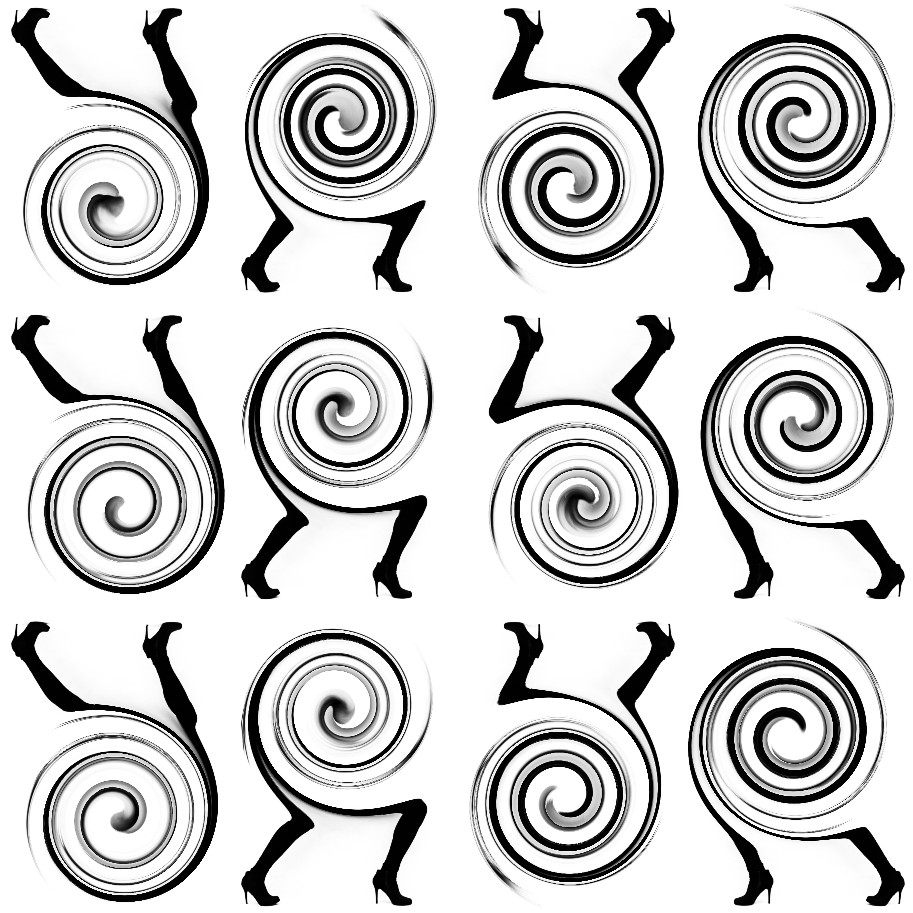
In Born to Be, Not to Fit In, fashion, performance, and urban space converge into images that feel inhabited rather than arranged. Repetition functions as memory. Distortion functions as refusal. The body multiplies because survival has required it to learn many ways of standing, moving, and being seen. These images persist without pleading for interpretation, offering certainty without explanation.
A Fallen Angel shifts the tempo while maintaining emotional gravity. Rendered in black and white against sea and sand, descent is reframed as awakening. The fall becomes a conscious passage into vulnerability and choice, where gravity transforms from adversary into collaborator. Recurrent forms suggest evolution rather than collapse, allowing transformation to unfold with quiet inevitability.
Saavedra’s images reward patience. Meaning accumulates slowly, asking the viewer to linger rather than consume. Beauty carries consequence here, bound to memory and an insistence on truth that does not seek approval.
Mannella runs parallel
Running in intimate parallel is Rosario Mannella, whose relationship to the architecture of appearance lives closest to the skin. Born in Milan of Sicilian origin, his earliest education unfolded in spaces of proximity, where transformation occurs face to face and trust precedes change. These environments reveal a truth often overlooked: surface is never superficial. The body speaks long before language intervenes.
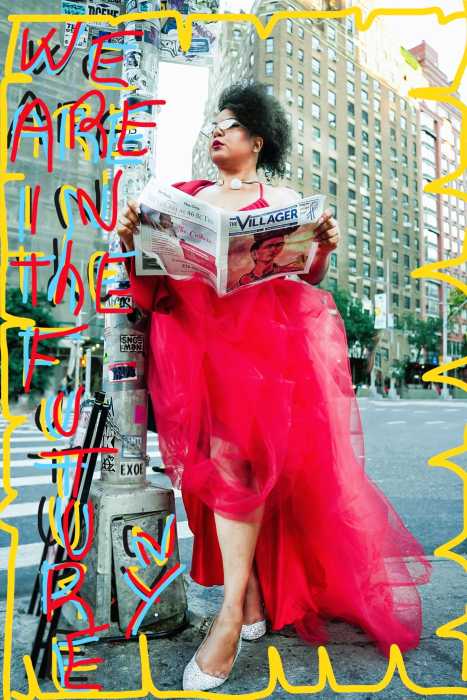
From Ibiza’s nocturnal intensity to international fashion collaborations and ultimately New York, Rosario refined a practice rooted in empathy and precision. The shaping of hair, skin, and expression in his hands does not disguise. It clarifies. Ancient in premise, cosmetic ritual has always served to mark identity, signal belonging, and elevate the human form into ceremony.
Together, Saavedra and Mannella operate within a shared understanding of image-making as cultural construction. Photography, once dismissed as mechanical, now stands as one of the most powerful tools for registering modern life. Practices devoted to shaping appearance remain central to how visibility, power, and representation are negotiated. These disciplines do not embellish identity. They structure it.
What unites this collaboration is an ethic rooted in expansion rather than contraction. Beauty carries meaning. Identity carries history. Visibility carries responsibility.
At its core, this work also asserts a deeper truth about American creativity itself. The culture has never been shaped by sameness, but by translation, by those who arrive carrying other rhythms, other histories, other ways of seeing, then transform everyday life into something newly legible. Immigrant artists widen the frame. They recalibrate the gaze. They remind the culture that creation does not emerge from comfort, but from movement, friction, and adaptation.
Saavedra and Mannella contribute to this lineage not by explaining it, but by living it. Their work affirms presence, plurality, and the enduring power of art shaped by the human body and the human spirit.