



A judge ruled to undo a controversial New York City Department of Education policy that forces teachers to waive their right to attorney-client privilege in order to obtain legal representation — a decision that the city is appealing to a higher court.
Manhattan Supreme Court Justice Debra James found that the waiver the New York City Law Department began instituting in 2018 in order for DOE employees to receive representation by city attorneys violates their right to counsel and the attorney-client privilege.
“The new provision suggests that DOE can waive the employee’s privilege in any context — waiving the privilege and providing information to the plaintiffs in the lawsuit against the employee, or sharing the information with future employers without the employee’s consent,” James wrote in her decision.
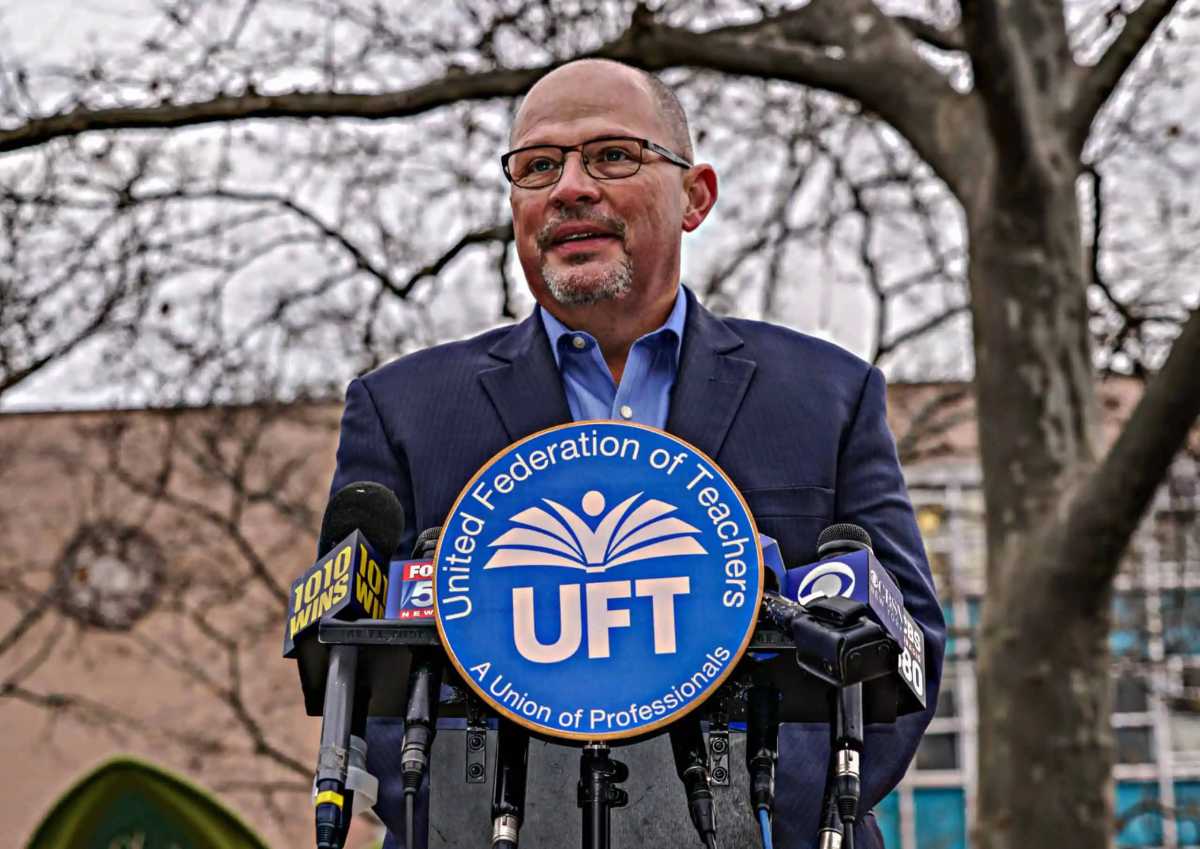
The ruling comes from a lawsuit that the city’s public teachers union, the United Federation of Teachers, filed in 2018, in which it argued that the policy transforms a “statutory right” into “a trap.”
“We are gratified by the judge’s decision to protect educators’ statutory rights to legal representation and indemnification,” wrote UFT spokesperson Alison Gendar about the decision.
The city Law Department provides free legal defense to municipal employees who are sued for issues that happen at work. But to retain a city attorney from the Law Department, employees must sign a waiver allowing the agency to report facts indicating employee misconduct to the DOE and that the DOE has the right to overturn the employee’s attorney-client privilege regarding that information.
James ordered the city to reverse this policy, calling it “irrational” and an excess of the Law Department’s authority. She ruled that the Law Department must immediately stop sending this waiver requirement in future representation letters to UFT members, and that it inform UFT members who previously received such letters about this ruling.
The Law Department argued that the rule is justified by its consideration for the public interest.
“This longstanding policy makes clear to public employees who we represent using taxpayer funds that if during the course of our representation we learn about any inappropriate or criminal activity, we would refer that misconduct to the appropriate city agency or authority,” wrote Law Department spokesperson Nick Paolucci in response to the decision.
The balance of this protection to the public against the employee’s rights already exists in the sense that employees can be fired or face criminal consequences, James suggested. She ultimately found that the language of the waiver was overly broad, and potentially gave the DOE the power to waive an employee’s privilege in any context and without an expiration date.
The court also rejected the argument that the waiver was voluntary, noting that not every employee can comfortably afford private counsel and might feel they have “no alternative” but to consent to the waiver in order to receive their guaranteed defense.
Paolucci confirmed that the city is appealing the ruling to the Appellate Division, First Department.