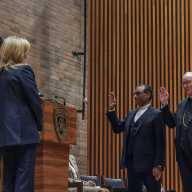


This week, Gov. Kathy Hochul signed historic legislation protecting countless children and families across New York State from a broken child abuse reporting system. The Anti-Harassment in Reporting Act makes our state the third in the U.S. — behind only Texas and California — to prevent bad actors from making anonymous reports of child abuse to the state hotline. This new law will change the lives of vulnerable New Yorkers and finally put an end to a practice that has traumatized families for far too long.
To be clear: the identity of hotline callers has always been strictly confidential, and most people with good intentions have no problem identifying themselves. But under the Anti-Harassment in Reporting Act, the option of anonymity is removed. It is well documented that domestic abusers use anonymous reporting as a tool of coercive control, instilling fear in victims even after physical separation. Landlord-tenant disputes and family feuds also present an opportunity to misuse the system. Over-reporting burdens our already strained caseworkers and takes time and resources away from legitimate cases and children who need help. And anonymous reports aren’t harmless — they traumatize children and families. They trigger unannounced home visits, school interrogations, and in some cases, children being strip-searched without a parent present.
The reform is personal for me. Over a decade ago, I began researching every single state’s child abuse reporting hotline. In 2014, I published the first comprehensive legal analysis on the topic, which demonstrated in detail how anonymity fuels false reports, coercive control, and systemic bias. That research brought national attention to the problem and directly informed the landmark legislation in Texas and California that ended anonymous reporting — reforms New York will now begin implementing.
Over the years, I’ve represented people harmed by the system, including Shannon, a domestic violence survivor who fled to a shelter with her two-year-old daughter to escape an abusive husband. She thought she was finally safe, but her abuser found a way to torment her without ever setting foot near the shelter. He and his friends made anonymous calls to Child Protective Services. Each call triggered visits to the shelter. Each investigation found nothing. But the calls kept coming, and Shannon kept living in fear that the next knock on the door would be the one that took her daughter away. Even though she was always cleared by CPS, she was also terrified that her “record” would have a negative impact on her custody battle.
After a full year of harassment, Sharon’s custody case finally went to trial. Shannon’s ex admitted under cross examination that he and his buddies had made the reports with malicious intent. The judge awarded Shannon sole legal and physical custody. Shannon’s ex-husband walked out of the courthouse and never once attempted to see or contact his daughter again. You see, the hotline reports and his relentless pursuit of custody were never about his child — they were about maintaining power and control over Shannon.
The current reporting system was designed with good intentions: to encourage reporting by removing all barriers. But anonymity removes accountability and enables abuse of the system, especially during custody battles. That is why a broad coalition of family-focused organizations across the state — close to three dozen — endorse it.
Hochul has taken historic action, but signing the bill is only the first step. Implementation will be critical. CPS hotline operators must be properly trained. Data collection must track outcomes to ensure that the law reduces malicious reports. Failing to do so will leave in place a broken system that traumatizes innocent families and wastes resources.
Hochul and New York have seized this moment. For Shannon and for thousands of children and families across the state, it’s our responsibility to ensure this is just the beginning of our work to protect them.
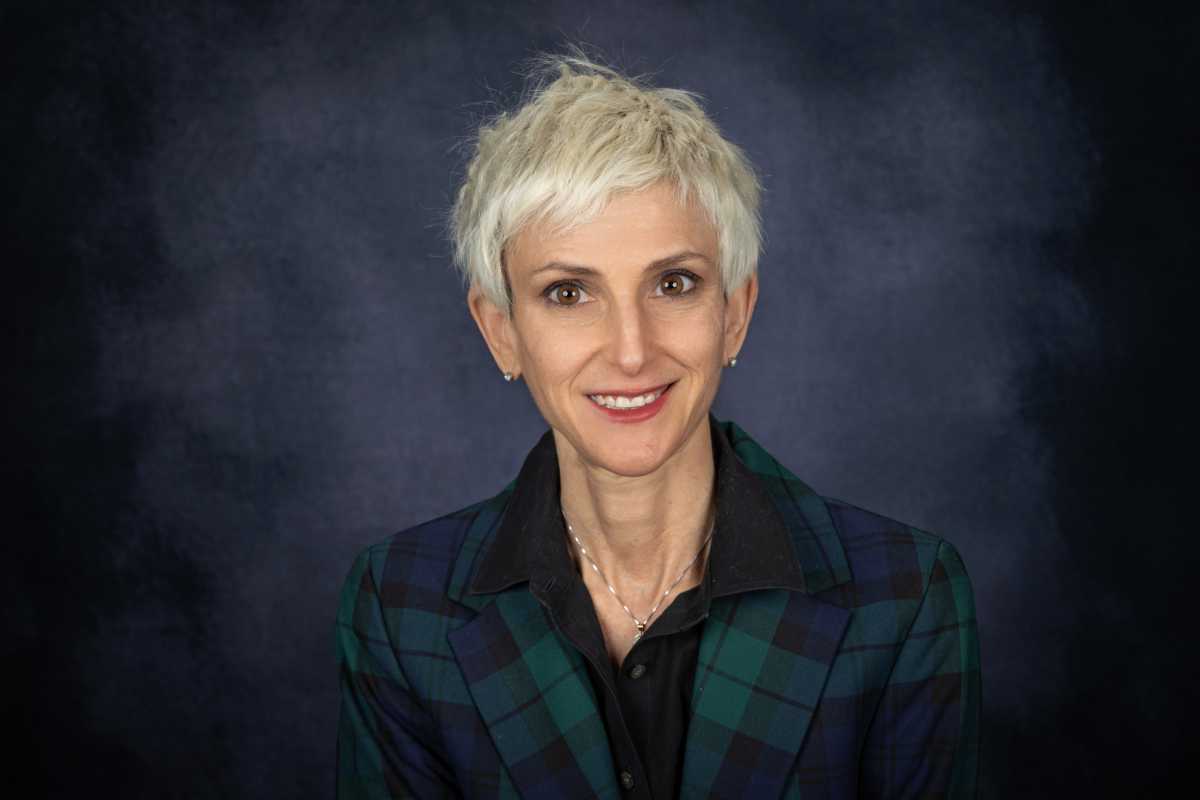
Dale Margolin Cecka is an assistant professor of law and director of the Family Violence Litigation Clinic at Albany Law School.