


The state court system announced plans in early April to renovate and reopen the Harlem Community Justice Center, a problem-solving court focused on housing and family court issues that closed during the pandemic and never fully reopened.
The effort is a part of State Chief Judge Rowan D. Wilson’s campaign to expand problem-solving courts statewide. The Office of Court Administration established a working group to restructure the court and oversee facility improvements.
“I am wholly confident that, through the collaboration of this diverse and highly accomplished group of leaders and experts, we will find the best path forward in realizing the Harlem Community Justice Center’s full potential as a neighborhood fixture whose positive impact will be felt throughout East, Central and Western Harlem,” Wilson said in a statement.
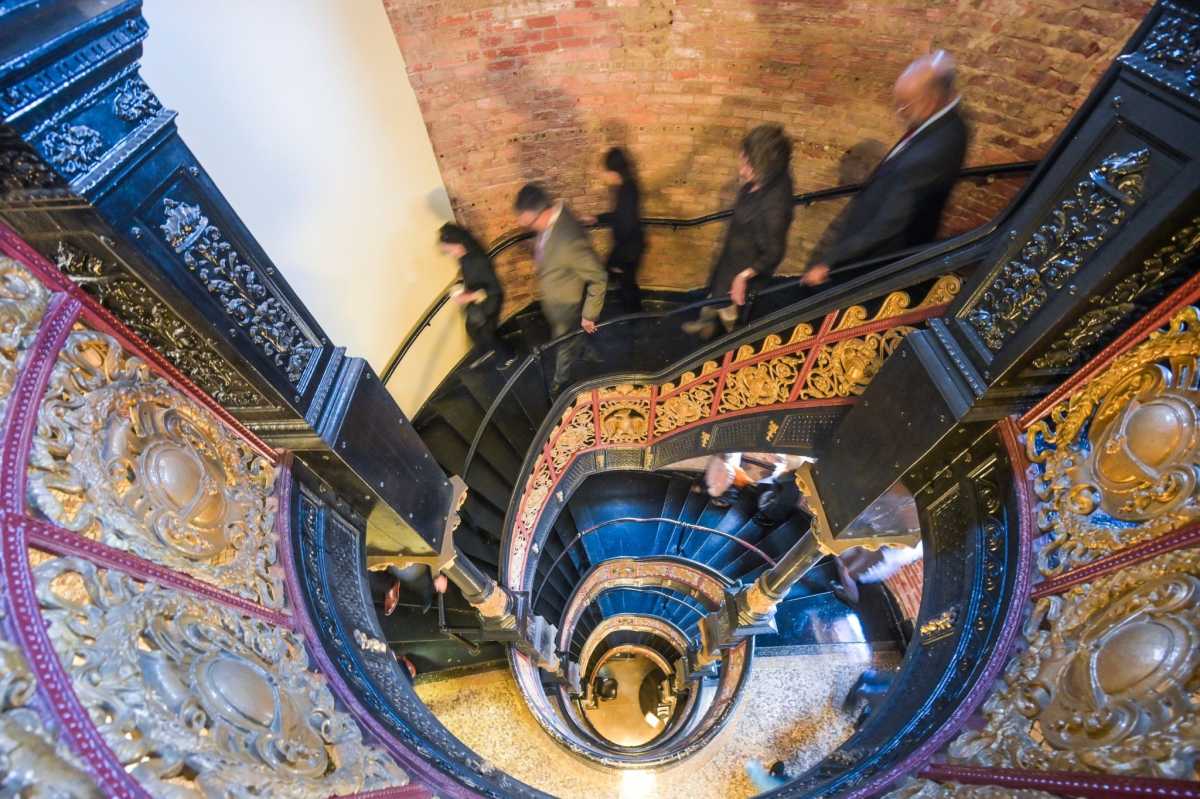
The justice center, located in a 19th Century courthouse on East 121st Street and listed on the National Register of Historic Places, operated as a partnership between the court system and the Center for Justice Innovation. When it opened in 2001 it heard family, housing and small claims cases, and also included a reentry program to support people who were formerly incarcerated return to the community.
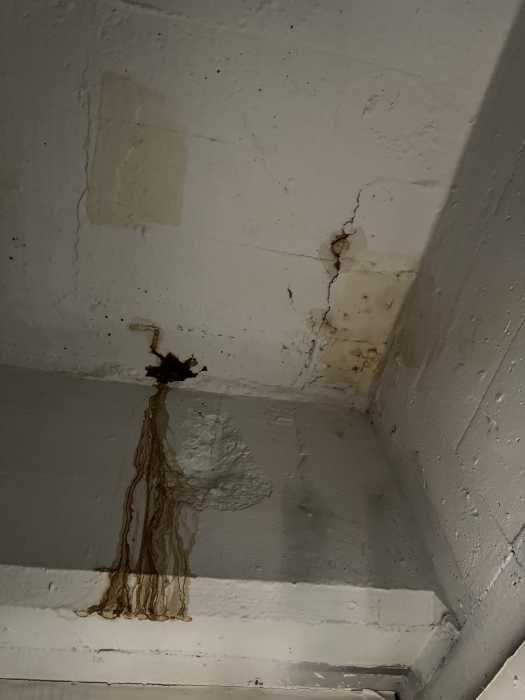
The programming ended during Covid; and the space was never fully opened up because deteriorating conditions rendered most of it unusable. Currently CJI operates a housing resources office out of a small part of the building.
The advisory group is being led by Rolando Acosta, the retired presiding justice of the Appellate Division, First Department who oversaw the creation of the community court in the early 2000s, and Justice Ta-Tanisha James, of the New York County Supreme Court and Appellate Term.
The group recently began the task of envisioning what services the reopened court will have.
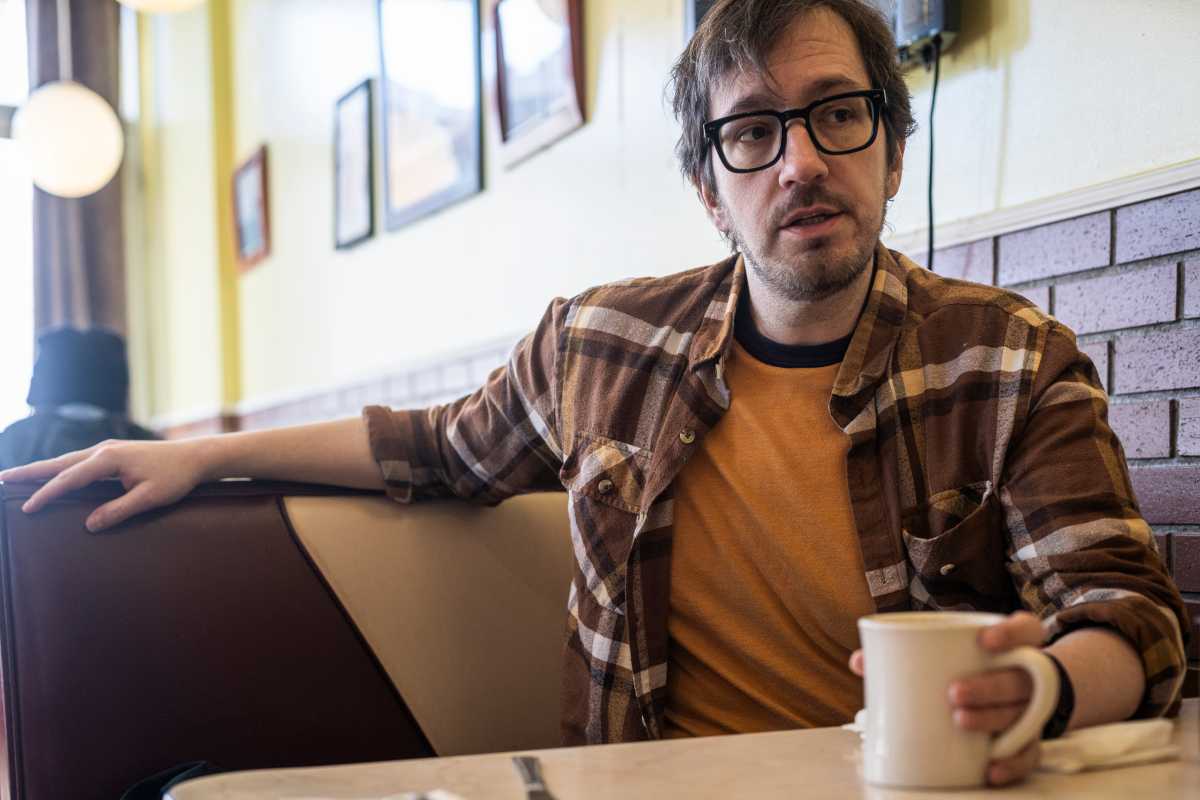
“We just had our first meeting on April 1st and the idea is we don’t want to be top heavy,” Acosta, now a partner with Pillsbury Winthrop Shaw Pittman, told amNY. “You have to set up a process where people identify… what the community needs.”
At its initial meeting, the working group toured the facility and discussed plans for the next phase of the project. Though the group will have to survey the community about how to best serve it, Acosta said he’s excited by the prospect of improving on some of the operations that he helped implement at its inception.
When he was originally doing programming for juveniles, Acosta said that it was difficult to get cooperation from a more conservative district attorney’s office, but that could change with the more reformist Manhattan District Attorney Alvin Bragg.
The process will have to go one step at a time though. Before construction begins on the interior of the building, the construction crew is going to have to fix severe leaks to the courthouse’s roof.
“Depending on what the needs in the community are, this is sort of what we’re trying to calibrate, right? You can’t get too ambitious about the services we would provide without making sure that there’s structural support, like there’s room for the services,” Acosta said.