


There are nights in New York when the city tests your resolve. The East Side was gridlocked, bumper to bumper, horns blaring like a minor symphony of impatience. Still, I pushed through, because some dinners are worth arriving slightly unraveled. Amali was one of them.
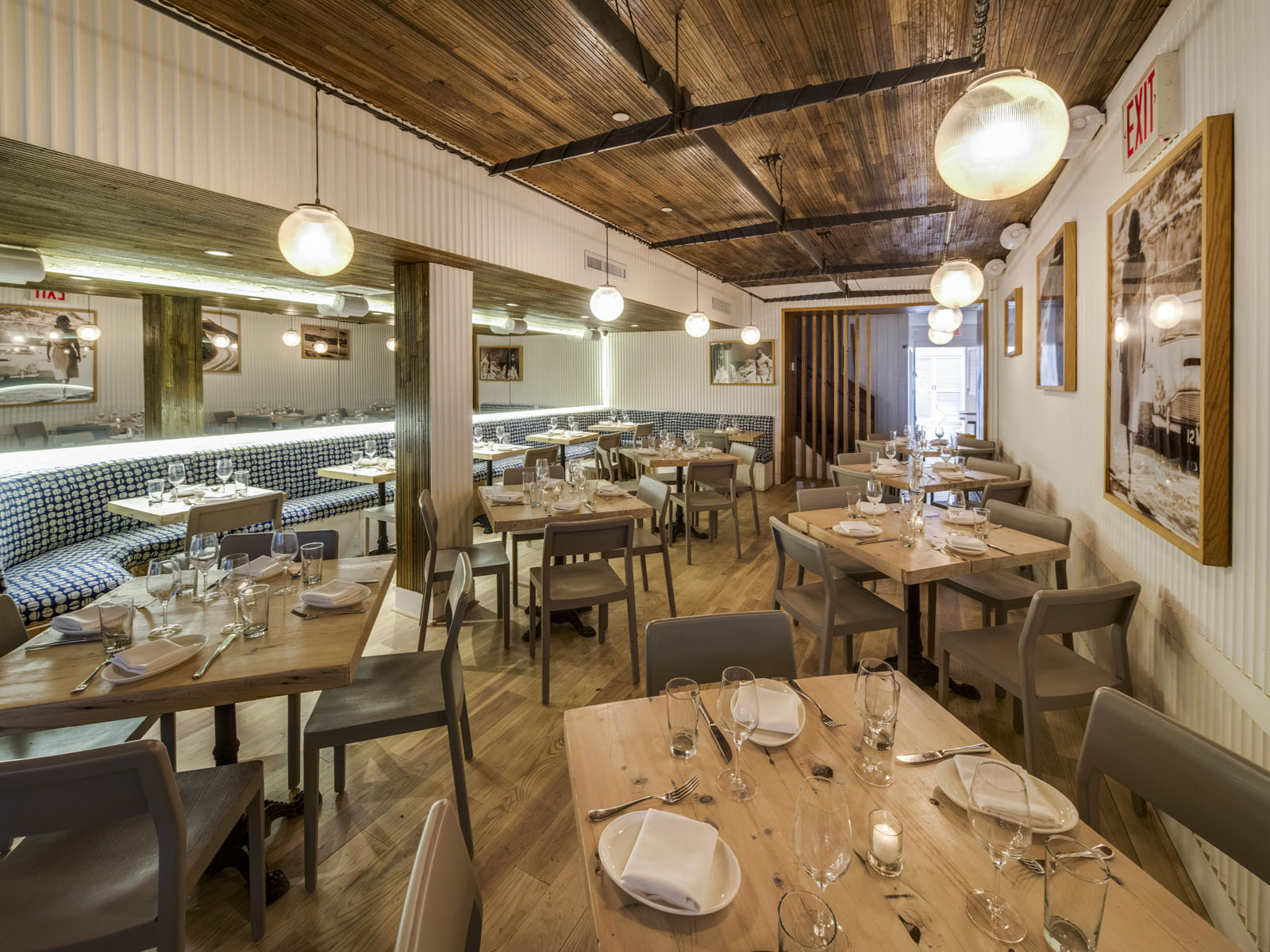
Tucked elegantly into the Upper East Side at Amali, the restaurant felt like immediate relief. Dim, sultry lighting. A packed room humming with low conversation and clinking glasses. The kind of place where coats are shrugged off slowly, where the bar glows, and where everyone looks like they knows exactly why they are there. It was buzzing in that unmistakable New York way—civilized chaos wrapped in candlelight.
Amali has been quietly anchoring Midtown since 2011, delivering Mediterranean restraint with Upper East Side polish. Inspired by Greece, Italy, France, and Spain, the menu leans seasonal and vegetable-forward, rooted in sustainability without ever announcing itself as virtuous. This is refined food for people who understand pleasure and balance in the same breath.
The cocktails arrived first, as they should. Dark, seductive, impeccably composed. Amali’s beverage program is serious without being showy, which is precisely the point. The room loosened. The night softened.
Then the food.
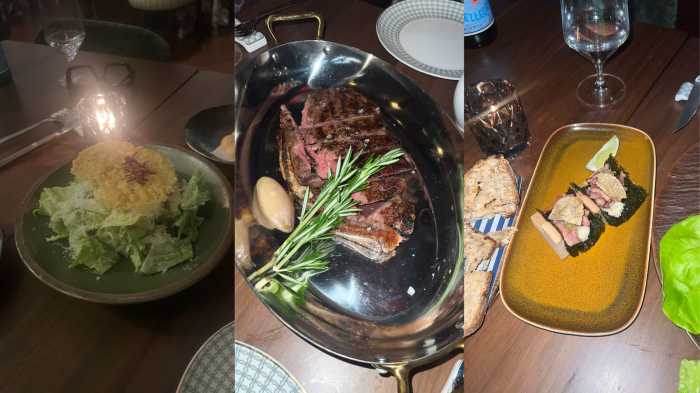
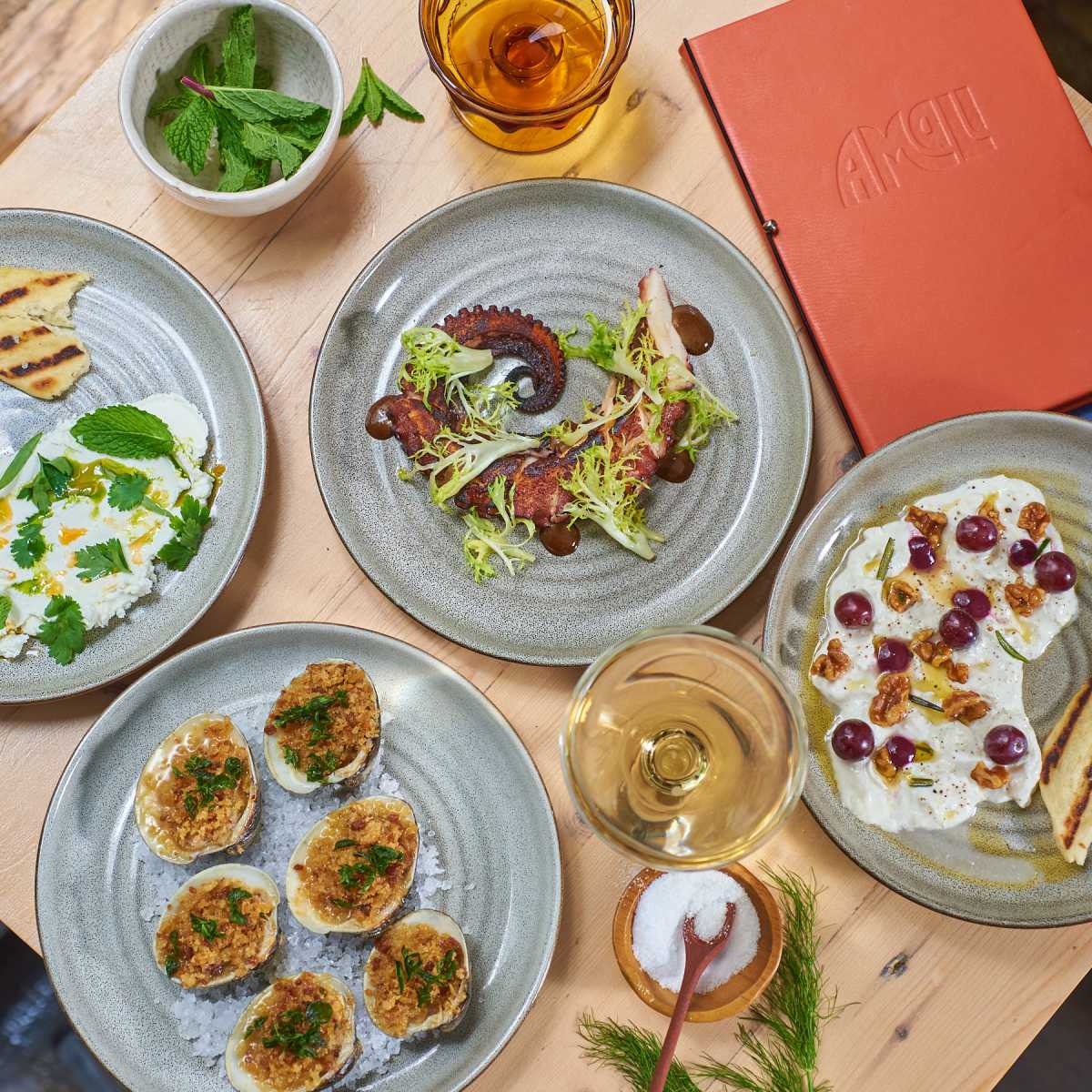
The beef carpaccio is not a dish; it is a moment. Silken, delicately sliced, and impossibly rich, it dissolves on the palate with a confidence that suggests restraint rather than excess. It is the kind of plate that silences the table for a beat. A reminder that simplicity, when done correctly, is devastating.
The octopus salad followed, tender and perfectly prepared, balanced with brightness and texture. Nothing overworked. Nothing masked. Just clean Mediterranean flavor delivered with intention. Each bite felt thoughtful, the kind of cooking that respects ingredients rather than competing with them.
Amali’s kitchen, under the direction of Executive Chef Shannon Hibbert, carries a disciplined global intelligence. Her background—shaped by years under Tom Colicchio and George Mendes—shows up in the restraint, the balance, and the quiet confidence of the plates. The menu never shouts. It knows exactly who it is.
What makes Amali special is its ease. It is polished without being precious, romantic without being theatrical. It feels distinctly Upper East Side New York—elegant, intimate, and timeless. A place for conversations that linger, for dinners that stretch, for meeting a friend when the city feels particularly relentless and remembering why you love it anyway.
By the time I stepped back out onto 60th Street, the traffic no longer mattered. Amali had done what great New York restaurants do best: it absorbed the chaos outside and returned me to myself, glass in hand, appetite satisfied, spirit intact.
Some nights are worth the traffic. This was one of them.
Amalinyc.com