


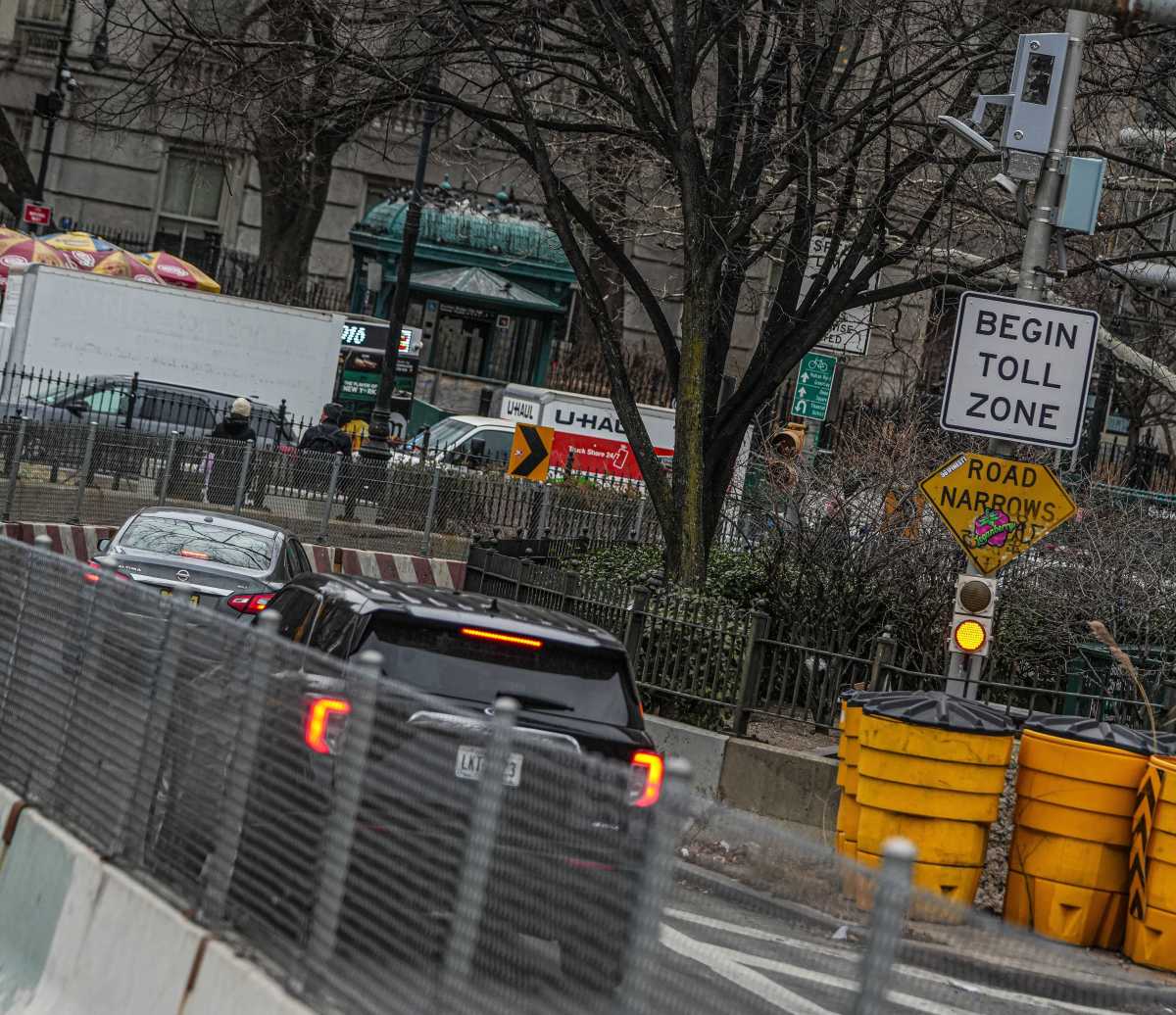
Monday marks one year since the congestion pricing cameras turned on and began charging drivers a $9 base toll to enter Manhattan below 60th Street during peak hours.
Twelve months later, state officials are touting data that shows the program is accomplishing its goal of cutting vehicle traffic in Manhattan’s Central Business District (CBD).
The MTA newly reported Monday that there were 27 million, an average of 11%, fewer vehicles entering the CBD in congestion pricing’s first year. That breaks down to roughly 73,000 fewer vehicles a day.
MTA spokesperson Joana Flores confirmed the number, first reported by the New York Times and Hell Gate, to amNewYork.
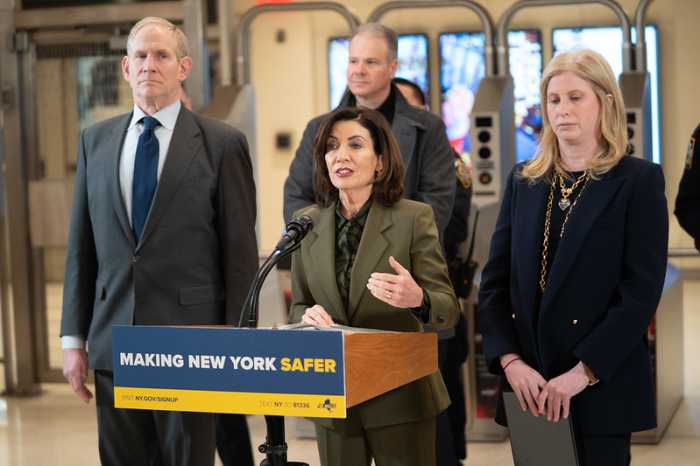
Gov. Kathy Hochul, who once paused congestion pricing for several months in 2024 before ultimately agreeing to activate it, celebrated its success during a Monday afternoon press conference alongside MTA Chair and CEO Janno Lieber and newly-minted Mayor Zohran Mamdani.
“The results are extraordinary, beyond what we could have expected,” Hochul said of congestion pricing on Monday.
“And to any naysayers out there, tell me who they are, and we’ll have a conversation. I’ll meet you at my local diner,” she added, referencing the restaurants she said drove her decision to pause the program’s start in 2024.
The governor’s office and the MTA trumpeted other metrics which, they said, show that congestion pricing is working as intended.
Those include a 4% increase in car speeds on weekdays, a 2.3% increase in bus speeds, a 22% drop in air pollution, and 17% less noise complaints to the city’s 311 hotline within the CBD.
Furthermore, the program has yeilded 23% faster vehicle speeds on crossings into Manhattan, a 6.3% increase in sales tax revenue, and two times more private sector job growth vs. the national average.
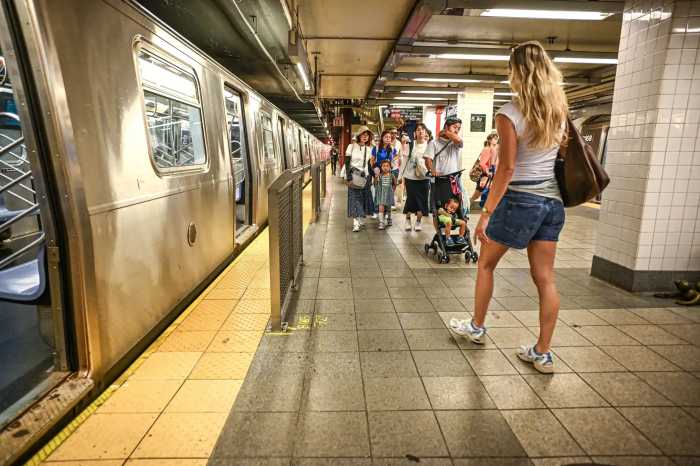
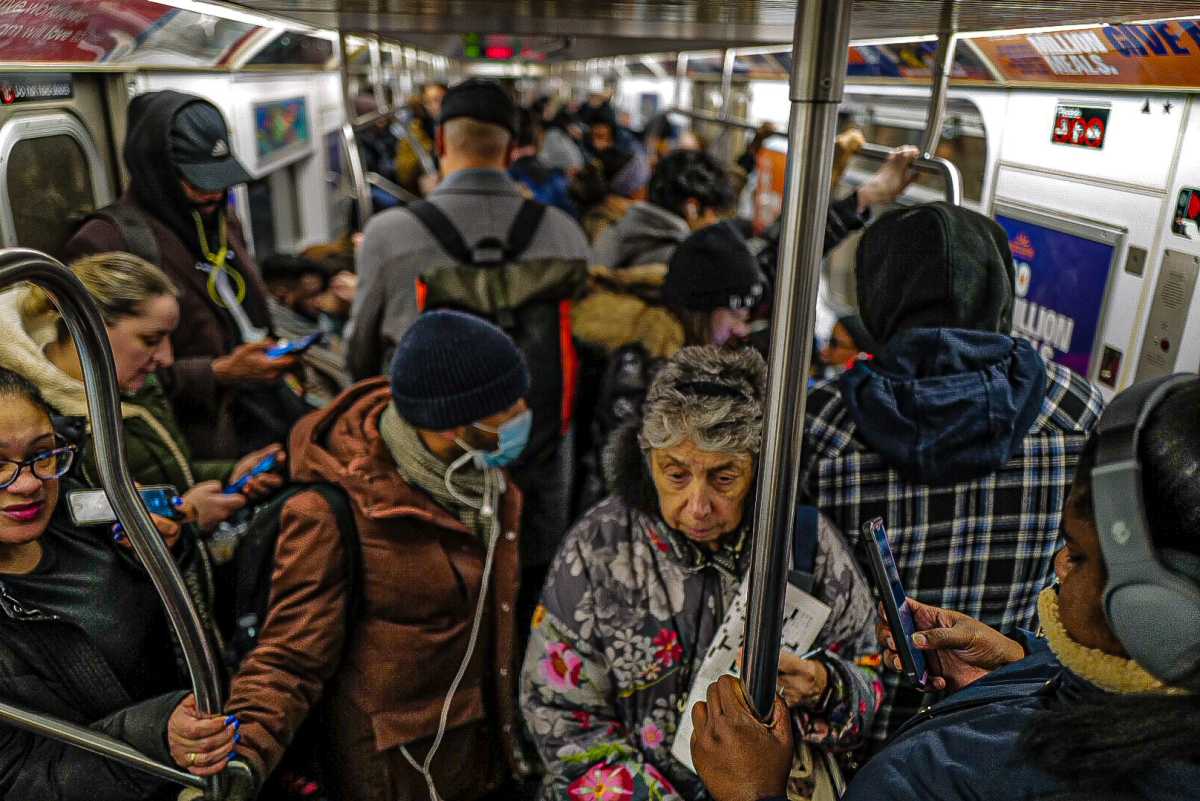
Subway ridership, in particular, also grew during congestion pricing’s first year; the MTA reported 1.3 billion trips in the system in 2025, up roughly 7% from 2024, representing about 85% of the pre-pandemic ridership high.
State officials have also reported that congestion pricing is generating the hundreds of millions of dollars in revenue needed for the MTA to secure $15 billion in bonds to fund a slew of capital improvements across its aging transit system. The program is projected to bring in over the $500 million that state officials had predicted it would over the past year.
The MTA board approved $1.75 billion in contracts for several congestion pricing-funded projects during its December board meeting. Those include signal modernization on the A/C lines in Brooklyn and Queens and new elevator installations at five subway stations.
Opposition to congestion pricing continues, though blunted by data
At the time that the program launched last year, it faced a barrage of backlash from President Trump’s incoming administration, local Republican lawmakers, and then-New Jersey Gov. Phil Murphy.
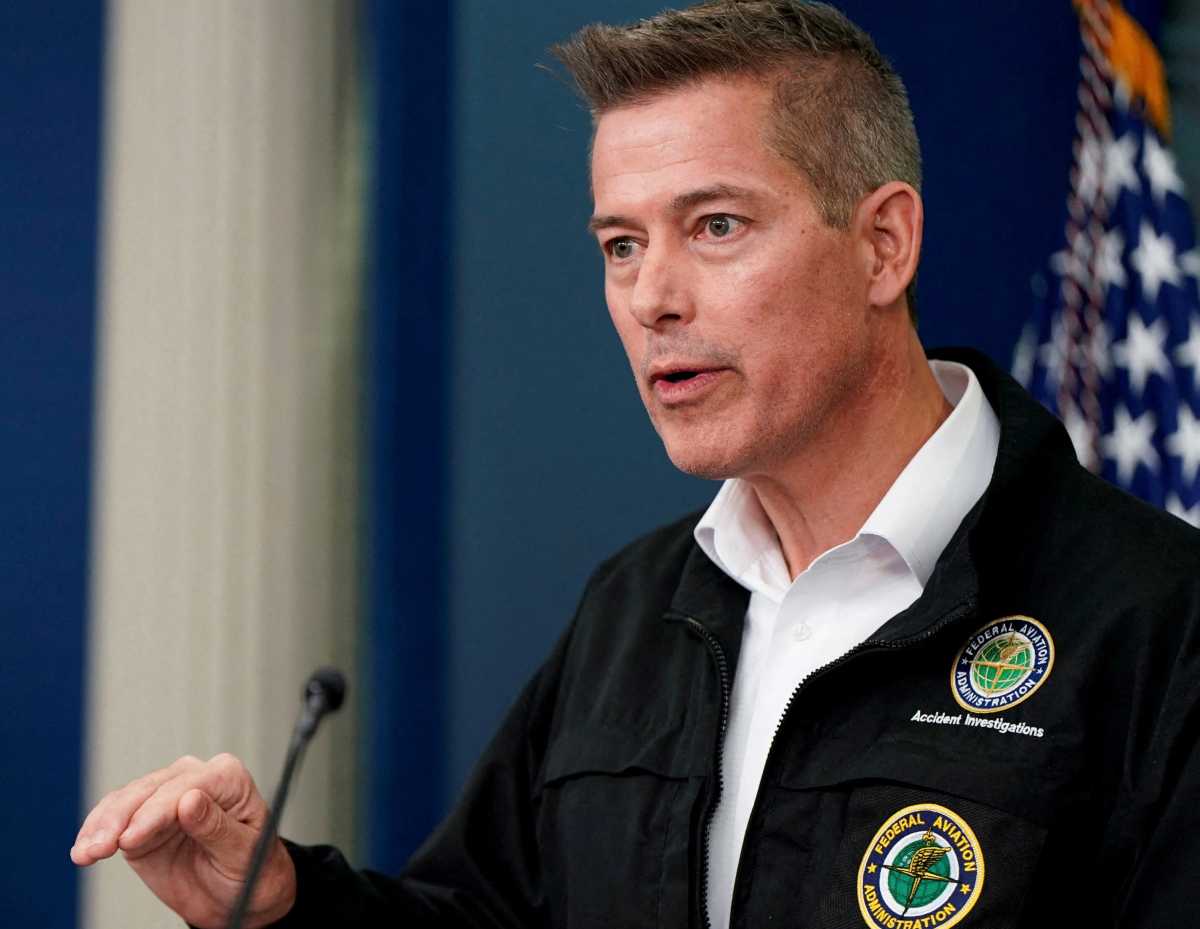
Trump’s Department of Transportation, led by former “The Real World” star Sean Duffy, has ordered the state to kill the program several times over the past year, to no avail. When Duffy initially sent a letter to the state last February demanding it end the program, the MTA sued in federal court to block the move.
Federal District Judge Lewis Liman will hear oral arguments in the pending case later this month.
Opponents of congestion pricing long contended that the toll would discourage many from entering Manhattan’s Central Business District (CBD) altogether, devastating local businesses and Broadway, while adding another burden on working-class New Yorkers already financially strapped by soaring costs.
However, state officials believe they have deflated those arguments with data showing that congestion pricing has helped, rather than hurt, the local economy.
For instance, the NYC Economic Development Corporation (EDC) reported in November that there were 16 million more visits to the CBD than in the previous year. Through last August, leisure trips into the zone increased by 2.8%, while work visits rose by 1.3%, compared to the previous year.
The transportation advocacy group, Transportation Alternatives, lauded the program’s success in a Monday statement.
“Today is a major milestone for New York City. One year ago, New York launched the first-in-the-nation congestion pricing program on Manhattan’s traffic-clogged streets,” said Ben Furnas, the group’s executive director.
“This bold plan had its naysayers, but they were all proven wrong,” he added. “A year later, congestion pricing has brought safer streets, cleaner air, faster buses, more foot traffic and business, quieter streets, and billions in funding for public transportation. What was once an audacious dream is now proof of concept that bold choices rooted in the examples of other global cities can be rewarded.”