


MTA Chair and CEO Janno Lieber insisted on Thursday that New York City straphangers are not “guinea pigs” in the agency’s testing of modern subway fare gates, amid reports that some riders have been injured while traversing the new barriers.
Lieber, during an unrelated Feb. 12 press conference, fiercely defended the MTA’s pilot program, which is currently assessing several different portals across 13 stations. The program is examining models from three different companies and will ultimately expand to 20 stations this year.
The MTA chair, in response to a NY1 reporter’s question about riders getting injured by the gates, noted the barriers being piloted have already been tested in “many, many other systems around the world.” The reporter was specifically asking about a rider she said was injured by the fare gate being tested at 23rd St on the 6 line — designed by the Korean technology company STraffic.
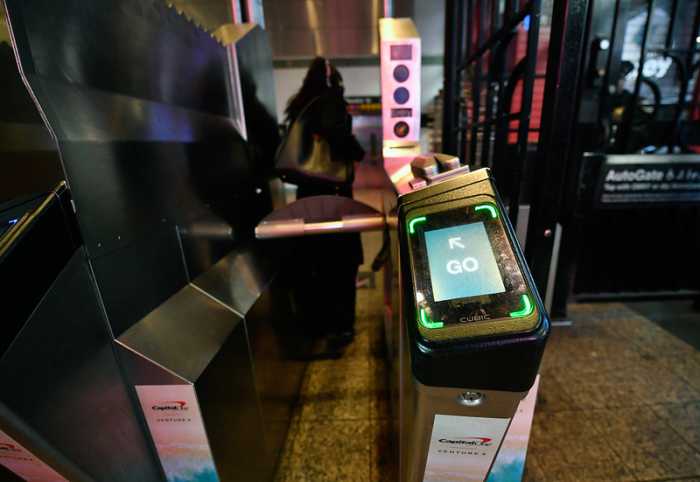
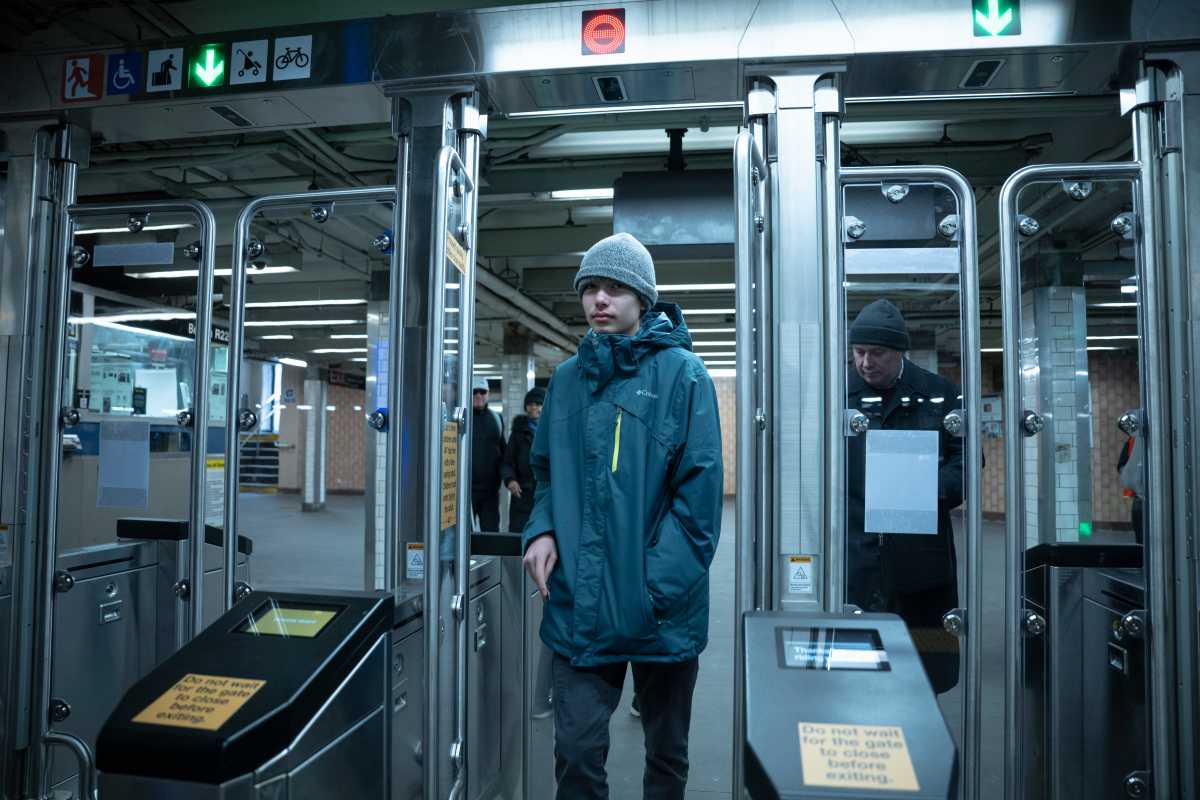
The gates use saloon-style glass doors with metal frames that swing open when riders pay their fare, remain agape for a few seconds, and then swing shut once they have gone through. All of the models are designed to better guard against fare evasion, as they are supposed to be harder to jump over or slide under and are equipped with sensors and alarms that go off when riders pass through without paying.
According to the NY1 reporter, the rider opined that the MTA was treating fellow straphangers like guinea pigs in the pilot program — a remark with which Lieber took umbrage.
“The idea that the riders are guinea pigs, that’s not fair,” Lieber said in fiercely pushing back on the suggestion.

The latest instances of the fare gates reportedly injuring straphangers come after several viral videos of riders having their limbs or belongings caught in the fare gates have circulated on social media.
The most widely publicized incident involved a 5-year-old girl, who landed in the hospital early last month after her head got trapped by the gates being tested at Broadway-Lafayette Street Station. Those gates were designed by the company Conduent.
Lieber said the MTA is learning from the pilot and “making adjustments” to the fare gates it is testing as the program has gone on.
“We’re making adjustments to how the censors activate the gates,” he said. “How quickly they close, how much they close. Some of those adjustments have already been made.”
Furthermore, the transit boss said the number of mishaps involving the gates, which he called “incidents,” has dropped significantly since the pilot kicked off late last year.
“We’re still learning and we’re still making adjustments,” Lieber said.
MTA officials also defended their efforts to notify and educate riders about how to use the new gates.
Shanifah Rieara, the MTA’s chief customer officer, said her team is filming videos explaining to riders how best to move through the gates. She added that the agency is also looking to update signage around the egresses.
“Well over one million people, customers, have already used these gates,” she said. “And that is something that…we’re looking at, during this pilot phase, how to improve customer messaging and instructions.”
Once the pilot, which is being paid for by the three private companies that designed the gates, is complete, the MTA will choose one of the three models it is testing and install them throughout the system. The agency allocated $1.1 billion in its latest capital plan to place the gates at 150 stations by 2029.