

On February 22, New York City’s amended Earned Safe and Sick Time Act (ESSTA) went into effect — and the timing could not have been more fitting. We had just come through a week of snow advisories, school closures, and travel bans. Employers across the five boroughs were scrambling to figure out what they owed their workers. The short answer: more than they may have realized.
What changed on February 22
ESSTA now requires employers of all sizes to provide an additional 32 hours of unpaid safe and sick time each year, on top of whatever paid leave is already required. That additional unpaid time is available immediately upon hire — it does not need to be accrued. And at the start of each new calendar year, those 32 hours reset.
Snow and the city
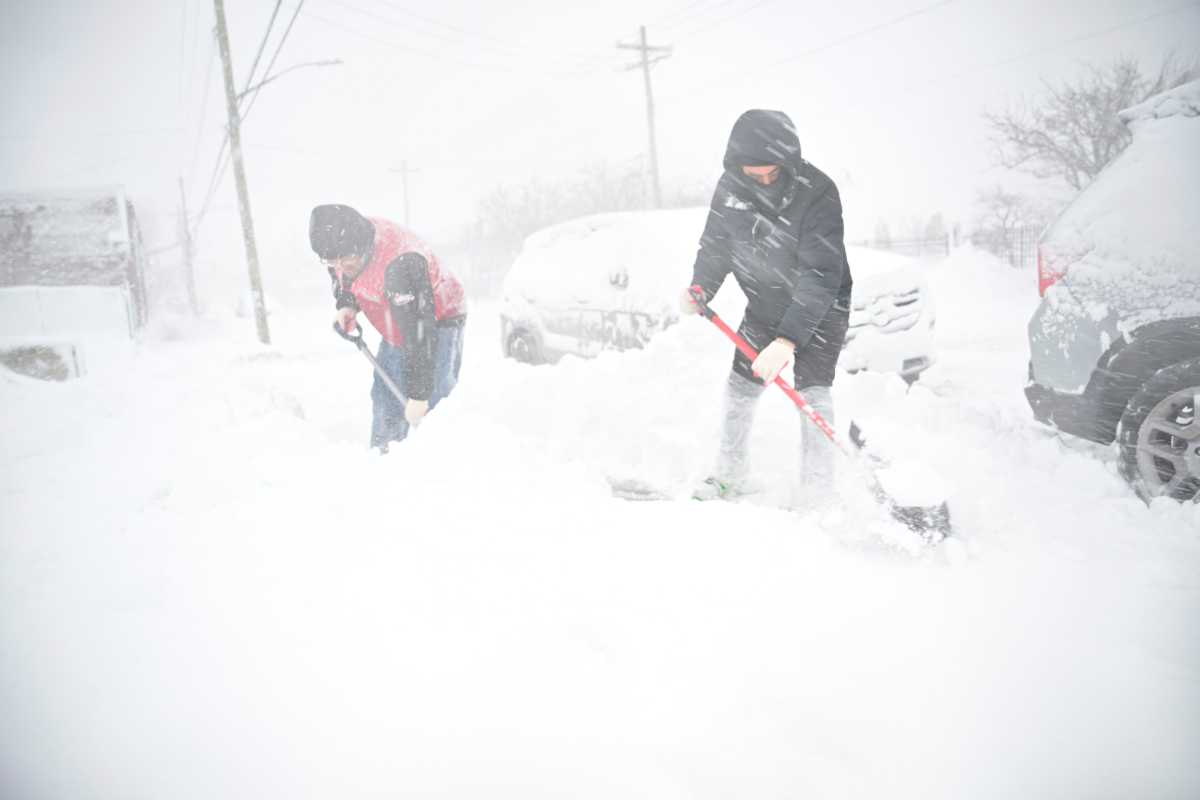
Here is the part that got a lot of attention during last month’s winter storms: employees can now use this time when a public official directs them not to travel, or when their workplace — or their child’s school or childcare provider — closes due to a public disaster. That includes severe weather events like snowstorms or hurricanes, as long as a state of emergency has been declared by the president, governor or mayor.
And before you ask: no, being an “essential” worker does not eliminate the right. An employee who is required to report during a declared emergency is still be entitled to use leave.
Expanded uses for leave
Other categories of reasons employees can now use safe and sick time include:
- Care for a minor child or a designated “care recipient”
- When a public official directs them to stay home or mandates evacuation
- Legal or social services related to workplace violence
- Legal proceedings connected to housing or subsistence benefits
A note on exempt vs. non-exempt employees
This is one of those areas where the federal and local rules interact in ways that can trip employers up. Under the Fair Labor Standards Act (FLSA), exempt employees must be paid for the full workweek if they work any part of it, even if your business closes due to weather. That is a federal obligation that exists independent of ESSTA.
For non-exempt employees, they are generally only paid for hours worked — which means that if the business is closed and they cannot work, accrued safe and sick time becomes the mechanism by which they can get paid for that time. Importantly: you cannot force an employee to use their leave time. If the business is closed and they prefer not to use it, that is their call.
Enforcement is not hypothetical
The Department of Consumer and Worker Protection has ramped up its enforcement presence under the current administration, and ESSTA has been a focus area. Penalties for non-compliance can include back pay, civil penalties, and attorneys’ fees. Perhaps more importantly, low usage rates — meaning employees are barely or never using their safe and sick time — are being treated as a signal that something is wrong. If your records show that employees are almost never using leave, be prepared to explain why.
The February 22 effective date has passed. If you have not already updated your policies and issued the new Notice of Employee Rights, the time to do it is now.
Watch Albany, too
While the city’s amended ESSTA is already in effect, the state legislature is actively working through its own worker protection agenda. The proposed Empire Act would allow private parties — including employees and labor organizations — to file public enforcement lawsuits for wage theft on behalf of the state Department of Labor, backed by a $103 million annual enforcement fund. And the “Trapped at Work” law will significantly curtail the use of employment promissory notes and training repayment agreements.
Worker protections in New York are expanding, enforcement is intensifying, and the consequences of getting it wrong are growing. The compliance requirements are straightforward, but they need to actually happen:
Update your handbooks and policies. Your written leave policy needs to reflect the additional 32 hours of unpaid time and the expanded usage categories.
Issue updated Notices of Employee Rights. ESSTA requires employers to provide the updated notice to all employees in their primary language.
Review your timekeeping and tracking systems. The 32 hours of unpaid time must be available immediately and tracked separately from accrued paid time. Your payroll or HR system needs to be set up to handle this correctly.
Train your managers. Front-line supervisors need to know that a declared weather emergency may trigger employee leave rights — and that denying or discouraging the use of protected time is a compliance violation.
Revisit any training repayment clauses in your employment contracts.
And watch Albany — the April 1 budget deadline will tell us a lot about what the rest of 2026 looks like for New York employers.
Rachel Demarest Gold is a partner with Abrams Fensterman and is director of the firm’s labor and employment practice.