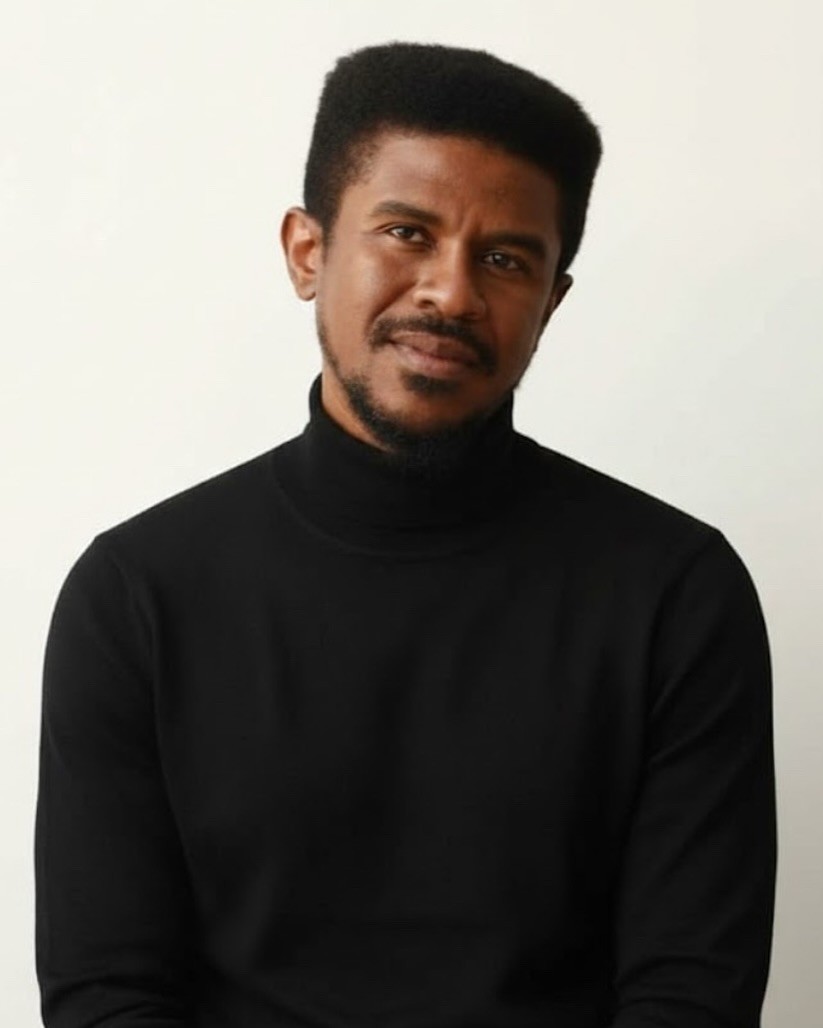


Actress Iantha Richardson reaches a major career milestone this month, stepping behind the camera for her directorial debut on ABC’s “Will Trent,” a full-circle moment years in the making.
The beloved actress, known for her warm and intuitive portrayal of Faith Mitchell, makes her directorial debut this month with an episode in the show’s fourth season, a milestone that started with scribbling on a tiny, square piece of paper.
Back in 2020, Richardson jotted a goal onto a Post-it note and stuck it to her mirror: direct an episode of network television. At the time, she didn’t fully grasp what that meant, only that she was putting her intention into the universe. Six years later, that vision has become reality.
amNewYork caught up with Richardson as she continued to expand her creative footprint, bringing her lived experience and distinct storytelling voice behind the camera.
“In 2020, I had a new set of goals in life, and one of them literally said, ‘Direct an episode of network TV,’” Richardson shared. “I didn’t even clock that I meant network television. But when I look back at that note now, I’m just in awe. Thank you, God. It’s a full circle gift. And the fact that it happened at all still blows my mind.”

ABC’s continued support of artist-driven storytelling made Richardson’s debut possible and meaningful. She credits the “Will Trent” showrunners for fostering that growth by “shepherding the cast and crew into the next phases of their lives.” With “Will Trent’s” newest season airing, her transition into directing marks not only a pivotal moment in her career but also a larger step forward for women, particularly women of color, in television directing.
“Personally, it meant that I got to tell a story through a lens that is only mine,” Richardson said. “From a perspective only I can offer, especially in an environment that doesn’t always look like me, even when it’s incredibly supportive. That made it special. It’s a voice that isn’t always visible, but it’s deeply honored here. And I’m excited to go even deeper as a storyteller.”
Based in Atlanta, Richardson’s artistic journey began early. Dance became her first creative outlet, especially after the death of her father when she was very young.
“I tried everything, softball, cheerleading, track, piano, but I always came back to dance,” she said. “When I lost my dad, dance became the place where I could release grief, I didn’t even have words for. I was anti-therapy at 10 years old, but in those classes, in performances, I was emoting and healing without realizing it.”
She credits her mother for recognizing that need and encouraging her creative pursuits.
“Expression saved me, on top of having a great parent. My mom saw where I was gravitating and trusted that.”
Though dance dominated her early years, acting found Richardson by happenstance. After moving to Los Angeles, she joined a roommate in an acting class and stayed when they dropped out.
“I realized I loved the work. I didn’t care about money, I just wanted to do it,” she said. “Looking back, I think I was always acting. I used to listen to Michael Jackson’s music and act out the stories alone in my room. That was probably the beginning.”
That love of storytelling now fuels her role as both an actor and director.
“My life’s mission is to tell stories that allow younger generations to be who they are, to live non-monolithically,” Richardson said. “Another way to do that is by controlling the narrative.”
After shadowing directors on American Soul, Richardson funded her own short film with help from family, a turning point that confirmed directing was more than a curiosity.
“I realized I loved the gritty work. I wanted to get better. I wanted to grow,” she said confidently.

Looking ahead, Richardson hopes her journey serves as proof that life doesn’t have to follow one straight line.
“People say, ‘How did you pivot?’ But your life doesn’t have to look one way,” she said. “You can embrace where God leads you. If something big and audacious is put on your heart, that’s a note to follow it. Do it because that’s big magic.”
As an actress, she remains committed to portraying complex, deeply human characters, especially ones that challenge expectations placed on Black women.
“Emotion is universal,” Richardson said. “Grief is grief. Joy is joy. If I can humanize someone the world looks down on and create empathy, then I’ve done my job.”
Richardson hopes her story, every winding and arduous turn through the entertainment industry, serves as proof that if she can do it, others can too.
“From a personal perspective, when people look at me and see that I’ve done this, I want them to know they can do it too,” she said.
As a storyteller, Richardson says her growth has been both expansive and grounding.
“I feel like I’ve evolved so much because I have an arsenal of information now. I started off very green, just trying to understand everything. Now, I’m really trying to give more. I feel more solidified in what I have to offer,” she explained. “I’m more vocal than I was when I started, clearer, while still holding onto graciousness and humility. That’s never going to leave me.”
That confidence, she says, continues to grow alongside her life experiences.
“I know now that what I have to say matters. And what excites me about the future is that this only expands because my life will expand. I’m going to do more, see more, become more, and I’ll have even more to offer the world.”
“Will Trent,” including the episode directed by Richardson, airs Tuesdays at 8 p.m. EST on ABC.