


Under pressure from a recent executive order of Mayor Zohran Mamdani, the Department of Correction said in a City Council hearing Thursday that it would reverse course and fully review its compliance with sanctuary city laws.
In September, the city issued a report with findings that correction officers had violated the city’s sanctuary city laws by providing information on incarcerated people to Immigration and Customs Enforcement agents. In response, the agency had declined a recommendation to undertake a full audit on the matter, pushing back that it would not be practical.
In the hearing Thursday, correction officials walked back that position in response to Mayoral Executive Order 13, which compels an audit of all public safety agency’s compliance with sanctuary laws, which limit how municipal employees can share information with federal immigration authorities.
James Conroy, general counsel to the DOC, said that while the agency had only “partially accepted” the recommendation of the audit at the time of the report’s publication in September, since then it has already started the process of the audit.
“The issue with that specific recommendation was not that we were unwilling. It really comes down to practicality,” said Conroy. “I would hope that we would come into compliance with that.”
The recommendation came as part of a September report from the city’s Department of Investigation stating that in February 2025, a DOC investigator working with the Homeland Security Investigations Violent Gang Task Force coordinated with ICE about where to find a person who was being released from city custody.
It also found a second incident where the same investigator also broke the law around communicating with ICE.
The report found that in both instances, the investigator broke the law unwittingly. He was not aware that the information was going to be used by ICE in a civil immigration proceeding, and not in a federal criminal investigation, which would have been consistent with local law, according to the report.
Conroy said that the issue happened as a result of “lack of training” and insisted that it has accepted the “core recommendations” of the report in regard to better educating its officers about complying with sanctuary city laws.
“What really happened there was what DOI classified as an inadvertent coordination,” Conroy said. “That’s what primarily we need to correct.”
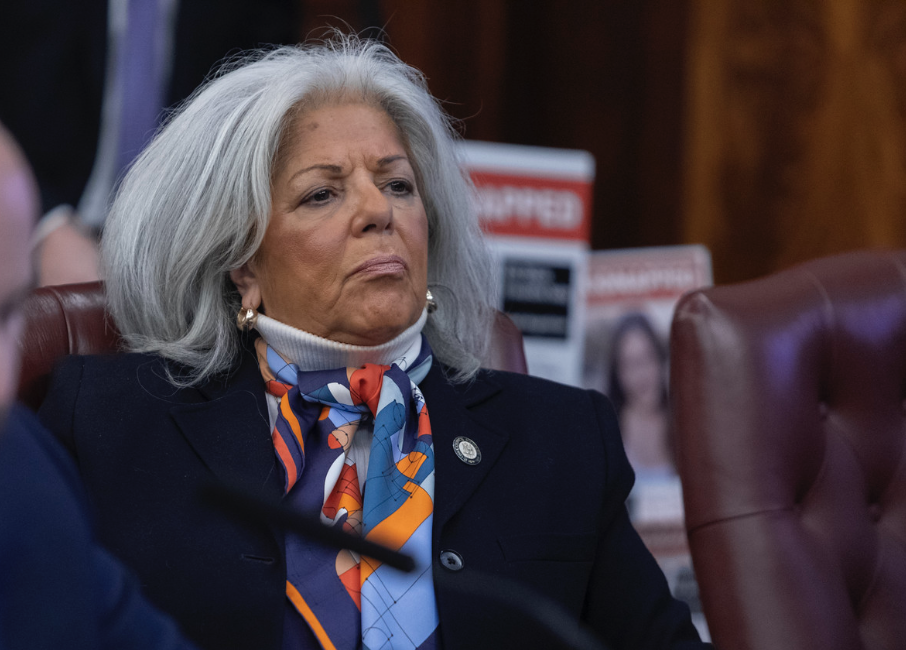
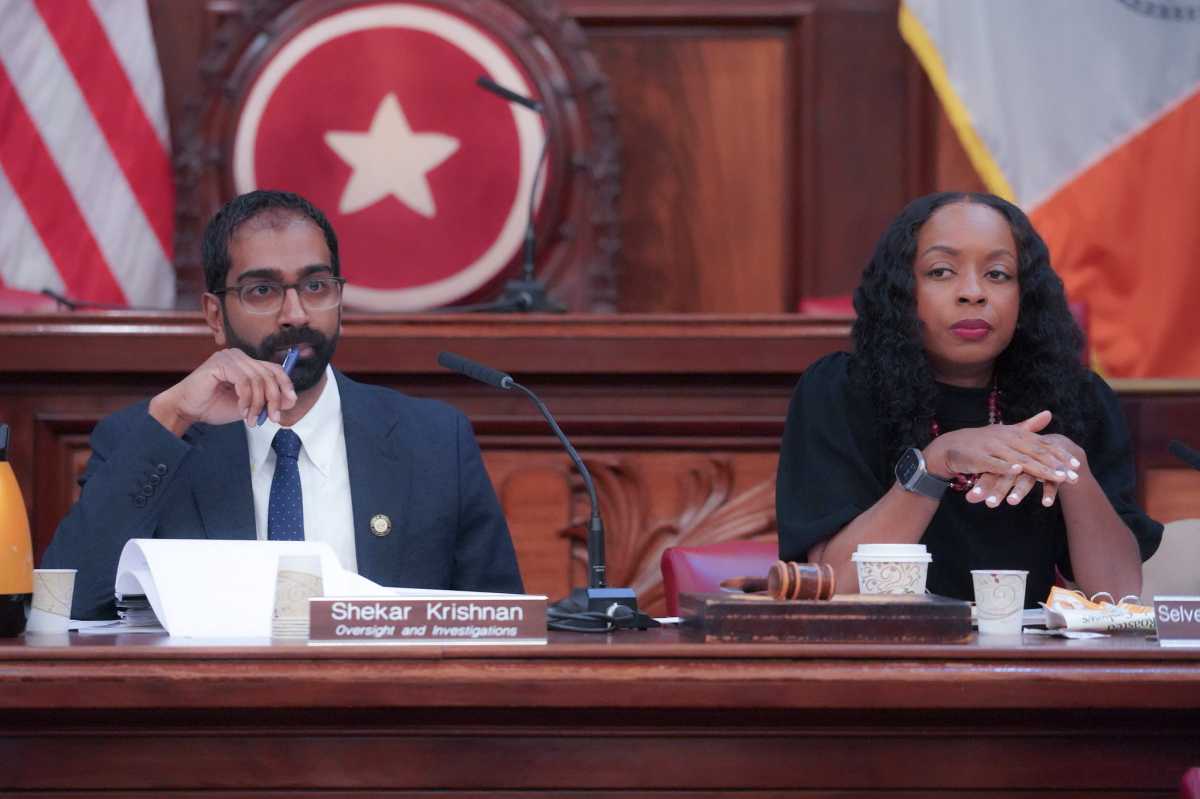
Before the hearing, Council Member Shekar Krishnan, chair of the oversight committee, said that he wanted to know how much more pervasive this type of coordination is within the agency.
DOI’s Acting Commissioner Christopher Ryan said the report was limited in scope but speculated “there are very likely other incidents that likely the agencies don’t even know about.”
Conroy said in response to the report, the agency’s legal division has conducted in-person training for “relevant units that are most likely to have contact with” federal immigration enforcement.
Public defenders testified in the hearing that said in addition to illegal communication with ICE, they routinely see corrections officers doing things that go against the spirit of the sanctuary city laws like the “slow walking” detainees out of custody when ICE is present.
“They asked us to just believe them that they’re going to follow the law and the council has kind of continued to do so, and yet again and again, we find violations,” said Rosa Cohen-Cruz, the director of immigration policy at the Bronx Defenders.