


The state legislature’s top question of a new pilot program to create five mental health divisions in New York City’s borough-based family courts: how soon could such a program be implemented upstate?
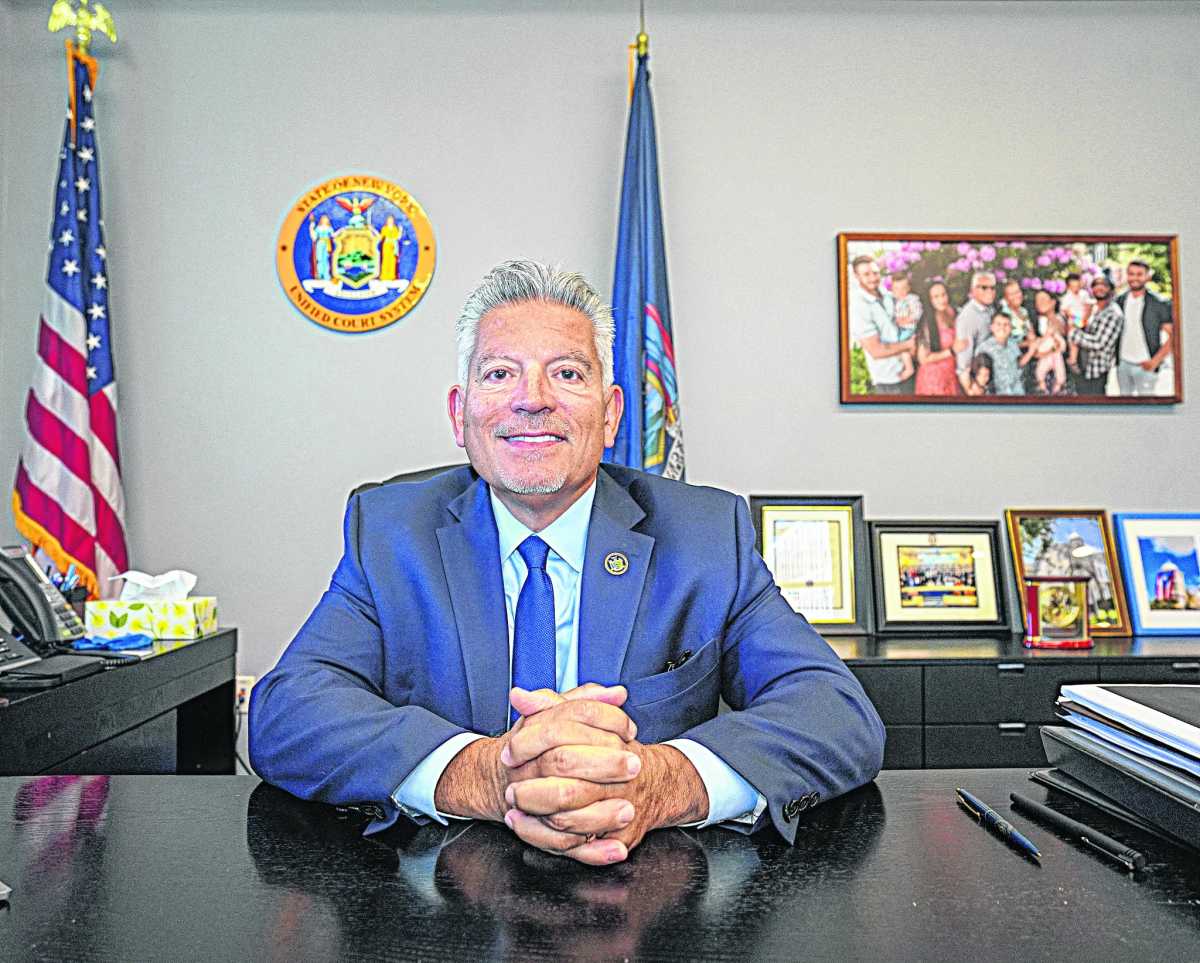
Chief Administrative Judge Joseph Zayas testified about the court system’s budget request during the Legislature’s joint hearing on public protection on Thursday, in which he fielded questions over case backlogs in Big Apple courts, staffing and new initiatives.
The judiciary is making a $3.2 billion request, a roughly $200 million increase from the current fiscal year. A quarter of the new funds would support initiatives like the mental health pilot program.
“I can assure you that the state is getting a significant return on its increased investment in the courts,” Zayas told lawmakers. “Of the employees who have joined our ranks in the past two years, nearly 100 work as project directors, case managers and resource coordinators in our innovative problem-solving courts, amounting to a 30% increase in programmatic staff, which has allowed us to reduce caseloads in some of our busiest courts, particularly in New York City.”
Zayas, who ran a drug treatment court in Queens early in his judicial tenure, said his experience bolstered the need for a mental health court for juveniles and families. In drug treatment court, many defendants who had serious mental illnesses were rejected from the drug treatment program because of those issues, he said.
“With young people, the idea is to help them to see whatever social workers, therapists that they might need to see, and get them into a position, where the goal ultimately is to divert them from detention,” he said.
In cases of juvenile delinquency, for instance, if a young person meets the goals set by the court, their case would be likely to be dismissed rather than prosecuted. The five pilots in New York City’s family courts will cost $2.5 million, according to the court system’s budget request.
“When could you anticipate… that those specialized courts could exist in Dutchess County where I hail from?” asked Republican state Senator Rob Rolison.
Assuming the pilot works, said Zayas, “we expect to start expanding that all around the state.”
Zayas steered his testimony close to that of Chief Judge Rowan Wilson’s State of Judiciary address on Monday, focusing on the state’s family court system, which has recently come under scrutiny in recent years as being under-resourced and delayed.
Family courts are at the heart of the court system’s attempts to reduce court case backlog that Zayas said is especially pronounced in the five boroughs compared to every other part of the state.
New judgeships are a key part of this effort. Part of the judiciary’s ask for increased funding will go to adding 15 new judgeships annually, a move that was authorized last year. Family courts have recently gained 29 new judges, Zayas testified.
The court system is also on track to return to the highest pre-pandemic non-judicial staffing levels it’s had since 2009 by the end of the year, Zayas said.
He reported that one of the most positive signs in the fight against the case backlog, is the fact that every borough in New York City had more dispositions last year than it did in 2024. When there are more dispositions than new pending cases, it’s a sign that the backlog is easing, Zayas said.
“When we increase the number of judges, the judges are able to spend more time on the cases that they’re working on. And that often results in a quicker disposition of the case,” Zayas said.