


Record-Breaking Flu in New York: What Parents Need to Know Now
What You’ll Learn from This Article:
- Flu cases in New York have reached a record high
- Why vaccination still matters
- What steps to take to protect your family
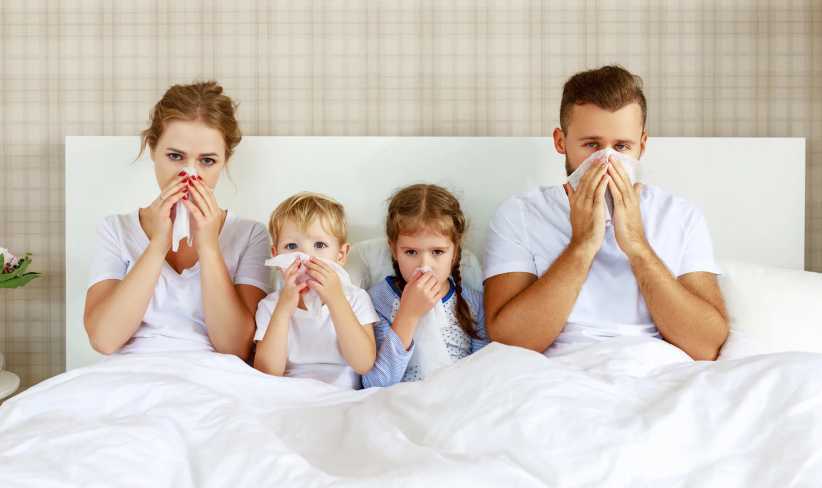
The past few weeks have been brutal in New York, with the flu hitting hard, ruining holiday plans, and leaving people wiped out for days, if not weeks. Everywhere you go in New York, there’s someone sick with it. The cold weather and snow haven’t made it any easier. If it hasn’t hit your household, consider yourself lucky.
Of course, this is nothing new, as each year, flu cases rise around this time, but this year, it has hit harder and earlier. Some are calling it the super flu. According to the New York Department of Health, New York State just reported the highest number of flu cases ever recorded in a single week, with 71,123 in the seven days ending December 20, 2025, right in time for Christmas.
Psst… Check Out Where to Find the Best Pediatric Emergency Care in NYC and Beyond
That’s a huge jump. Cases are up 38% from last week and already higher than last year’s peak. Hospitalizations are up, too. 3,666 people in New York have been admitted for flu-related illness.
The worst news is that this flu hasn’t even hit its peak yet.
“We are closely monitoring hospitalization trends and working to guide any necessary response,” says State Health Commissioner Dr. James McDonald.
Consequently, it’s more important than ever to pay attention and do daily practices to keep your family safe. McDonald says that while flu activity is high, there are simple things you can do to protect yourself and your loved ones if you haven’t come down with it yet.
Get Vaccinated Now
It’s not too late! Any over six months and older can get it at pharmacies, clinics, and doctors’ offices. At the end of the day, the vaccine remains the best defense against contracting serious illness and missing school and work days. It is also the best thing you can do to help prevent complications, which is especially important for young children, pregnant women, older adults, and anyone (kids and adults) with chronic medical conditions.
Don’t Wait to Go to the Doctor
If you or your child feels sick, go right to the doctor. Antiviral medications work, but timing is vital. Medicines like Tamiflu can shorten the flu if started within 48 hours of symptoms.
Be Vigilant and Proactive
One of the most important things you can do is to incorporate small daily practices into your family’s routine.
- Wash your hands frequently with soap and water and encourage your kids to do the same (or use sanitizer if soap isn’t available).
- Teach your kids not to touch their eyes, nose, and mouth when they are out, or without clean hands.
- Stay home when you or your kids are sick, plain and simple. This is such a no-brainer and an important step. No one should be at school or work with the flu.
- Cover coughs and sneezes, then toss tissues immediately so germs don’t linger.
- Clean and disinfect commonly touched surfaces. This is especially important in shared spaces. You don’t have to become obsessive (and shouldn’t), but a simple wipedown with an antibacterial wipe is a good practice. If anyone in your home is sick, it’s even more important.
- Keep a safe distance from people who are sick whenever possible. If there is any sign that someone is sick and going somewhere you will be, it’s worth avoiding the party or get-together. The flu is no joke, and it’s not worth chancing it.
Remember that flu season usually peaks in January, so don’t wait until school reopens and everyone is back from winter break (and spreading germs). Now is the time to get vaccinated, practice preventive measures, and keep an eye on potential symptoms.
For more details, including local flu surveillance reports, visit the New York State Department of Health’s flu website.
Quick Facts
What are the symptoms of the flu?
Flu symptoms hit fast, way faster than a typical cold. Here’s what you usually notice:
- Sudden fever or chills
- Body aches (the kind that make even lifting your head feel hard)
- Extreme fatigue or super tiredness
- Headache
- Sore throat
- Cough
- Runny nose but can also be a stuffy nose
- Sometimes vomiting or diarrhea (more common in kids)
If your child (or you) goes from feeling fine to totally wiped out in a few hours, that’s often a big flu clue. And if symptoms feel intense right out of the gate, it’s worth calling your pediatrician, especially since antiviral meds work best early.
What virus is going around that feels like the flu?
There are a few viruses that can feel just like the flu. The most common are RSV, COVID, and other common viruses, which can also cause fever, body aches, exhaustion, cough, and congestion. Symptoms overlap, so you may not know, that’s why seeing your doctor is important. They can pinpoint through tests to figure out what it actually is.
Psst… Check Out Sick Kids? 4 Comforting Activities to Keep Your Child Entertained and Calm