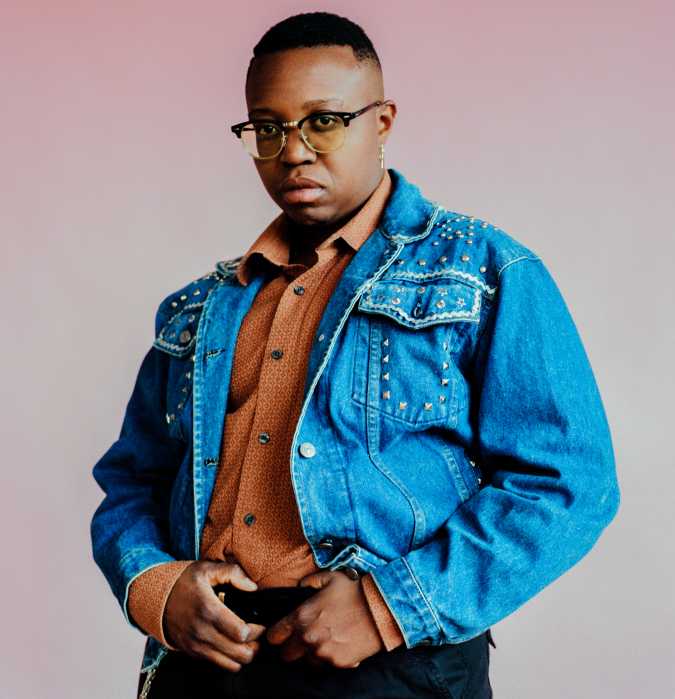



Civilization reveals its moral ledger by what it discards, and Leilah Babirye turns that ledger into a crown.
Leilah Babirye works with the abandoned skeleton of society — rubber, scrap, chains, husks, shards — and refashions it into sovereign queer mythology. Rubbish: The Queer Kingdom of Leilah Babirye is not simply a documentary but a decade-long act of witness, allegiance, and artistic revolt, charting the rise of a queer Ugandan artist-activist from persecution and exile to global cultural force.
What others call trash, she calls inheritance. What power tried to erase, she renders monumental.
The film runs on two time signatures: ten high-pressure days inside the installation storm of the Venice Biennale and ten years across underground pride gatherings, family rupture, asylum, gig work, basement studios, drag stages, and eventual international recognition. Sparks fly. Tires become braided crowns. Chains become ceremonial earrings. Nails become cosmetic armor. Each sculpture reads like a coronation for the previously condemned.
Traditional still life warned of mortality and decay. Babirye rejects that lineage outright. These figures declare survival, glamour, kinship, and continuance.
The title Rubbish cuts with precision. “Ebisiyaga,” sugarcane husk — a Luganda slur for queer people — implies residue and worthlessness. Babirye flips the insult into theology. The husk becomes halo. The thrown-away becomes throne. Her studio becomes a sovereign zone populated by queer ancestors — real and imagined — rendered as towering totems of dignity and drama.
“I’m building a queer family,” she says. The statement lands as structure, not metaphor.
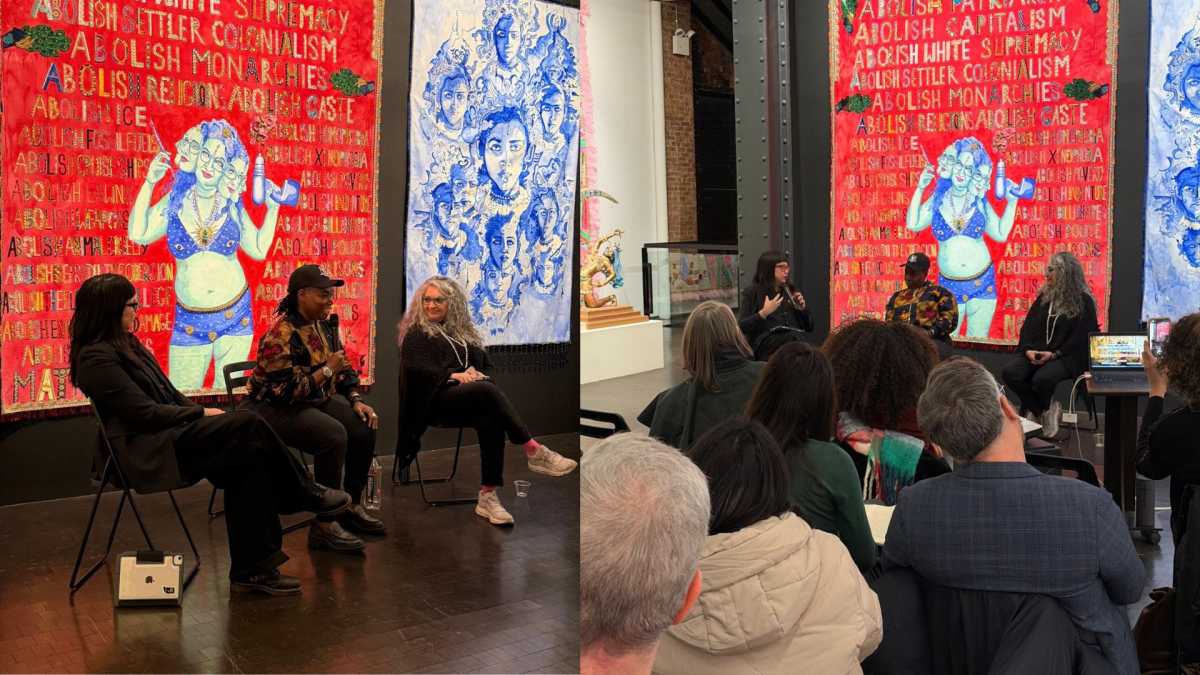
The Pen + Brush Panel — Moderated with Precision and Fire
At the panel at Pen + Brush, the conversation was sharply and powerfully moderated by artist Pyaari Azaadi. The tone was disciplined and unsentimental. The questions addressed authorship, exile, chosen kinship, political exposure, and artistic responsibility. No decorative art chatter. Structural inquiry. Cultural stakes made explicit.
Azzadi’s exhibition, Talking About a Revolution, closing February 14, stands in charged dialogue with the film’s thesis. Art here is not commentary. Art is confrontation and proposal. The work insists on being seen in person.
Director’s Statement — Creative Kinship and Cultural Resistance
The director frames the project as an act of long-built creative kinship and shared queer authorship. A decade-long friendship anchors the film’s intimacy and access. Babirye’s transformation of social discard into sacred figure becomes both artistic and personal inspiration.
The film draws strength from artist-activist lineages and decolonial visual languages, citing figures such as Yinka Shonibare and Firelei Báez, alongside activist-centered documentaries including All the Beauty and the Bloodshed and Ai Weiwei: Never Sorry. Cross-disciplinary filmmakers and documentarians working poetically under political pressure inform the film’s hybrid visual grammar.
The director emphasizes global queer solidarity in the face of intensifying anti-LGBTQ+ legislation and violence. Visibility becomes strategy. Beauty becomes resistance. Imagination becomes infrastructure.
Babirye’s declaration captures the spirit: No turning back. We fight with all we have.
Why This Film Lands with Urgency Now
This documentary refuses abstraction. It shows labor, danger, improvisation, rebuilding, and triumph. From Kampala to New York to Venice, we watch an artist refuse erasure in real time and construct a sovereign visual language for the queer diaspora.
Babirye stands not as victim, but as architect. Her sculptures rise to monumental scale because the truths they carry cannot be made small. They are devotional, theatrical, defiant, and tender at once. Liberation here is not discovered. Liberation is fabricated.
Call to Action
Experience Rubbish: The Queer Kingdom of Leilah Babirye, follow screenings, and engage with the film’s mission here:
https://www.leilahbabiryefilm.com
Visit Pen + Brush to see current exhibitions and programming, including Talking About a Revolution before it closes:
https://penandbrush.org
Show up. Bear witness. Support the artists building new kingdoms from what the world tried to throw away.