


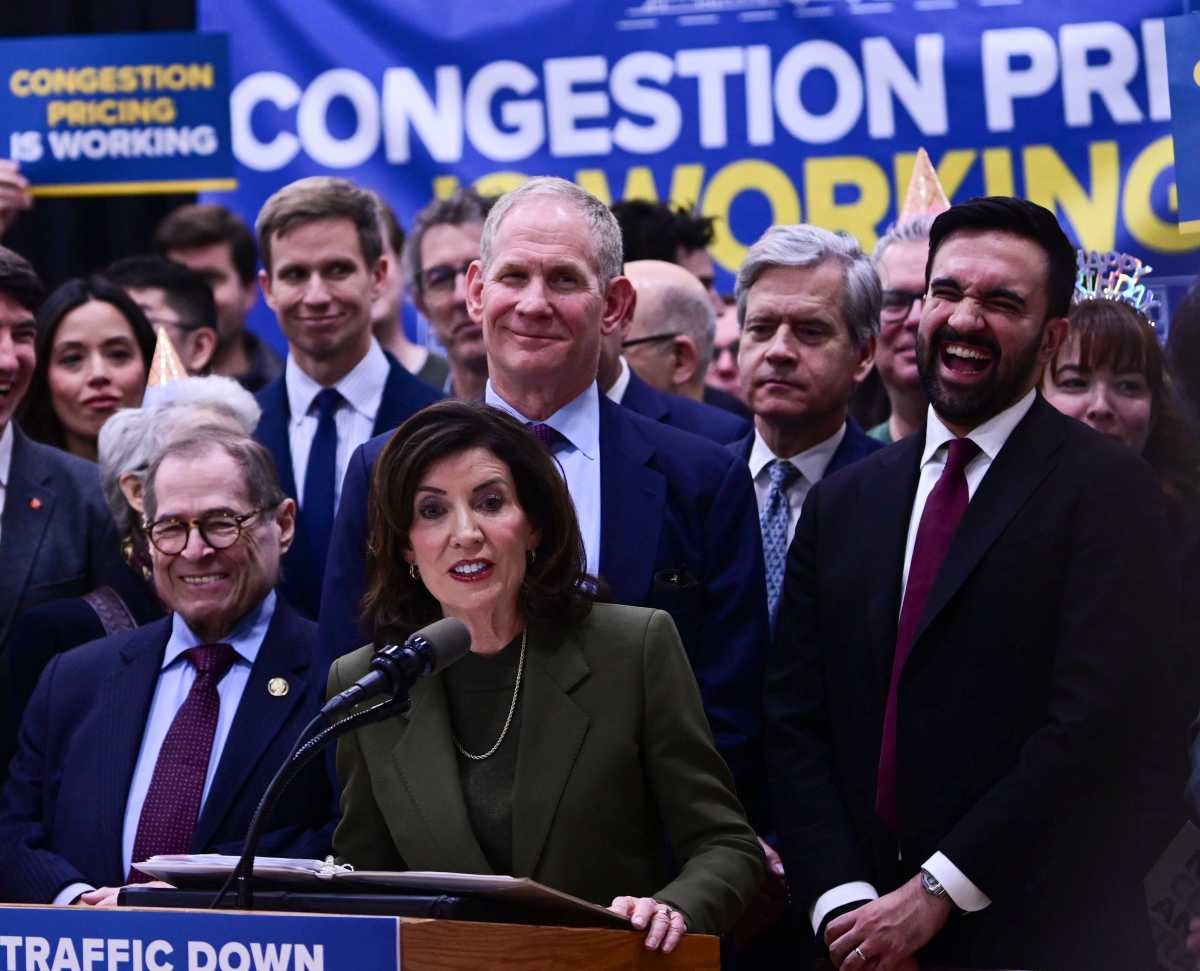
On the one-year anniversary of congestion pricing on Monday, Gov. Kathy Hochul declared that the program has yielded “extraordinary” results in reduced traffic and increased economic activity, “beyond what we could have expected.”
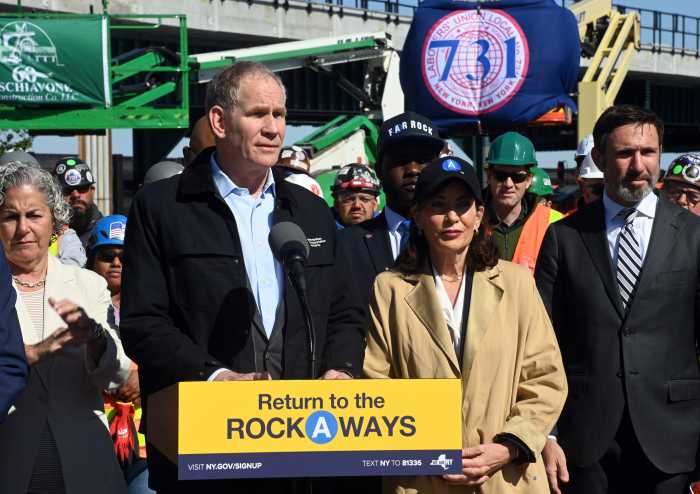
The governor, during a Monday afternoon news conference in Manhattan, stood alongside MTA Chair and CEO Janno Lieber and Mayor Zohran Mamdani. She lauded congestion pricing as a success in reducing car traffic, cutting air pollution, promoting the local economy, and generating vital funding for public transit.
“We changed how people in this great city and the region live, how they breathe, how they act, and now the results are in,” Hochul said of the program’s impact.
Hochul also noted that the once-fervent opposition to congestion pricing, when it was first launched one year ago, has seemingly “calmed down.”
“People like getting across the bridges faster, they like coming to the city with more time on their hands, they’re happy not to sit in traffic,” Hochul said. “So to those individuals who are driving in, their quality of life has improved as well, and I’m really proud of that, and I hope they understand what this program did for them.”
The governor touted the state’s and MTA’s success in winning most of the nearly a dozen lawsuits that opponents brought in hopes of halting congestion pricing over the past few years.=
“For those of you who are keeping score, I’ve got more than 10 lawsuits. We have a pretty good record. Every time it’s gone before a judge, the judge says, ‘no, no, the state is right,'” Hochul said.
Hochul said she believes the state will have the same result with its lawsuit seeking to block President Trump’s administration’s efforts to end the program. The Manhattan federal judge in the case, Lewis Liman, will hear oral arguments later this month.
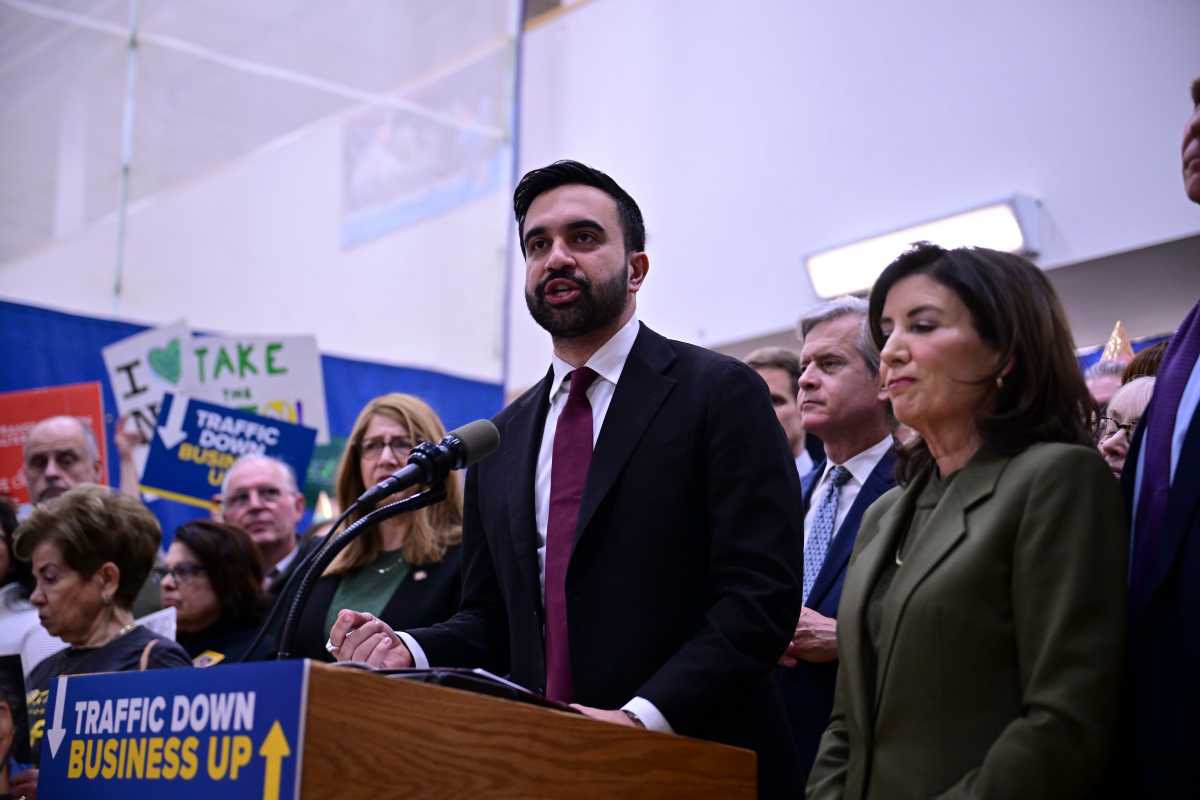
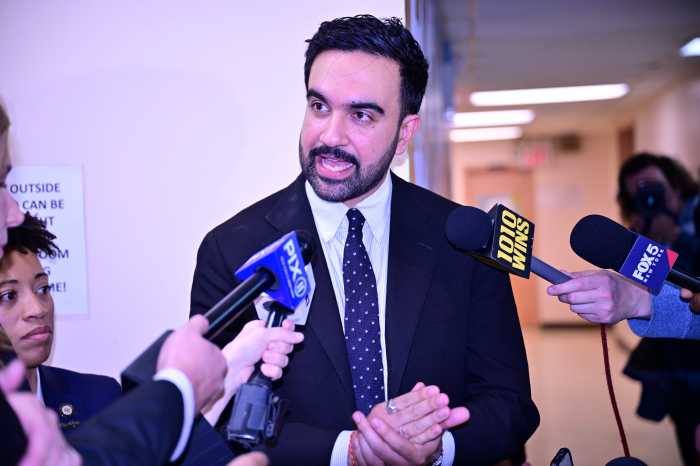
Mamdani, who won the mayoralty on ambitious proposals like making city buses free, said congestion pricing is proof of the “change that can come when government dares to do big things.”
“This is a program that has been successful, no matter how you measure it,” he said.
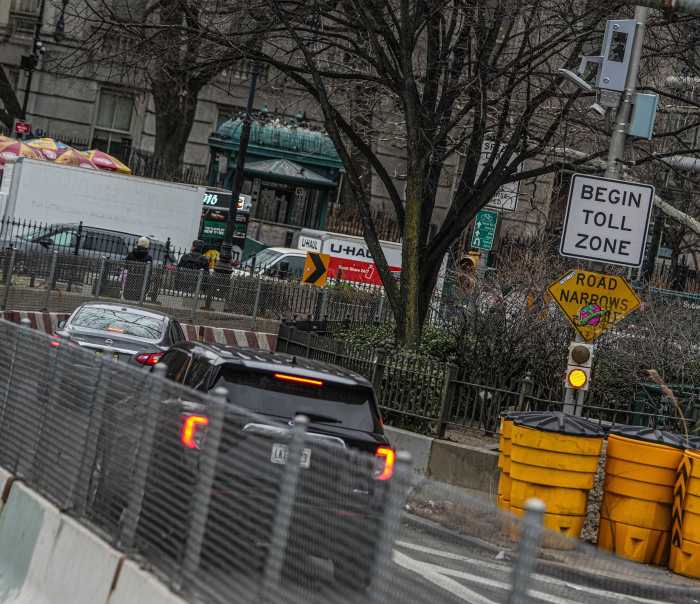
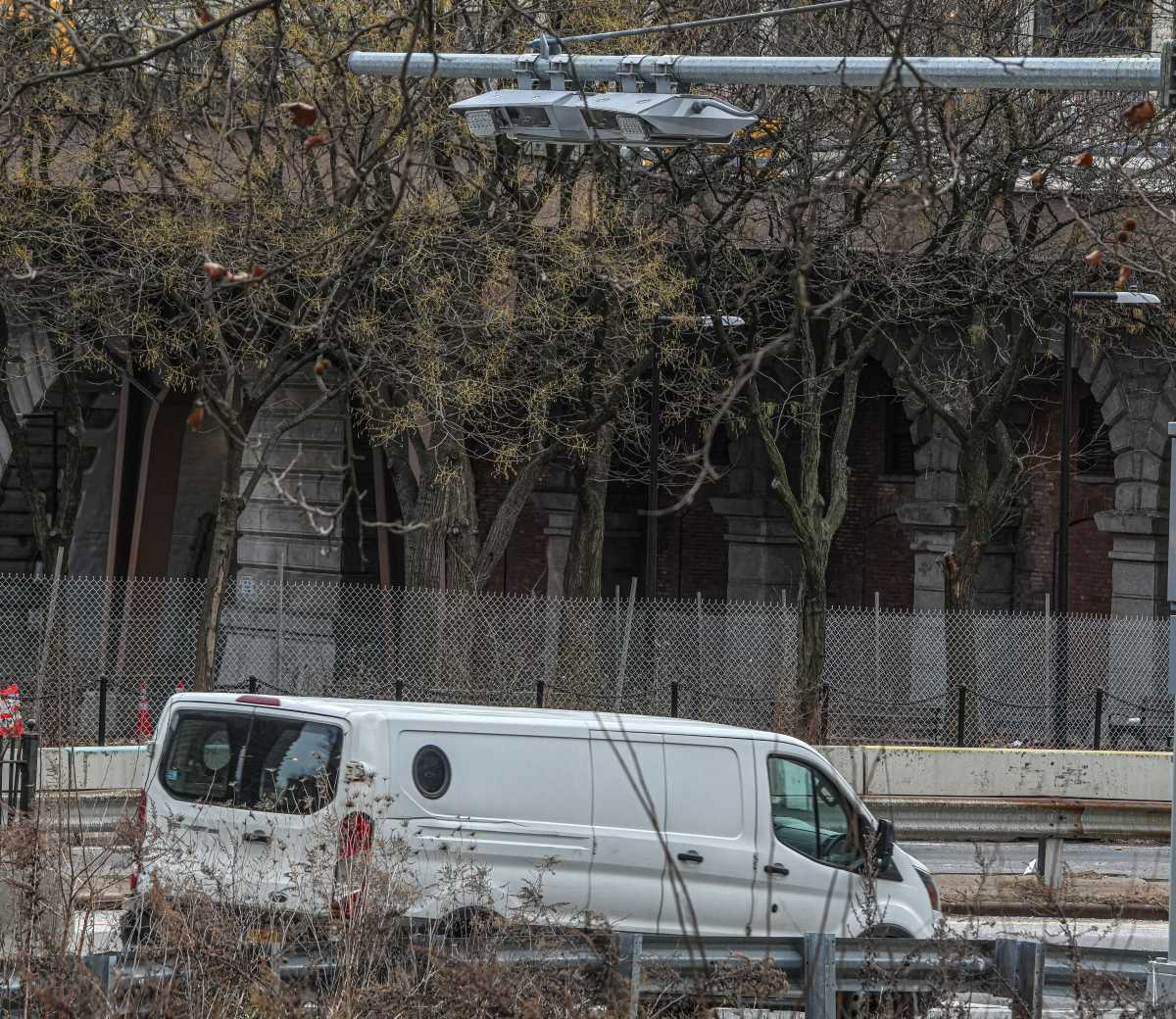
Congestion pricing charges drivers entering Manhattan below 60th Street a $9 base toll during peak hours. The tolls vary based on vehicle size and the time of day drivers enter the zone, known as the Central Business District (CBD).
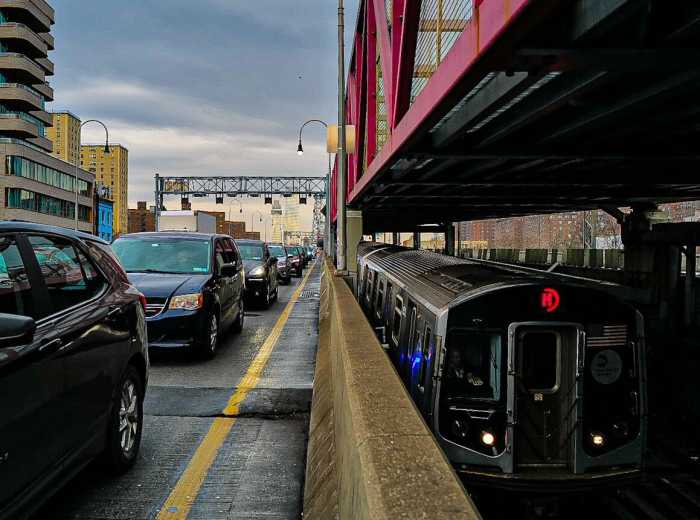
The governor ticked off the program’s positive impacts on congestion and safety: reducing the number of vehicles enterring the CBD by 11% — equating to 27 million fewer vehicles; allowing those enterring and exiting the zone during rush hour to move an average 23% faster over crossings; boosting bus speeds in the CBD by 2.3%; and reducing crashes in the area by 7%.
She also pointed to a 22% drop in air pollution within the CBD; a 6.3% rise in economic activity in the zone; and Broadway having its best season in history — bringing in $1.9 billion in ticket sales.
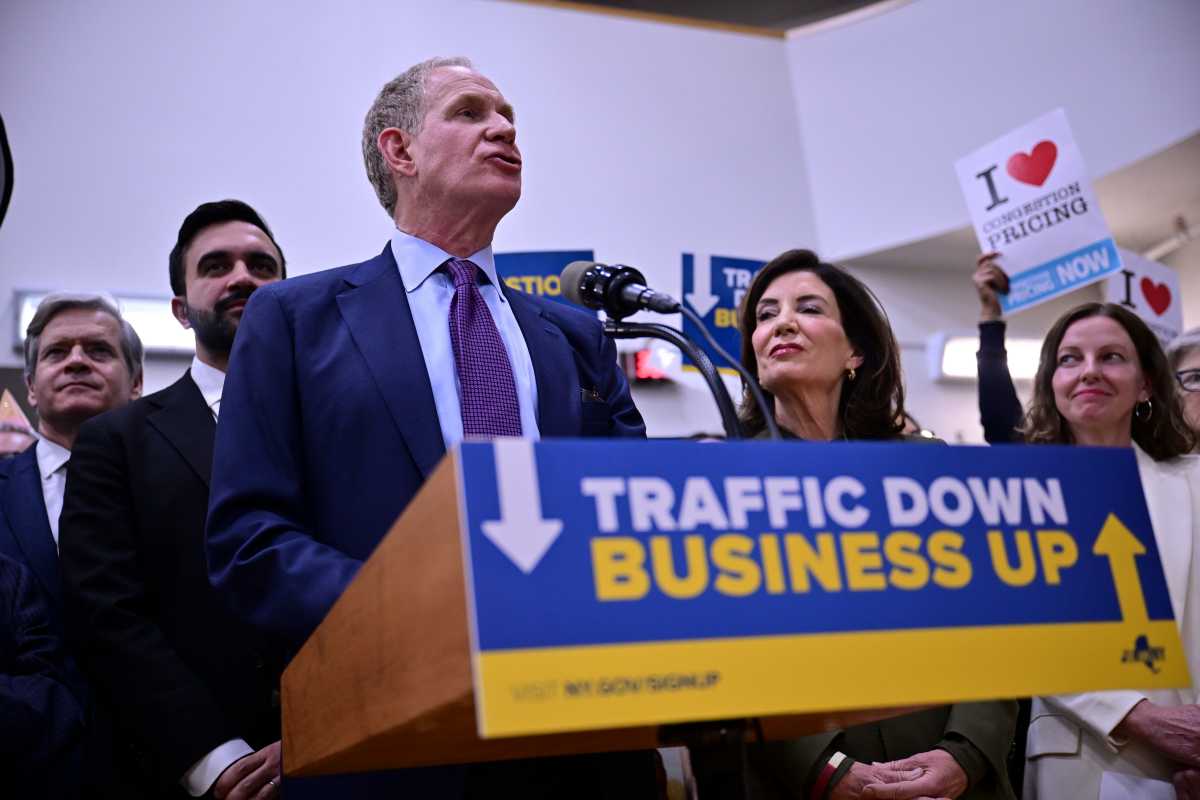
Furthermore, the state’s and MTA’s projections indicate the program will raise $550 in net revenues for its first year. They will then begin bonding those dollars out to bring in $15 billion to fund major capital improvements to the system over the next several years.
“It’s going to bring us more benefits, more than just less congested streets,” Lieber said of congestion pricing. “It’s the new train cars that you’re making possible. The new signals. The more ADA (Americans with Disabilities Act) elevators.”
The MTA has already approved contracts for signal modernization on the A/C line in Brooklyn and Queens and to install elevators at five stations utilizing congestion pricing revenue late last year.