


Monday, Jan. 5, marks the fifth day of Zohran Mamdani’s term as mayor. amNewYork is following Mamdani around his first 100 days in office as we closely track his progress on fulfilling campaign promises, appointing key leaders to government posts, and managing the city’s finances. Here’s a summary of what the mayor did today.
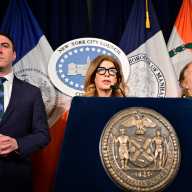
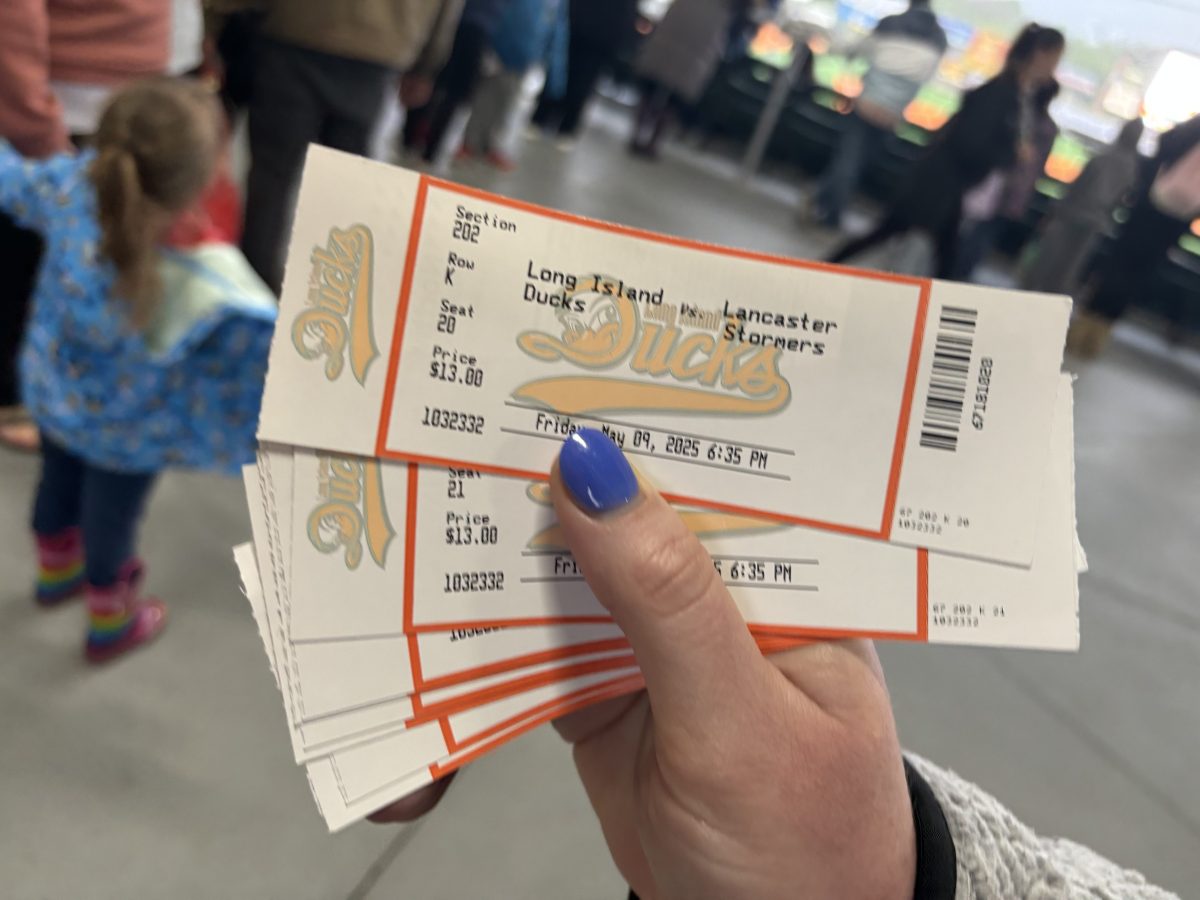
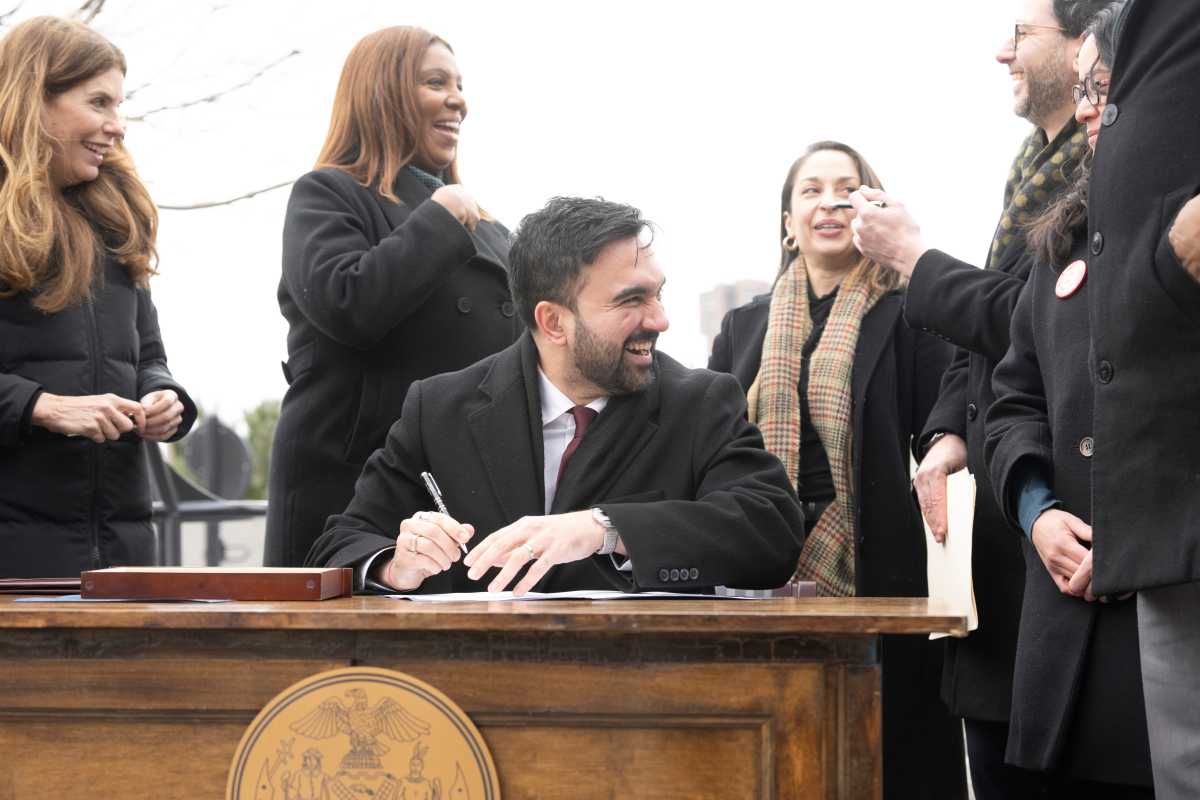
Mayor Zohran Mamdani on Monday signed two executive orders directing city agencies to crack down on so-called junk fees, citing hidden charges that appear when New Yorkers buy concert tickets, join gyms, or try to cancel subscriptions, framing the effort as a key part of addressing the city’s affordability crisis.
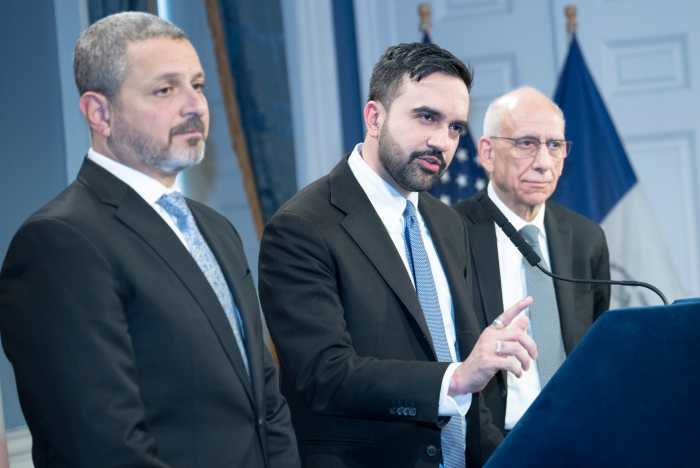
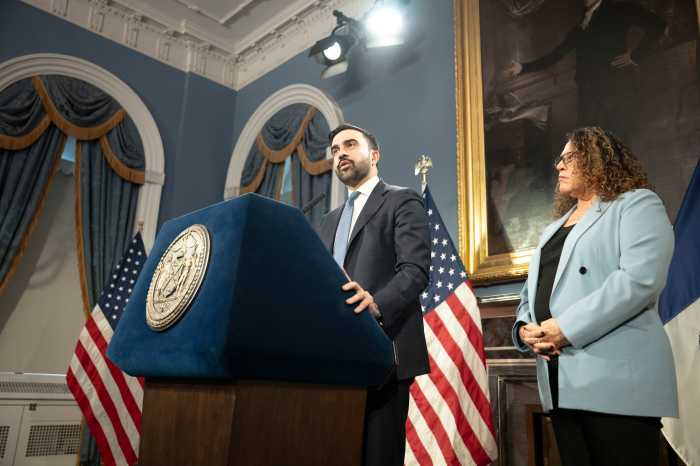
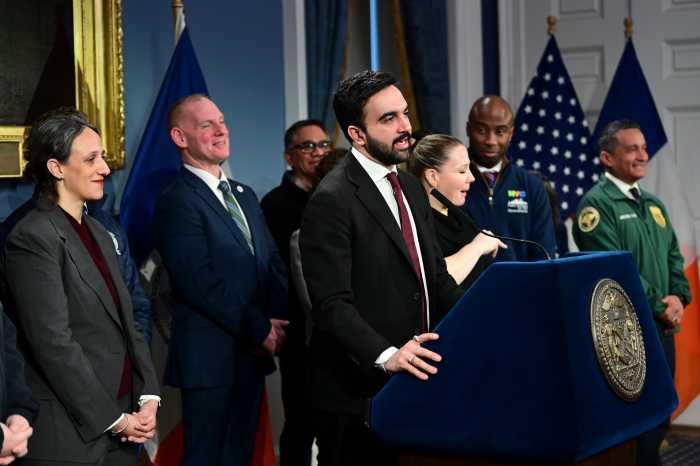
Speaking at a press conference in Long Island City, Mamdani said junk fees have become embedded in everyday transactions — from gyms and concert tickets to rent payments — quietly draining money and time from New Yorkers.
“Five dollar fee here, a ten dollar fee there — what seems small adds up quickly,” Mamdani said. “The aggregate of all of these fees only buries New Yorkers deeper in a cost-of-living crisis that defines too many of our daily existences.”
Mamdani said the fees are not just a financial burden but a sign of “disdain and disrespect” toward working people. “When your landlord adds fees to your rent payment at the last moment, that is disrespect,” he said. “These fees are unfair to consumers, and they do a disservice to other businesses as well that operate honestly.”
Affordability: Mamdani’s orders aim to help consumers save money
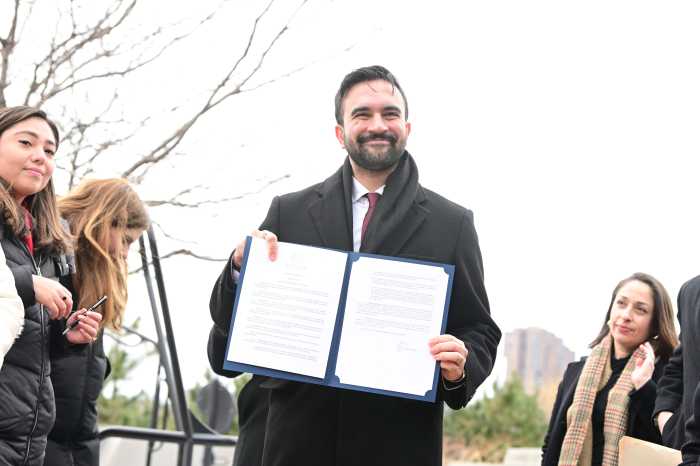
The first executive order, signed Jan. 5, establishes a citywide junk fee task force co-chaired by Deputy Mayor for Economic Justice Julie Su and Department of Consumer and Worker Protection Commissioner Sam Levine. It directs DCWP to intensify enforcement against hidden fees and deceptive business practices and to pursue compliance actions when businesses violate city law.
The second executive order targets subscription “tricks and traps” — recurring charges that are difficult to cancel — and directs DCWP to monitor, investigate, and enforce violations while recommending potential legislation to the City Council.
“We are shutting the door on the era of hidden junk fees and illegal subscription traps in the city of New York,” Levine said.
Mamdani said the city’s approach builds on federal action taken by the Federal Trade Commission, which he said estimated its junk fee rule would save Americans 53 million hours a year spent trying to determine true prices. “We are going to deliver similar action on behalf of the eight and a half million New Yorkers who call our city home,” he said.
Levine said the orders make clear that hiding fees and trapping people in subscriptions are already illegal under existing law. “It is deceptive to hide fees. It is deceptive to trap people in subscriptions,” he said. “The mayor has directed us to use all of our tools to enforce the law.”
Mamdani added that enforcement would rely on cooperation between the mayor’s office, the City Council, and state officials.
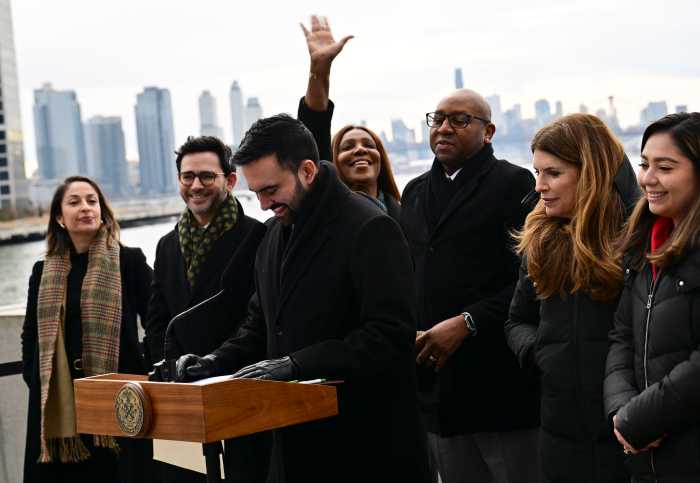
State Attorney General Letitia James joined the mayor on Monday and highlighted prior enforcement actions by her office, including cases involving ride-sharing companies, gyms, and car dealerships, as her office joined the crackdown efforts.
“We’ve taken action against a number of companies — Uber in particular — for subscription costs that were hidden,” James said. She said her office secured more than $600,000 for New York City consumers who had difficulty canceling their gym memberships and returned millions of dollars statewide to car buyers who were charged junk fees.
James emphasized that subscription traps cost consumers not only money but time. “We heard from consumers all throughout the city and all throughout the state that it basically took hours for them to cancel these subscriptions,” she said. “That’s hours away from families, hours away from children, hours off of work.”
City Council member Julie Menin, a former DCWP commissioner and incoming City Council speaker, said junk fees disproportionately harm seniors and people with limited English proficiency.
“You have to go through pages and pages of little type that you can’t read,” Menin said. “What you’re doing today really makes a difference for so many New Yorkers.”
Menin also pointed to legislation she introduced last year aimed at restricting dynamic pricing in food establishments. “This is the type of work, collectively in partnership, that we are going to be able to do to protect New Yorkers,” she said.
Levine said enforcement would be industry-neutral and warned companies not to assume they are exempt. “There is no industry that is above the law,” he said. “Should we find companies that are engaging in these practices, we’re going to take them to court.”
Jessica Walker, President and CEO of the Manhattan Chamber of Commerce, issued a statement after Monday’s announcement welcoming the mayor’s push for affordability but warned that the new enforcement initiative must avoid punishing small businesses for technical violations.
“The Manhattan Chamber of Commerce shares Mayor Mamdani’s commitment to making NYC more affordable and ensuring a fair marketplace for all consumers,” Walker said. “However, as the Mayor directs the DCWP to ramp up enforcement against ‘junk’ and ‘hidden’ fees, we must ensure that this initiative does not inadvertently penalize small businesses for administrative technicalities rather than bad-faith actors.”
Walker highlighted findings from the Chamber’s recent report, Enforcement Uncovered, noting that 62.3% of DCWP charges end in default judgments because business owners fail to respond to summonses, and that signage and paperwork violations, rather than fraud, make up the bulk of infractions. She also pointed out gaps in the city’s “Right-to-Cure” system, with over half of eligible cases lacking recorded outcomes.
To avoid unintentionally burdening small businesses, the Chamber recommended measures including: in-person compliance guidance, starter kits with mandatory signage, SMS/email hearing reminders, and a one-click portal for correcting violations.
Separately, during his mayoral campaign, Mamdani launched a petition called “Game Over Greed” calling on FIFA to abandon plans to use dynamic pricing for 2026 World Cup tickets, arguing that the model would make matches at nearby MetLife Stadium less affordable for working-class fans.
FIFA has defended using dynamic pricing to sell tickets for the tournament, describing the policy as a reflection of an “existing and developing market practice” in North America. MetLife Stadium in New Jersey is set to host eight matches during the summer tournament, including the final.
On Monday, responding to questions about dynamic pricing, including rising ticket prices for concerts and the upcoming FIFA World Cup, Mamdani reiterated his opposition to the practice. “We have made what used to be a working-class game into a luxury experience,” Mamdani said, adding that conversations are ongoing about affordability.
The fruits of congestion pricing
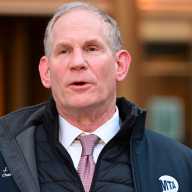
At a separate press conference in Manhattan on Monday, marking the one-year anniversary of congestion pricing, Mayor Mamdani was asked whether the city plans to further capitalize on the “space dividend” created by fewer cars. He said he is “very excited” to explore ways to improve streets for pedestrians, cyclists, and transit riders.
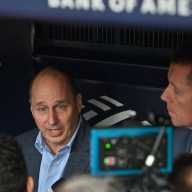
Mamdani noted that during the interview process for his Department of Transportation commissioner, he asked then-candidate Mike Flynn how to make the city “the envy of the world when it comes to our streetscape.” He said the city has a range of tools to maximize the benefits of congestion pricing and improve overall mobility. “I look forward to reviewing the options we have and figuring out what steps we can take in the near and medium term,” Mamdani said.
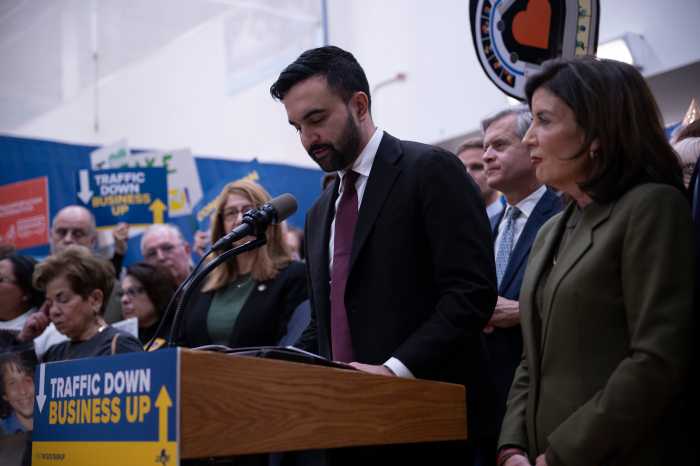
The Metropolitan Transportation Authority reported that congestion pricing, which charges drivers a $9 base toll to enter Manhattan below 60th Street during peak hours, reduced traffic in the Central Business District by roughly 11 percent in its first year — about 73,000 fewer vehicles per day.
Mamdani described Flynn as a key partner in translating the city’s transportation goals into action. The commissioner brings nearly a decade of experience at DOT, where he oversaw major street reconstruction and pedestrian and bike infrastructure projects, and has since led a transportation consultancy and taught urban planning at the Pratt Institute. Flynn has previously stated that he plans to move quickly on expanding bus lanes, including restarting projects that stalled under the previous administration.
Mamdani’s heir apparent
Diana Moreno, a democratic socialist and Ecuadorian-born organizer, is all but locked in to succeed Mayor Mamdani in western Queens.
The Queens Democratic Party formally nominated Moreno for the Feb. 3 special election in the 36th Assembly District, giving the DSA-backed candidate the party line in a district long held by progressive allies of U.S. Rep. Alexandria Ocasio-Cortez.
Moreno is one of four candidates running to replace Mamdani and one of three DSA members vying for the seat. She has been endorsed by both the Democratic Socialists of America and Mamdani himself, cementing her status as the frontrunner.
Mamdani’s backing represents a notable shift in city politics. The Queens Democratic Party, which typically supports more moderate candidates, had previously declined to endorse Mamdani during last year’s mayoral primary.
By throwing its weight behind Moreno, Mamdani has consolidated influence in his former Assembly district, a progressive stronghold also represented by Council Member Tiffany Cabán.
In a statement issued on Monday, the mayor described Moreno as a leader who will “champion those who are forgotten in the halls of power.”
Judicial appointments and reappointments
Later on Monday, Mayor Mamdani announced that he had appointed three new judges and reappointed nine others in the city’s criminal and family Courts.
The new appointees — Cary Fischer, Natalie Barros, and Andrés Casas — will undergo public hearings in January before officially taking the bench. The reappointments include seven Criminal Court judges and two Family Court judges.
“New Yorkers deserve a justice system that delivers accountability, safety, and fairness,” Mamdani said. “I am proud to announce these judicial appointments, whose depth of experience and commitment to impartiality will strengthen our courts and restore public trust.”
According to the administration, Fischer previously worked in the Bronx and Kings County District Attorney’s offices and taught at New York Law School. Barros served as an assistant district attorney in Richmond County and as a court attorney in the state Unified Court System. Casas has experience as a prosecutor, principal court attorney, and litigation attorney with the Port Authority of New York and New Jersey.
Reappointed Criminal Court judges include Steven Hornstein, Althea Drysdale, Joshua Glick, Jerry Iannece, Nancy Carrington, Michael Hartofilis, and David Goodwin. Family Court reappointments went to Gayle Roberts and Lauren Norton-Lerner.
The appointments follow Mamdani’s Friday announcement that he had named his election attorney, Ali Najmi, as chair of the Mayor’s Advisory Committee on the Judiciary, which is launching a new effort to involve a broader segment of the city’s legal community in selecting judges.
The committee evaluates and appoints judges to the city’s family and criminal courts, as well as interim judges for civil courts. To support the initiative, Mamdani signed an executive order directing Najmi’s committee to engage the broader legal community in the judicial selection process, including public defenders, family court attorneys, and attorneys in indigent legal services.