

The NYPD released late Tuesday evening the body camera footage from the controversial Queens police shooting last month of a knife-wielding man in mental distress, placing further scrutiny on the role of cops in psychiatric emergencies.
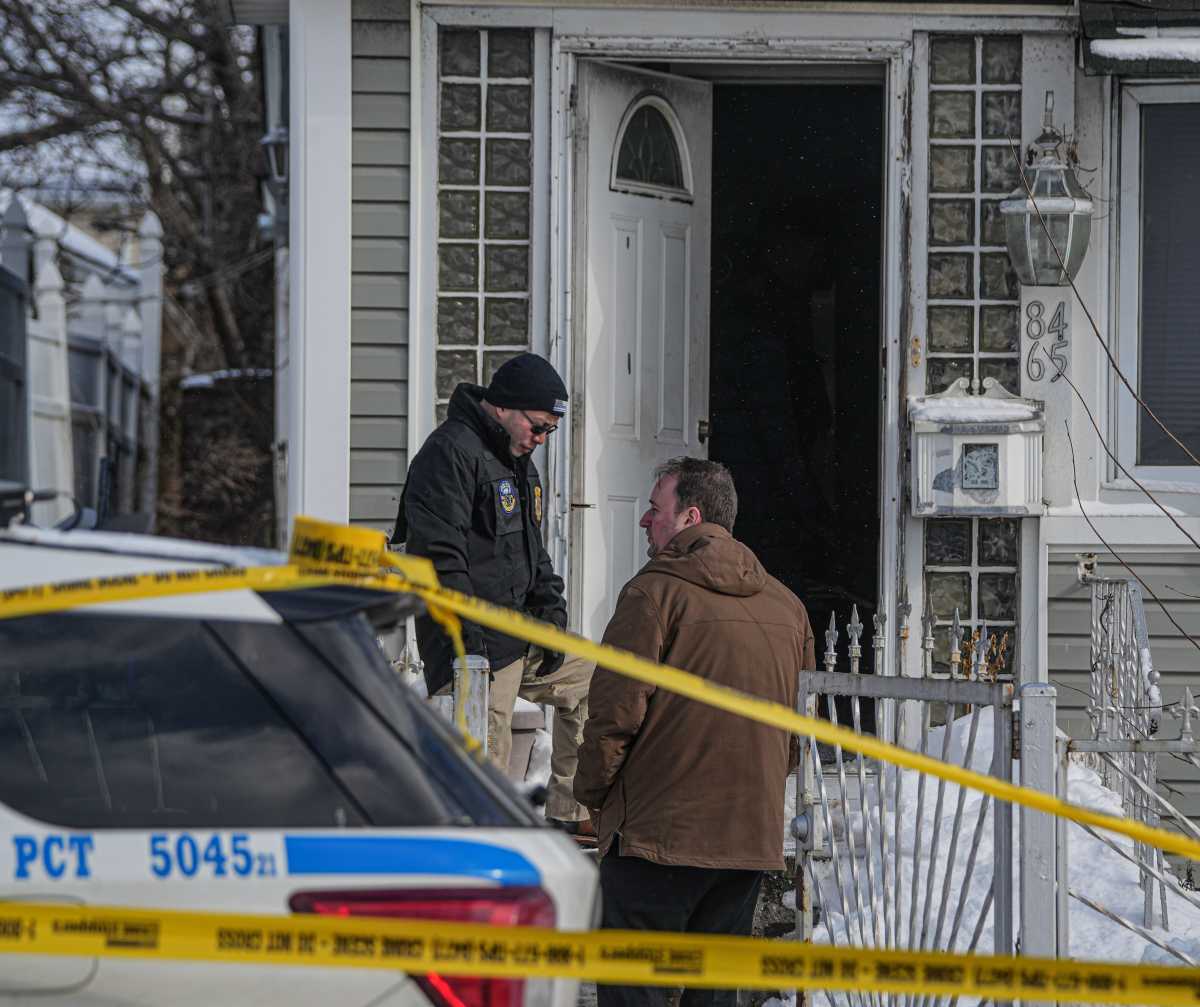
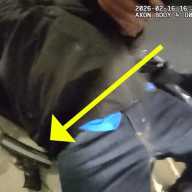
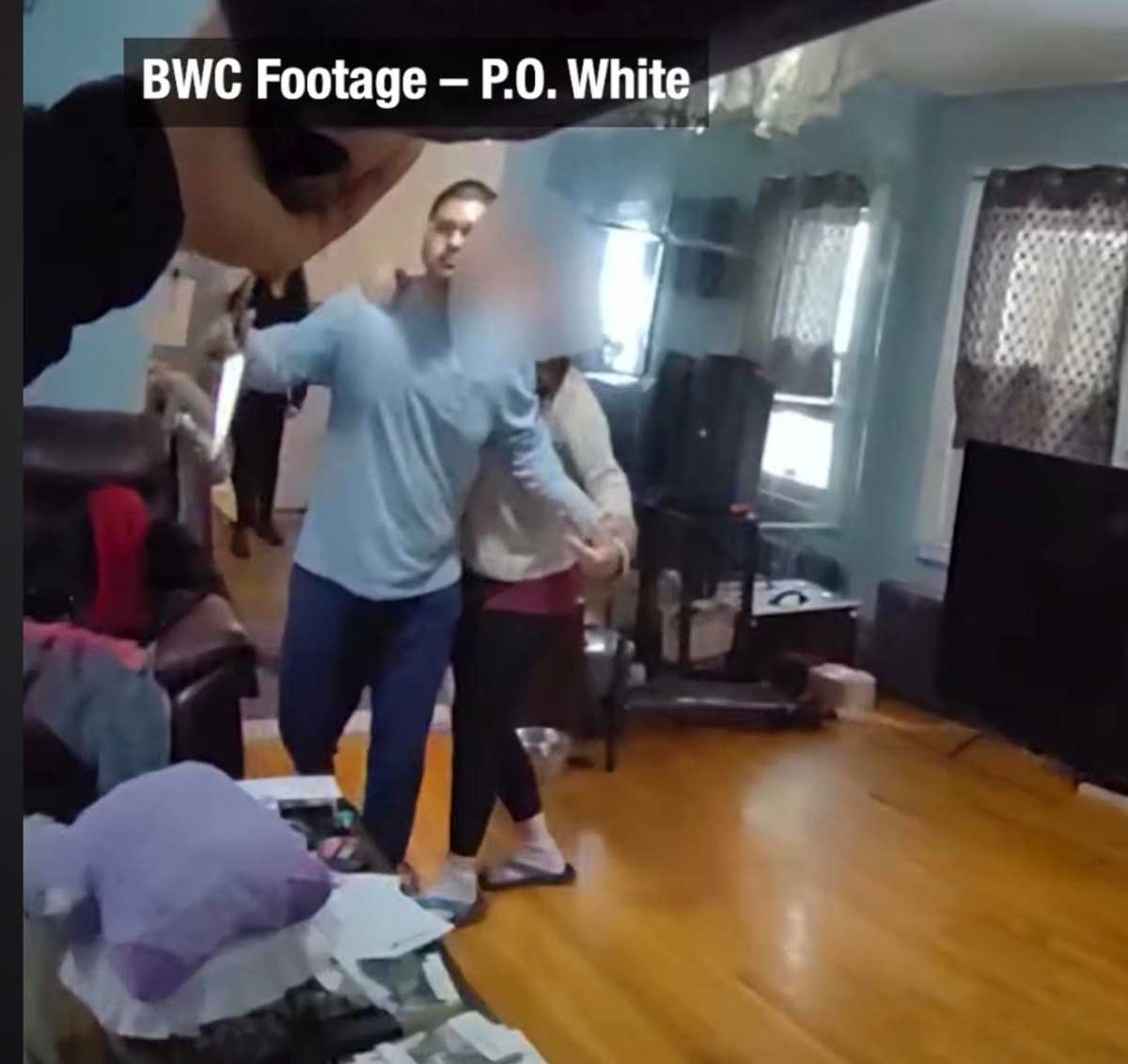
The full video shows two officers from the 107th Precinct arriving at the Briarwood home of Jabez Chakraborty around 10:25 a.m. on Jan. 25. Chakraborty’s mother greeted them at the door and let them inside when Jabez appeared from the kitchen in the rear of the residence, brandishing a knife.
The footage then depicts the cops retreat into the entranceway while issuing verbal demands that he drop the weapon. Jabez Chakraborty’s mother attempted to wrestle the knife out of his hands, but Jabez broke free and marched toward them.
One officer slammed the living room door shut, but seconds later, Jabez Chakraborty attempted to open it. That led one of the responding officers, identified as Tyree White, to open fire several times, striking Jabez multiple times and causing him to collapse.
“It’s a tragedy, it’s horrible, but the officers had to protect themselves,” one law enforcement source said of the video.
Chakraborty was rushed to Jamaica Hospital, where he underwent emergency surgery and remains hospitalized in critical condition.
Family believes Queens police shooting did not have to happen
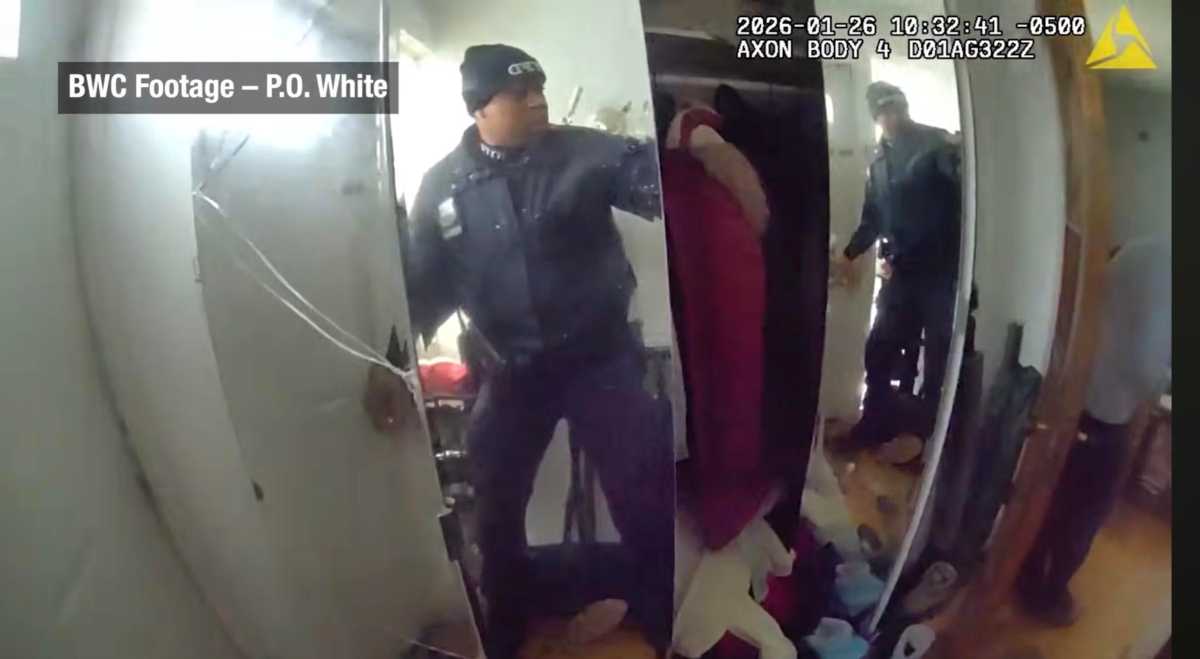
The family of Chakraborty expressed frustration on Wednesday with what they cited as limited body-worn camera footage released by the NYPD, calling it a biased and incomplete narrative of the shooting. They said the videos fail to capture the full scope of what happened during and after the officers’ arrival at their home. They even went on to charge that officers questioned them about their immigration status, seized phones and passwords, and held them at the precinct for hours without clarity about Jabez’s condition.
An NYPD spokesperson responded by telling amNewYork that “Body-worn camera footage shows no evidence that officers asked about immigration status.”
Following the shooting, the family also released a statement through South Asian immigrant advocacy group Desis Rising Up and Moving (DRUM), charging that they did not call 911 for police but instead for an ambulance.
“We called 911 for an ambulance to provide medical attention for our son, who was in emotional distress. We did not call the police. Instead of medical responders, the NYPD arrived and shot our son multiple times right in front of us,” part of the statement read. “After shooting our son, the NYPD demanded we give them our phones and passwords, threatening us to comply.”
The NYPD responded by releasing the audio of the 911 call, in which Chakraborty’s mother asked the operator for “involuntary transportation.” The operator told his mother that they would also be sending police to the home, something authorities say is “policy’ when requesting involuntary hospitalization. However, the mother also explained during the call that her son was not acting violently at the time.
Law enforcement shared that the family is now dealing directly with Community Affairs Officers.
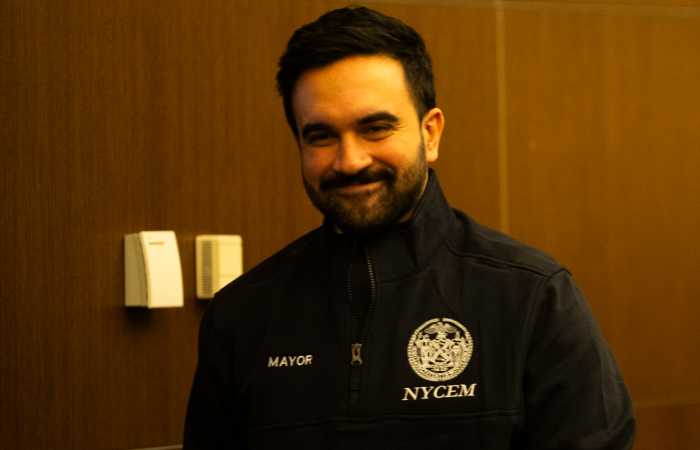
Several others, including Mayor Zohran Mamdani, also weighed in on the controversy. The New York City Democratic Socialists of America released a statement demanding that Queens District Attorney Melinda Katz drop all criminal charges against Chakraborty be dropped, something Hizzoner echoed.
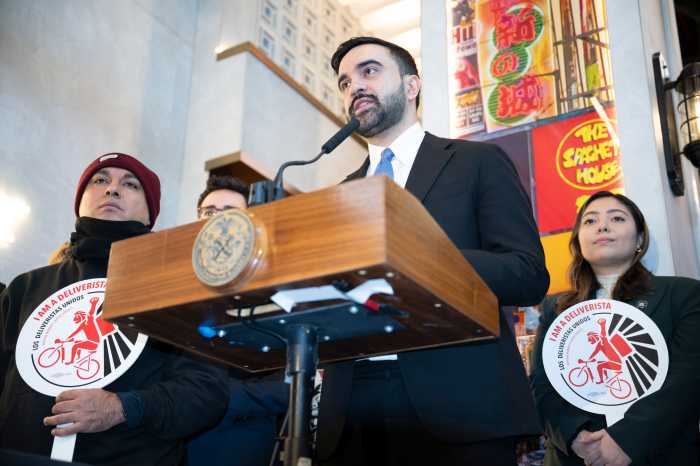
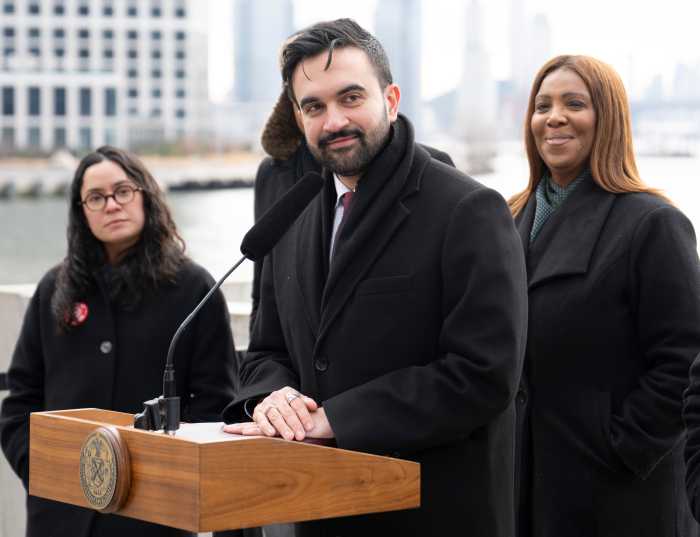
Mayor Mamdani, speaking at a press conference in Far Rockaway, declined to directly criticize the officers’ actions but said the incident highlighted what he described as a failure in the city’s mental health crisis response system.
“What Jabez needs in this moment is mental health treatment, not criminal prosecution by a district attorney,” Mamdani said.
amNewYork reached out to the Queens DA’s office for comment, who responded by stating: “We do not comment on investigations.”
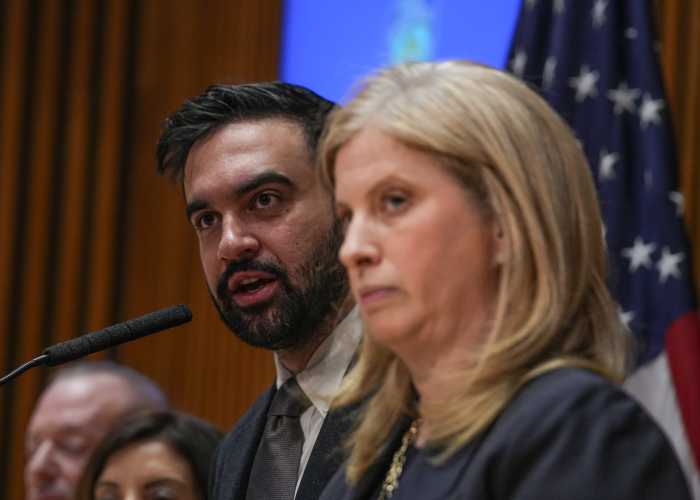
The mayor also stated police officers are too often left as the sole responders to psychiatric emergencies, placing risks on individuals in crisis, their families, and officers themselves. “The Department of Community Safety has long been a focus of our administration… the north star of that department is safety, ensuring safety for the affected individual, for the family, for police officers, for any responding city personnel,” Mamdani said.
He added that the city must rethink how it responds to such calls, pointing to his proposal for a Department of Community Safety that would involve non-police mental health professionals in crisis situations. Mamdani also said his administration is working on a clearer policy for the release of police body-worn camera footage, saying New Yorkers should know what to expect when such videos are made public. He did not provide a timeline.
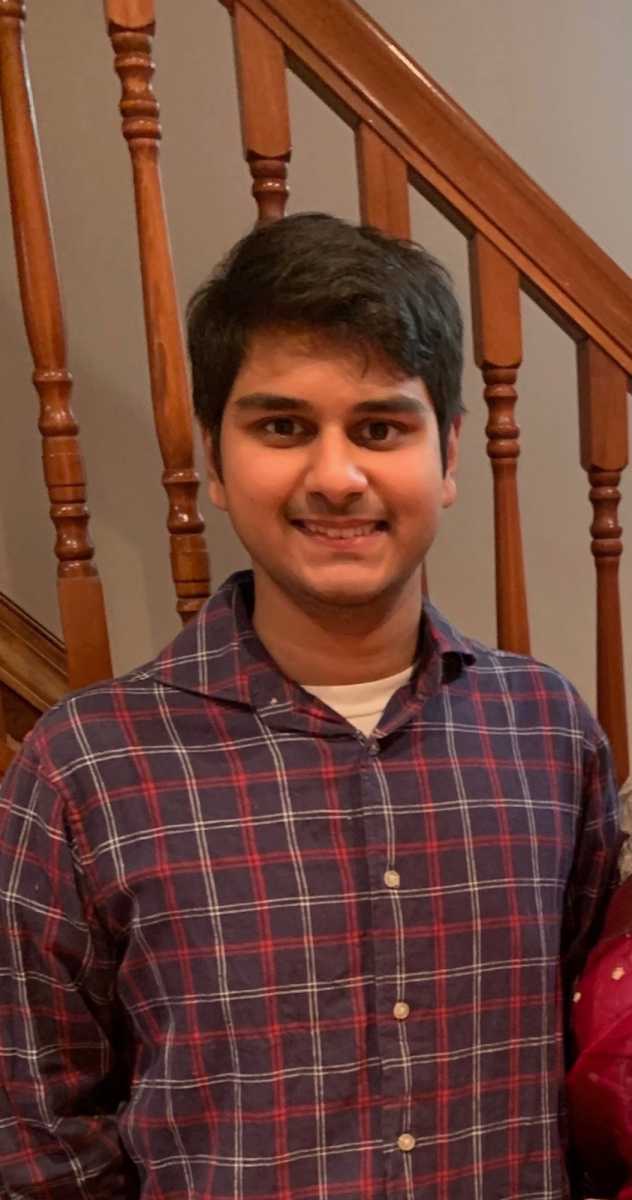
Mayor Mamdani also found himself on the receiving end of criticism by advocates. In a statement, the Justice Committee questioned his transparency with the family.
“The fact that Mayor Mamdani was either unwilling or unable to get the NYPD to grant the Jabez’s family’s request to view the unedited footage with their support team prior to its public release calls into question the Mayor’s accountability to New Yorkers and understanding of his power over the NYPD. We demand that the Chakraborty family and their support team be allowed to view the full, unedited body camera footage,” part of the statement read
A source with knowledge of the unfolding situation stated that the family was offered the opportunity to view the body camera footage; however, it is unclear whether this was the raw footage.
During a press conference in the hours following the shooting, Assistant Chief Chris McIntosh said cops were called to the home because Chakraborty suffered a mental health crisis and was throwing glass against the wall. McIntosh described the cops as trying to de-escalate the situation; however, while the video shows police calling for him to put down the knife, things played out in a matter of seconds.
Police Benevolent Association President Patrick Hendry, the leader of the union representing the 21,000+ police officers, stated the officers had no time to de-escalate — something which, he believes, the bodycam video confirms.
“The video makes it clear that these police officers walked into an unpredictable, fast-moving and dangerous situation. There was no time or space for them to de-escalate the situation before they were forced to act. They did their job professionally and with restraint under terrible circumstances,” Hendry said.
Police say prosecutors will continue to investigate and analyze this incident, and conduct more interviews and forensic tests.