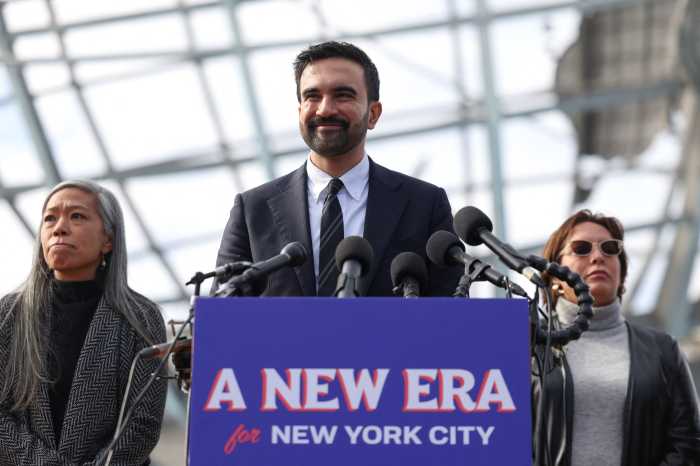


Mayor-elect Zohran Mamdani will take office on Thursday amid mounting financial challenges and an ambitious progressive agenda. He inherits a city with an affordability crisis, intergovernmental landmines and the immediate task of building a capable administration, all while turning campaign promises into tangible results.
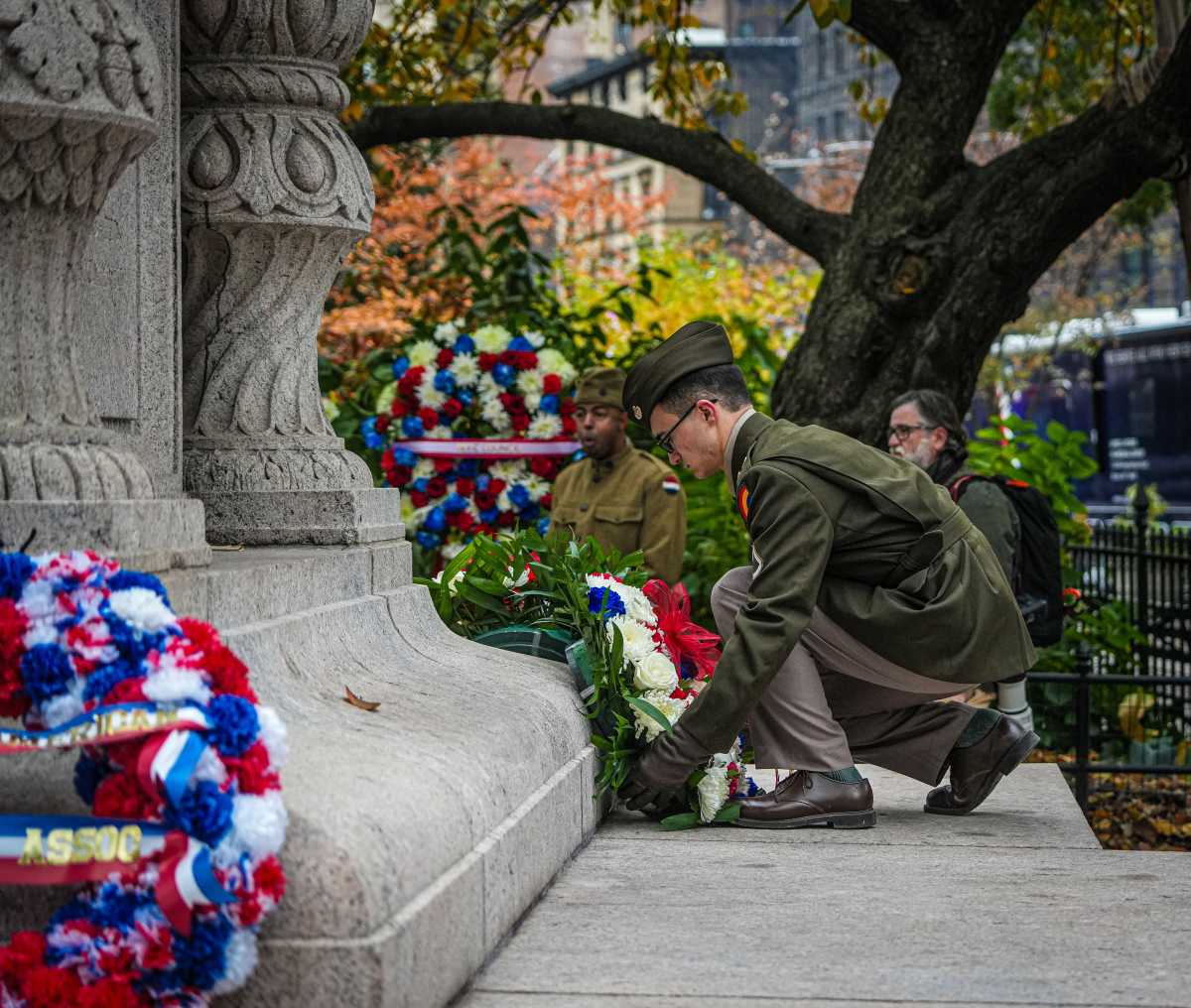
Those results will be especially urgent for veterans and their families, a community that has long been promised support but has far too often been treated as “low-hanging fruit.”
Last month, the mayor-elect skipped the city’s Veterans Day parade to visit the Bronx, where he spent time listening to veterans and hearing their concerns. Afterwards, he told them, “The days of thanking you today and forgetting you tomorrow have to come to an end.”
That line resonates because it speaks to a familiar reality.
Too often, military service is acknowledged in May and November, then forgotten the rest of the year. Veterans at the luncheon echoed what many have been saying: they have been overlooked by the nation they served and, more importantly, by the city they call home.
It’s a failure the mayor-elect has the power to correct – if he chooses to.
When New York City’s Department of Veterans’ Services (DVS) was established as a standalone agency more than nine years ago, its mission was clear: to provide veterans and their families with the support and access to resources that had long been missing.
Unfortunately, for many, DVS has become a source of frustration and disappointment. With fewer than 40 full-time staff and less than 1% of the city’s budget, capacity is undeniably constrained. But limited resources alone don’t explain the erosion of trust between the agency and the community it’s meant to serve.
Veterans earned better. Here’s what many in the community see:
Leadership. Five years under the current agency leadership have produced inefficient programs, delayed responses and no clear strategic vision or performance metrics. Elected officials may like the commissioner, but few have clear visibility into measurable results.
Failing infrastructure. Veterans have been asked for patience while the agency invested in platforms that have struggled to deliver; while initiatives are launched without adequate consultation, communication, testing or even staff training, leaving nonprofit partners to manage the consequences.
Lack of clear data. Required city reports are late, incomplete or inconsistent. Additionally, data on wait times, service outcomes and unmet needs are either missing or unreliable.
Staff under strain. Agency employees are overstretched, often juggling multiple roles or being reassigned with little support. The result is low morale, high turnover and instability that directly affects veterans seeking help.
The City Council’s April report card on DVS said it plainly: “When Veterans, advocates, and non-profit partners were surveyed about different aspects of DVS… the overall response was negative.”
Mayor-elect Mamdani’s visit to the Bronx mattered, but symbolism alone will not improve lives. Veterans need leadership and structural reform. To that end, the incoming administration can act immediately to:
• Appoint a new commissioner. DVS needs a people- and results-driven leader who can reset expectations, rebuild internal culture, restore external credibility, and deliver measurable progress
• Integrate veterans into the affordability agenda. Housing, transportation and food security are veteran issues too. Veterans should be prioritized for housing, and interagency coordination must improve so disabled and older veterans can access programs like SNAP and rental assistance without unnecessary barriers.
• Provide accurate data. A commitment to “delivering for the people” requires clear information about who is being served, how long they are waiting, where bottlenecks exist, and what outcomes are being achieved.
• Fix systems before building new ones. Technology is not a box to check, and veterans should not be treated as beta testers. If platforms, such as VetConnect are failing, the administration must understand why, rebuild thoughtfully, pilot responsibly and scale when the systems work.
• Support staff. Front-line employees understand the challenges, but they need stable roles, proper training and leadership that values and acts on their expertise. Clear communication should be standard, not optional.
Every mayoral administration professes support for veterans, but too often the words rarely match reality. The absence of any veterans on the mayor-elect’s social services or community organizing transition committees underscores this persistent and disappointing pattern.
Real change requires leadership, accountability and the resolve to fix what’s not working. Mayor-elect Mamdani has an opportunity to modernize DVS into an effective, transparent, people-centered agency.
New York City’s veterans and their families deserve nothing less.
Joe Bello served in the U.S. Navy/Naval Reserve and has been a veteran’s advocate and organizer in New York City for over two decades. He is the founder of NYMetroVets and the former Citywide Veterans Director at the City Council.