

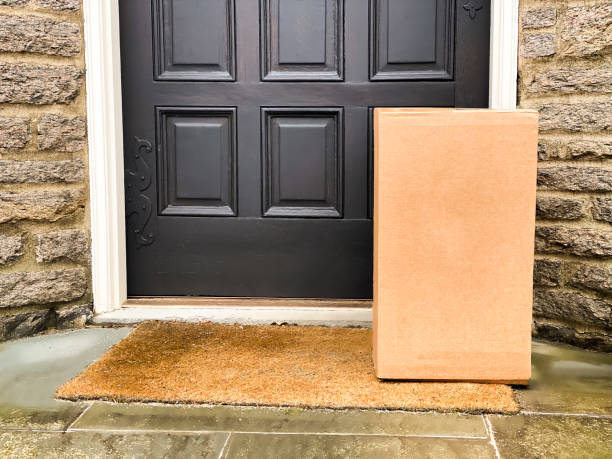
Today, one-third of adult New Yorkers will receive a package. From groceries and diapers to pharmaceuticals, these are the necessities that must make their way from businesses to front doors across all five boroughs. Access to these goods is essential for everyone from older adults with limited mobility to families with young children or New Yorkers working multiple jobs who need the affordability and convenience of reliable delivery. Modern city life depends on it – and last-mile facilities are what make it possible.
Last-mile facilities are neighborhood-based distribution centers where packages are sorted and dispatched for final delivery. Because they are located closest to the communities they serve, they help keep deliveries fast, sustainable, and affordable. Without them, packages must travel farther – meaning slower deliveries, increased costs, more and bigger trucks on our streets, and worsening environmental impacts.
The last-mile network, like any other complex system in New York City, faces challenges. There are common-sense ways to reduce traffic congestion, enhance safety protections for pedestrians, drivers, and delivery workers, and make more environmentally friendly delivery options available.
The answer is not, as some politicians are advocating, flipping the system on its head with even more bureaucratic red tape. Onerous special permits, counterproductive mandates, and employment restrictions that eliminate small businesses from the industry will increase costs, eliminate jobs, and reduce the flexibility of the delivery system millions of New Yorkers rely on every day.
When costs rise in the supply chain, they don’t disappear – they are passed on to consumers and to small businesses already operating on razor-thin margins. Families pay more. Local shops lose customers. Neighborhood economies suffer.
That’s why small businesses, workers, and local delivery operators are coming together to launch the New York Delivers campaign – to ensure elected officials understand the value of last-mile delivery facilities and make decisions that protect affordability, local jobs, and New York neighborhoods.
The vast majority of last-mile delivery businesses are local, family-owned and minority-owned small businesses. In New York City, 88% of transportation and warehousing businesses employ fewer than 20 people. The success of the system is balanced by the interconnection between these small businesses and the bigger players. Together, these companies hire locally, create jobs, and provide real opportunities for working New Yorkers – including more than 100,000 workers in the sector who do not have college degrees.
One example of how New York’s delivery ecosystem supports local jobs and neighborhoods is Cazar Logistics, also known as Team Cazar. Founded by Marine Corps veteran Rudy Cazares — a Queens native, son of immigrant parents from Mexico, and leader of a New York State Service-Disabled Veteran-Owned Business — the company operates in New York City and services all five boroughs. Today, Team Cazar runs more than 150 delivery routes per day and employs over 100 W-2 workers. For more than two years, the team has delivered tens of thousands of meals to servicemembers, veterans, and their families across the city as part of an ongoing weekly commitment. The company’s focus is straightforward: deliver reliable service, take care of its people, and serve the community it calls home.
When policymakers malign this system without a clear understanding of the ecosystem it supports, the damage lands on the smallest players first. Local delivery partners cannot absorb sweeping new costs or restrictions, leading to closures, job losses in the community, fewer locally owned businesses, and reduced flexibility for workers. Meanwhile, facilities move farther from the city, requiring more and larger trucks to bring the same volume of packages into the city, increasing congestion and pollution. Each facility pushed outside the City would generate an additional 8,000 metric tons of carbon dioxide annually.
That risk is top of mind for Kris Basmagy, who runs a family-owned delivery business in Manhattan with his father. His company employs delivery associates who travel routes on foot throughout Manhattan. Writing about his experience, Basmagy explains that small delivery operators take on the full financial responsibility for staffing, equipment, and daily operations, leaving little room for sudden cost increases or operational hurdles. He warns that policy changes made without understanding how local delivery actually works could threaten businesses like his and the jobs they support.
At a time when the affordability crisis is already hitting small businesses who are struggling to survive, New York City should not be making it harder to deliver goods efficiently or pushing local operators out of the market. We should be strengthening the systems that keep prices down, deliveries reliable, and neighborhoods economically vibrant.
Protecting last-mile delivery means protecting working New Yorkers and the communities they serve. It means safeguarding local jobs, small businesses, and the affordable access to everyday essentials that millions of families depend on. New York Delivers plans to do just that.
Grech is president of the Queens Chamber of Commerce. Peers is president of the Brooklyn Chamber of Commerce.