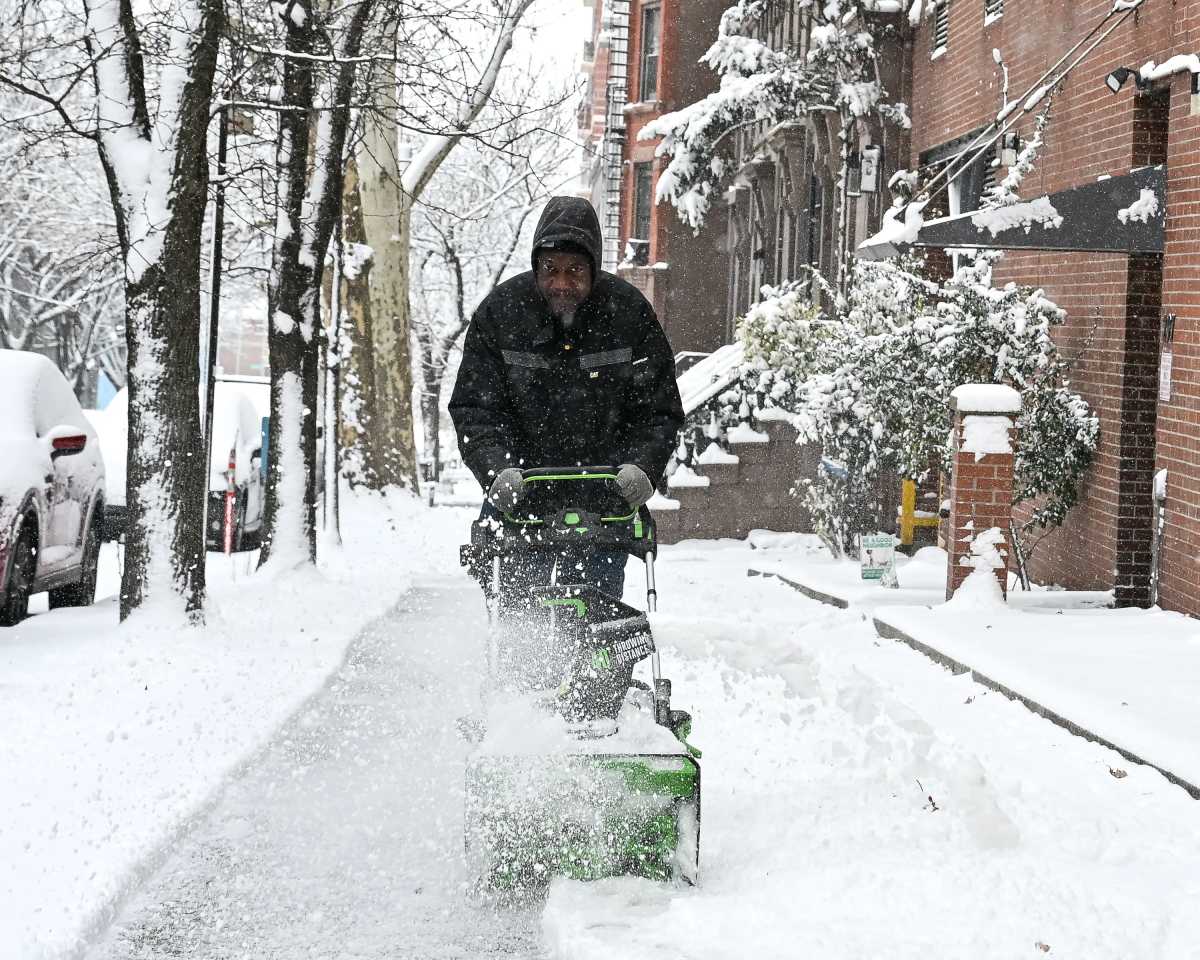



MTA Chair Janno Lieber has stated that the city’s transit network will remain operational as New York City prepares for a potentially historic winter storm this weekend, with forecasts predicting at least 10 inches of snow Sunday into Monday.
The forecasted snowfall, expected to begin late Saturday night or early Sunday morning, would be the city’s biggest in years, Mayor Zohran Mamdani said at a briefing Friday morning. Still, Lieber said the MTA system stands ready to deal with whatever nature throws at it over the coming days.
“We have detailed plans in place for storms like this, to protect the network, to protect our riders and to protect our employees,” Lieber said.
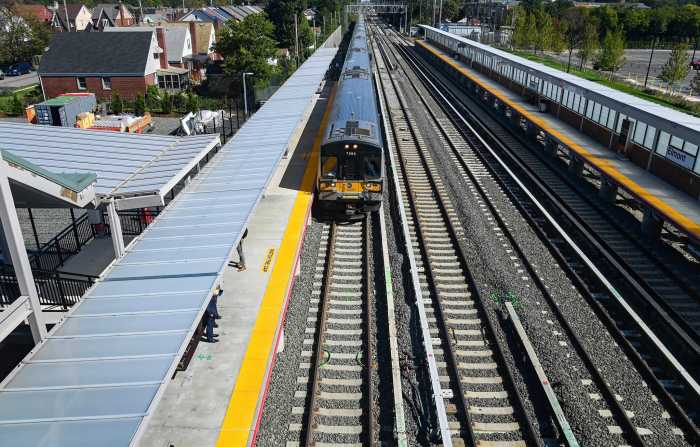
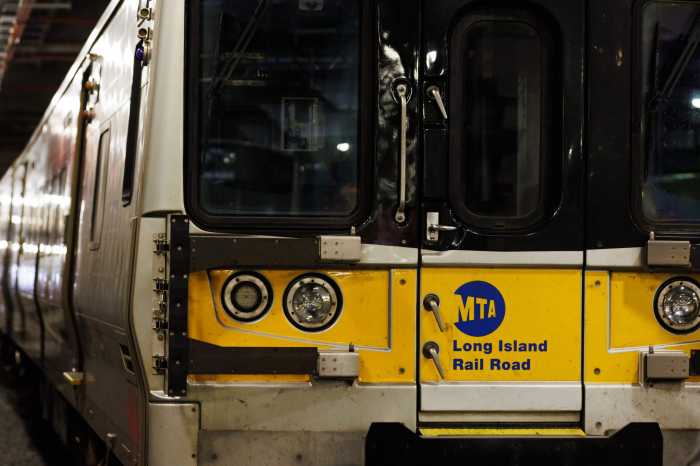
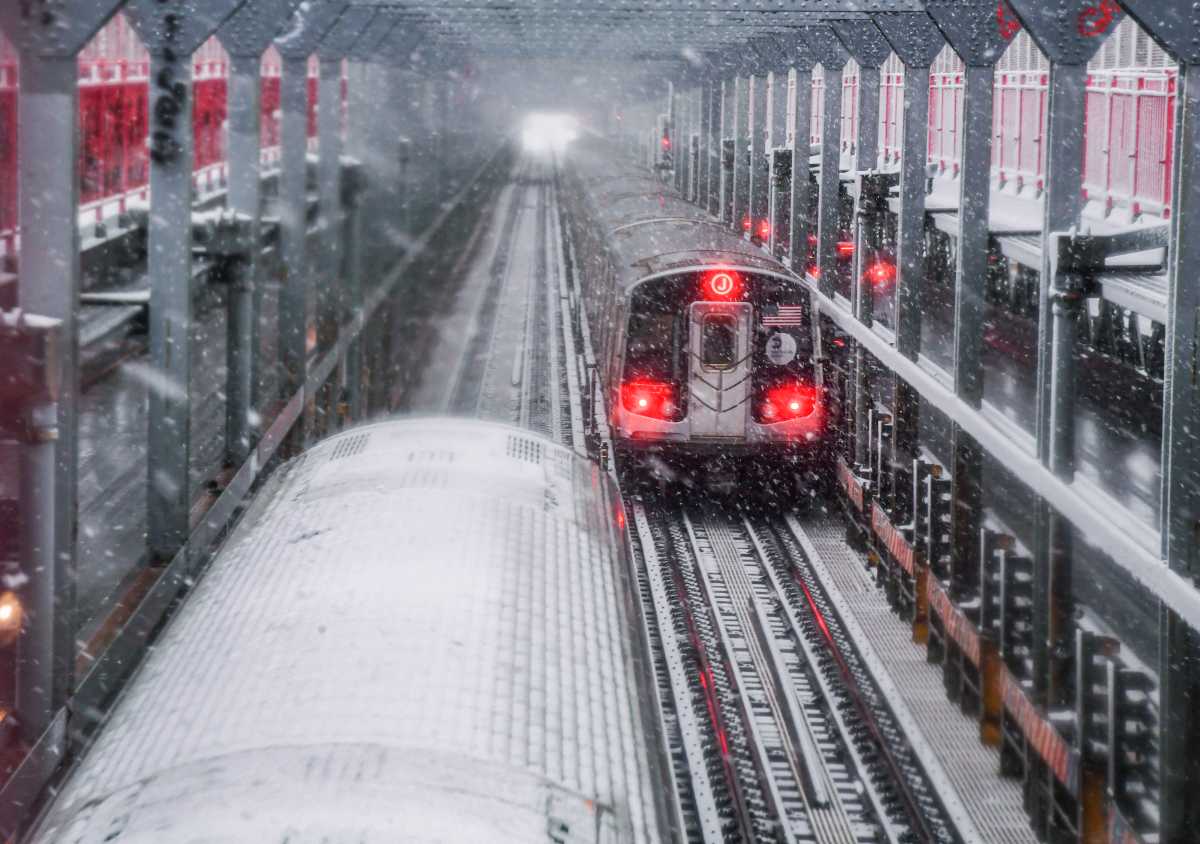
Those plans include using the MTA’s snow-fighting trains to keep the 220 miles of outdoor subway track operational. Lieber said de-icing systems will also be in place for the outdoor track, adding that commuter railroads like Metro North and Long Island Rail Road will have the same protections.
Buses are the ‘major workhorses’ in winter storms: Lieber
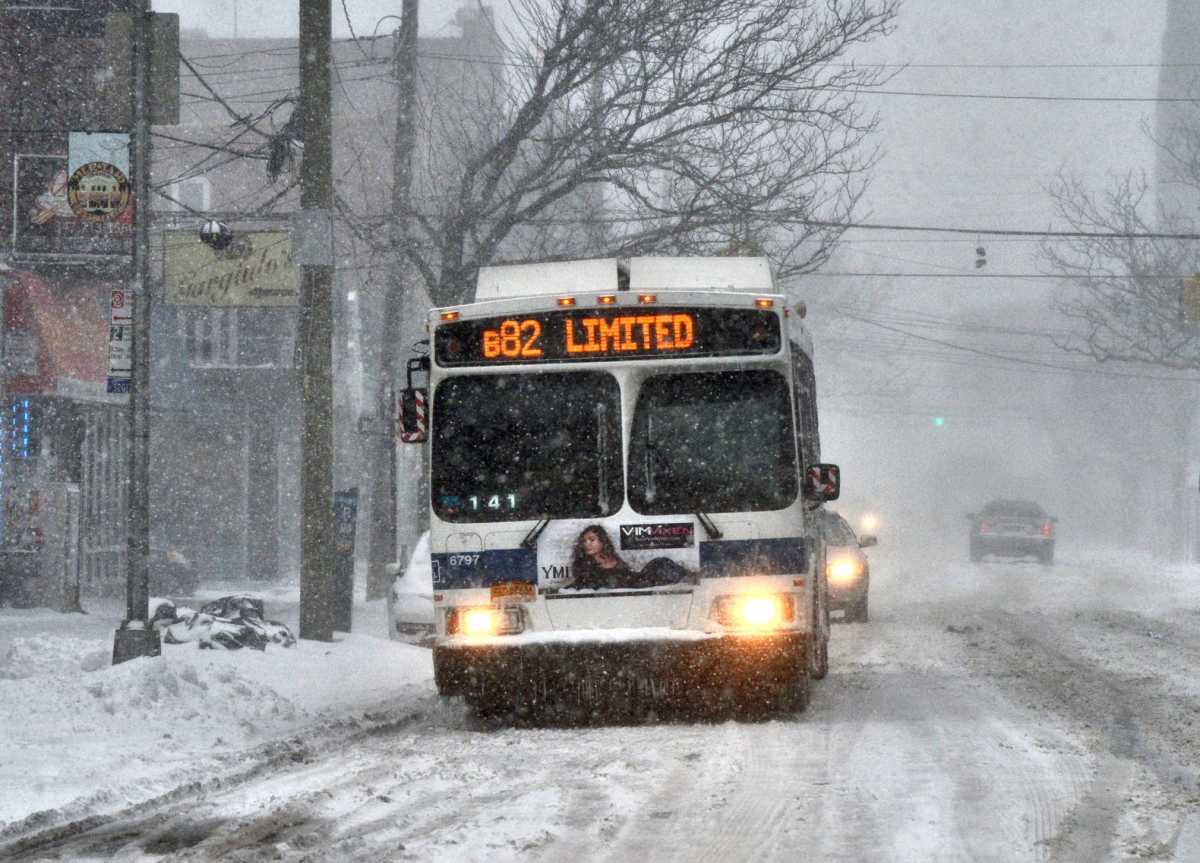
The agency has 35 snow-clearing vehicles to clear blocked streets and keep buses operational in the city, Lieber added.
All operational buses will be fitted with chains throughout the icy period. Longer articulated buses will be taken out of service for safety reasons.
Lieber described buses as the “major workhorses” of winter storms like the one forecasted this weekend, stating that buses will continue to run even if the subway and commuter rail services face challenges.
“Even if there are challenges in the rail part of our transit system, the buses are going to be out there,” Lieber said. “Every time we find out that they are the workhorses of major storms like this, they’ll all be chained and ready to go.”
He said the MTA has no specific threshold for when it may suspend or alter rail services, but added that the agency makes real-time adjustments during weather events based on expert advice.
“The professionals know how to make determinations about when service starts to be impacted,” he said.
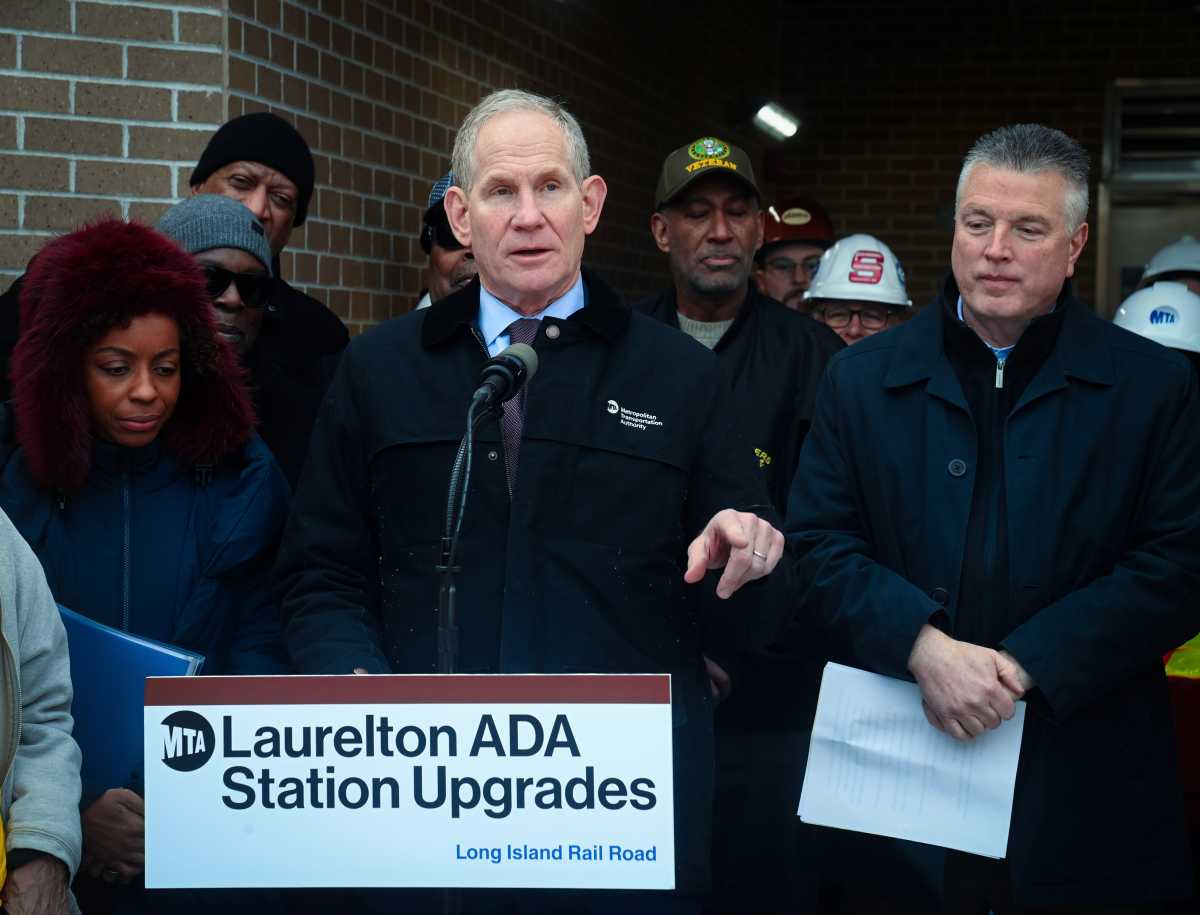
Long Island Rail Road President Rob Free said the agency will begin assessing operations after 10 inches of snow accumulate.
“Ten inches is something where we start to look at how the operation is behaving,” he said. “You can have wet snow, light, powdery snow, windy conditions – all of those factor into what we’ll do with service.”
Lieber, meanwhile, said the MTA’s number-one priority will be to ensure that pedestrian areas and walkways are clear so that the agency can continue to provide safe service.
Free said the MTA will staff a crew of 1,800 workers overnight on Sunday to ensure service is operational ahead of Monday morning commutes. He added that the MTA has received 1.1 million pounds of salt since the start of January and added that transit authorities have been preparing for winter weather events for months.
“We’re doing everything we can to make sure we have all supplies,” Free said. “We start preparing for the winter in the summer.”
Free said the MTA has been protecting outdoor signal switches and third rails through heaters to ensure that they operate smoothly through the cold weather period.
Lieber similarly emphasized that the MTA is prepared for the forecasted winter storm. He added that the MTA has 9,000 tonnes of de-icer “at the ready” to ensure that bridges and tunnels remain operations throughout the storm in addition to over 100 pieces of equipment.
“This is not our first rodeo,” Lieber said. “We prepare well in advance. Everyone knows what their job is.”
Lieber did encourage New York residents to remain indoors if they do not have to make an essential journey, however.
“If you don’t have to travel, stay home and enjoy a football game or just bake some cookies,” Lieber said at a press conference at the LIRR Laurelton staton on Friday morning.
The non-profit Riders Alliance, meanwhile, encouraged New York residents to use public transit during the winter storm if they must travel.
“New York’s subway was built for snowstorms. Sunday’s forecast is an opportunity for the system to shine. While roads may be slippery and slushy, rails are the place to be,” the group said in a statement.