


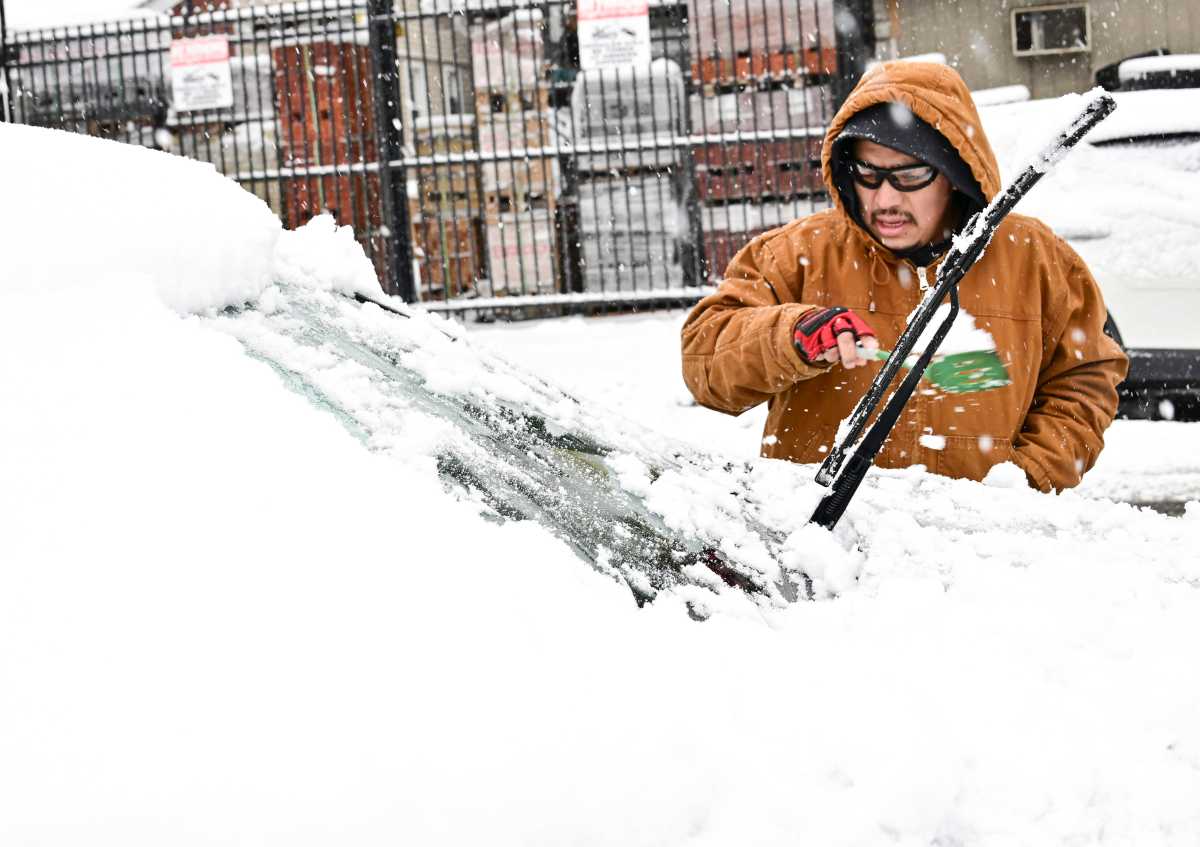
With biting cold air set to swoop over the five boroughs this weekend, many New Yorkers will again grapple with low temperatures, icy sidewalks and other dangers synonymous with a deep freeze.
We’re in the middle of a Code Blue in NYC, meaning the city will issue additional weather warnings and protections for New Yorkers. NYC often declares a “Code Blue” when temperatures drop.
Specifically, a Code Blue weather emergency notice is issued when the temperature drops to 32 degrees Fahrenheit or below (including wind chill) between 4 p.m. and 8 a.m. It includes National Weather Service calculations for wind chill values.
So, whether it’s this bitter-cold week or any other freezing week, here is a comprehensive guide to staying warm and safe in the city, from navigating treacherous icy streets to dealing with the perennial problem of broken building heat and so much in between.
How to stay warm in NYC
What to do when the heat goes out in your apartment
Tenants should immediately call their super or landlord if their heat system breaks. It is also a good idea to call the city’s non-emergency helpline at 311. Per city regulations, landlords are mandated to keep specific indoor temperatures during colder months, between Oct. 1 and May 31:
- Between 6 a.m. and 10 p.m. indoor temperatures must be at least 68 degrees when outdoor weather is below 55 degrees
- Between 10 p.m. and 6 a.m., indoor temps have to at least 55 degrees when it is below 40 degrees outside
While waiting for the heat to kick on, try to see if you can stay with a friend or relative whose home is warm. You can also layer up.
If your heat is not fixed in a timely manner, keep following up with your landlord. Let the landlord and super know when you have filed a complaint with 311. Complaints can be made by dialing 311 or online at portal.311.nyc.gov.
How to carefully use a space heater
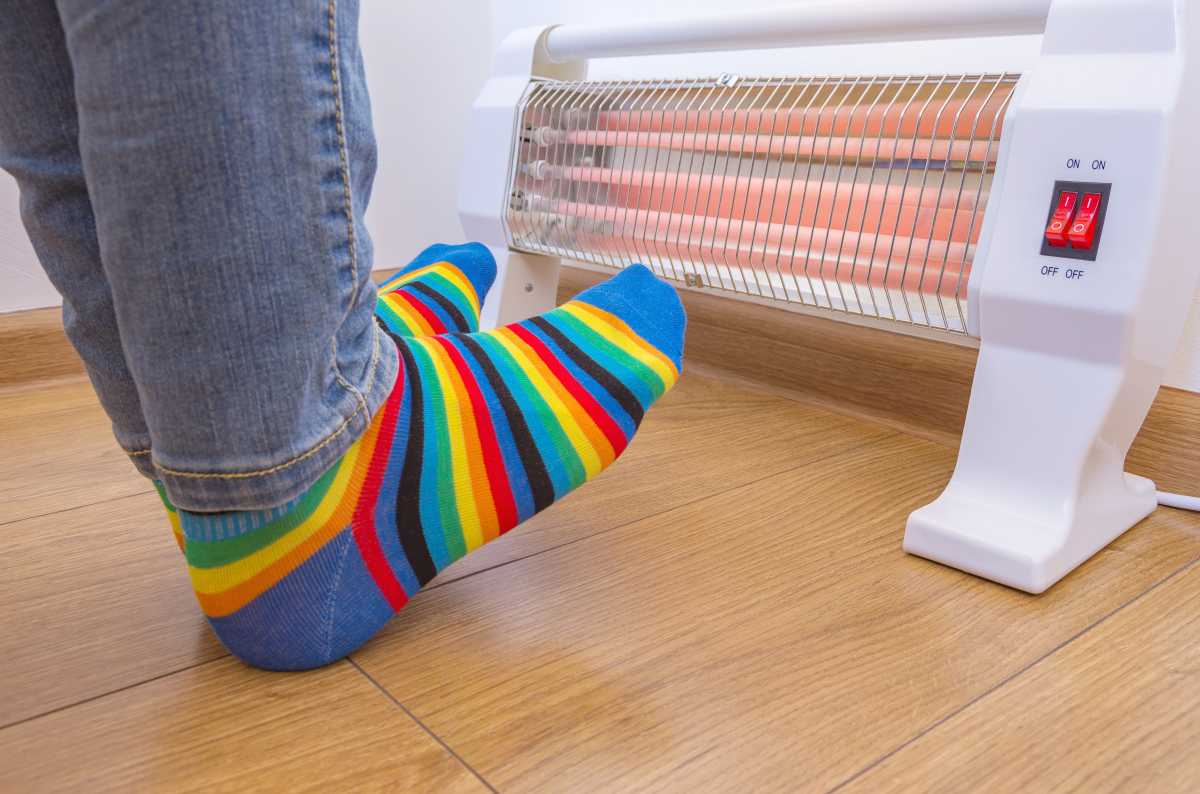
When the heat is down, an electric space heater can help. The devices can be purchased online or in various retail stores. Portable gas or kerosene space heaters are illegal in New York City due to the obvious fire risk.
While they are great at keeping people warm, electric space heaters must be used carefully. Here are some tips to keep you and your family safe:
- Make sure the heater is not leaning on or touching anything
- Never leave it unattended
- Have the heat blow into an open area
- Unplug space heaters when they are not in use
PRO TIP: Some New Yorkers qualify for the state’s Home Energy Assistance Program (HEAP), which gives eligible households a one-time payment to support their gas utility bill. Information on eligibility is available at otda.ny.gov.
What should you do if you see a homeless person who needs warmth?
Throughout the freeze, NYC homeless services workers have been conducting outreach efforts to help vulnerable New Yorkers.
During extreme cold weather, the city’s Department of Homeless Services (DHS) will declare a Code Blue in which outreach teams ramp up their efforts to connect vulnerable New Yorkers to services, shelter or a warm place to stay—just as they have been doing this week.
Warm Drop-In Centers are located throughout the five boroughs. At a Drop-In Center, homeless individuals not only escape the freezing cold, but can access hot meals, clothing and an array of facilities, including showers and more. The centers are open every day, all day and on holidays.
“During extreme weather conditions, our outreach teams intensify their 24X7 efforts across all five boroughs, implementing best practices and the latest health guidance as they engage New Yorkers experiencing unsheltered homelessness, encouraging them to come inside, and connecting them to shelter services, drop-in or warming centers and other critical supports,” a DHS spokesperson told amNewYork.
New Yorkers who see individuals they believe to be experiencing homelessness and in need should contact 311 via phone or mobile app and request outreach assistance.
“DHS and our provider-partner outreach teams will continue to be out there, conducting these enhanced efforts and ensuring that we are prioritizing the health and safety of some of our most vulnerable New Yorkers,” the DHS spokesperson said.
PRO TIP: A list of city Drop-In centers is available at portal.311.nyc.gov.
Protect your pipes and plumbing
Remember homeowners: You are responsible for protecting your home’s pipes and water meters from freezing. If a meter freezes and breaks because it was not protected, the city’s Department of Environmental Protection (DEP) will fix if for a fee. However, homeowners must have services lines or pipes repaired by a licensed master plumber.
Here are some tips from DEP to protect your pipes and water meters from freezing:
- Repair broken and cracked windows, doors, and walls; install storm windows on basement windows; and tightly close doors and windows to the outside
- Eliminate drafts from crawl spaces
- Turn off the water to outside faucets, remove hoses, and drain the pipes
- Ask your local plumbing supplier about materials to insulate pipes and meters
- Take extra care to ensure your meter is insulated if it is installed in an unheated garage
- Insulate the wall and open cabinets if pipes or meters are in a closed cabinet against an outside wall to allow warmer air to reach them
- Arrange to have someone turn on a faucet periodically if you are going to be out of town during cold weather.
Icy sidewalks and streets can be dangerous
NYC’s Emergency Management recommends that New Yorkers do not travel during storms and deep freezes. If you drive, try to stick to major roads.
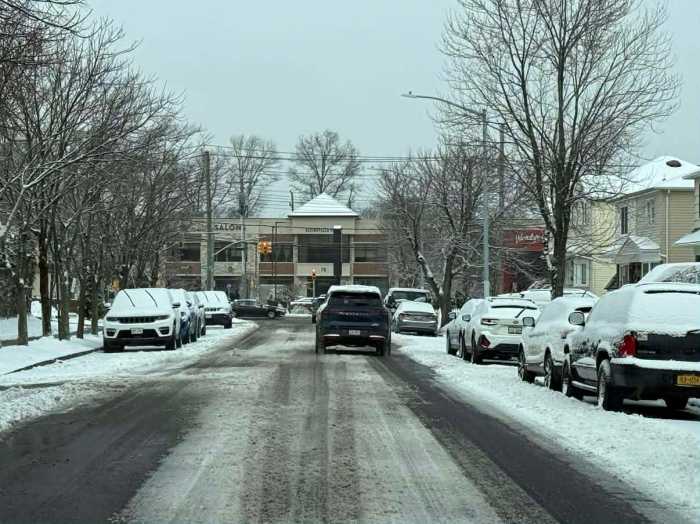
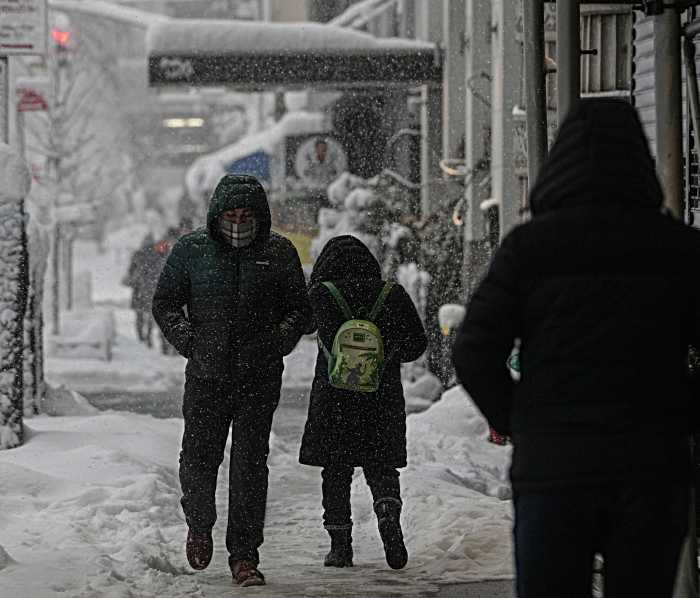
If you have to walk on sidewalks, which can have hidden ice, do it carefully. Take extra care when walking on snow and ice, especially if you are an older adult, to avoid falls.
“Pedestrians should exercise caution and avoid slippery surfaces. Some ice may not be visible,” NYCEM notes. “Wear sturdy boots that provide traction to reduce slipping. Use handrails when using stairs.”
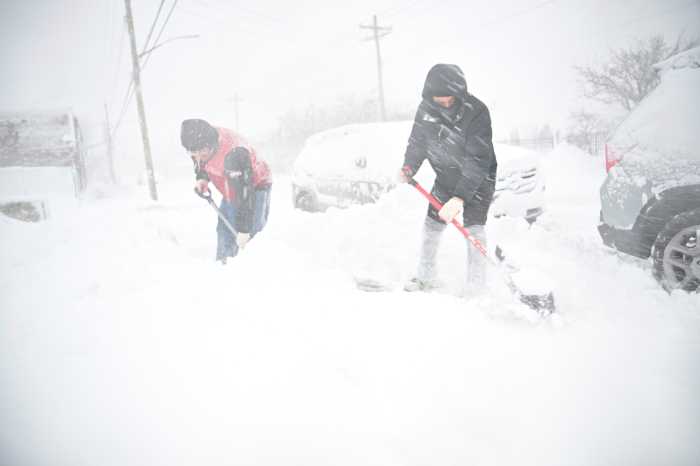
During snowfall, the city’s Department of Sanitation clears streets and bike lanes. However, property owners must clear their own sidewalks.
PRO TIP: It is illegal to shovel snow into the street, so it is best to move the snow against a building or to the curb line. Sidewalks should have a minimum 4-foot path, if possible, for pedestrians to safely move through.
Be careful near lakes, ponds and rivers
These bodies of water can appear frozen, but they likely are not. In fact, it can be extremely dangerous to venture on them, per the NYC Parks Department.
“Our parks offer wonderful opportunities to embrace winter’s beauty and breathe in the crisp seasonal air, but the colder months demand extra awareness around our bodies of water,” NYC Parks Commissioner Iris Rodriguez-Rosa said in a statement. “I encourage everyone to review the posted safety guidelines throughout our parks and along the water’s edge, and I urge parents and caregivers to teach young ones about staying off any water body that looks frozen and to never leave them unattended near ice. We want New Yorkers to enjoy our parks all winter long—but safety must always come first, so please keep off the ice.”
Cold-weather safety tips for pets
Just like humans, dogs can feel the cold, too. In fact, the ASPCA urges pet owners to prepare in advance during severe winter weather. The animal welfare organization recommends keeping walks to a minimum and never let your pup go off-leash in a snowstorm—they can lose their scent in snow and get lost or disoriented.
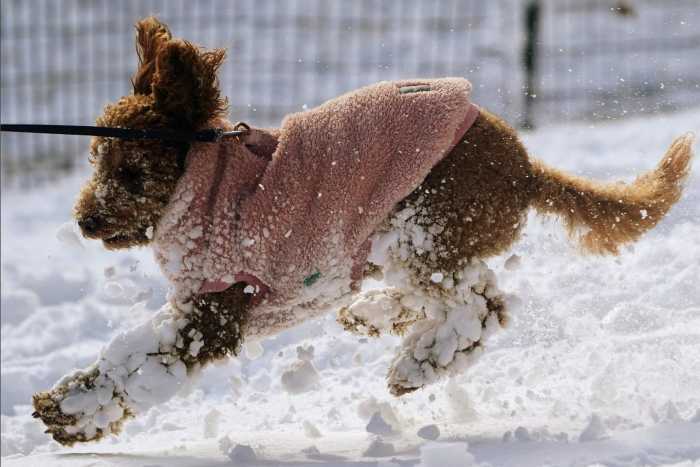
The ASPCA’s other top tips for pet pups include:
- Keep your pet dry. Repeatedly going into the cold and then coming back into a warm home can cause itchy, flaky skin. Pay close attention to your pet’s feet and in-between their toes for cracks or redness, and be sure to remove any snow balls from between their foot pads to prevent skin irritation.
- Zero in on feet and tummies. You may want to bring a towel on long walks to clean off irritated paws. While on a walk, your pet may step in salt or de-icing chemicals—which can be painful. If you notice any paw pad irritation, you can massage petroleum jelly or other vet-approved paw protectants into paw pads.
- Longer coats provide warmth. Never shave your pet down to their skin and try not to bathe them as often during cold spells.
By taking proactive steps and tracking the weather, New Yorkers can reduce their risk of cold-related illness and injury during any deep freeze. A helpful resource for tracking weather patterns includes following the NYCEM’s social media pages and checking or calling 311.