

For New Yorkers, no agency straddles the line between love and hate quite like the MTA. As a Bronx native who commuted 90 minutes each way from Morris Park to Manhattan for years, I’ve felt the full spectrum of emotions. And in the worst times, a lack of information was always the biggest source of frustration.
Since becoming MTA’s Chief Customer Officer, I’ve been determined to keep riders in the loop, no matter what’s happening, whether it’s good news – like decals highlighting new projects funded by congestion pricing, coming soon – or bad – like subway delays.
Communication is key, and it goes both ways. I’m proud that MTA Customer Communication agents handled more than 1.2 million interactions in 2025. That’s roughly 3,300 per day, spanning phone calls, chat, written correspondence, and in-person outreach.
The high volume is a natural outcome when you make it easier to get in touch. We’ve installed posters in every subway car informing riders how to reach our team, including via the new MTA app chat service, which offers 24/7 real-time support to customers experiencing subway or bus issues.
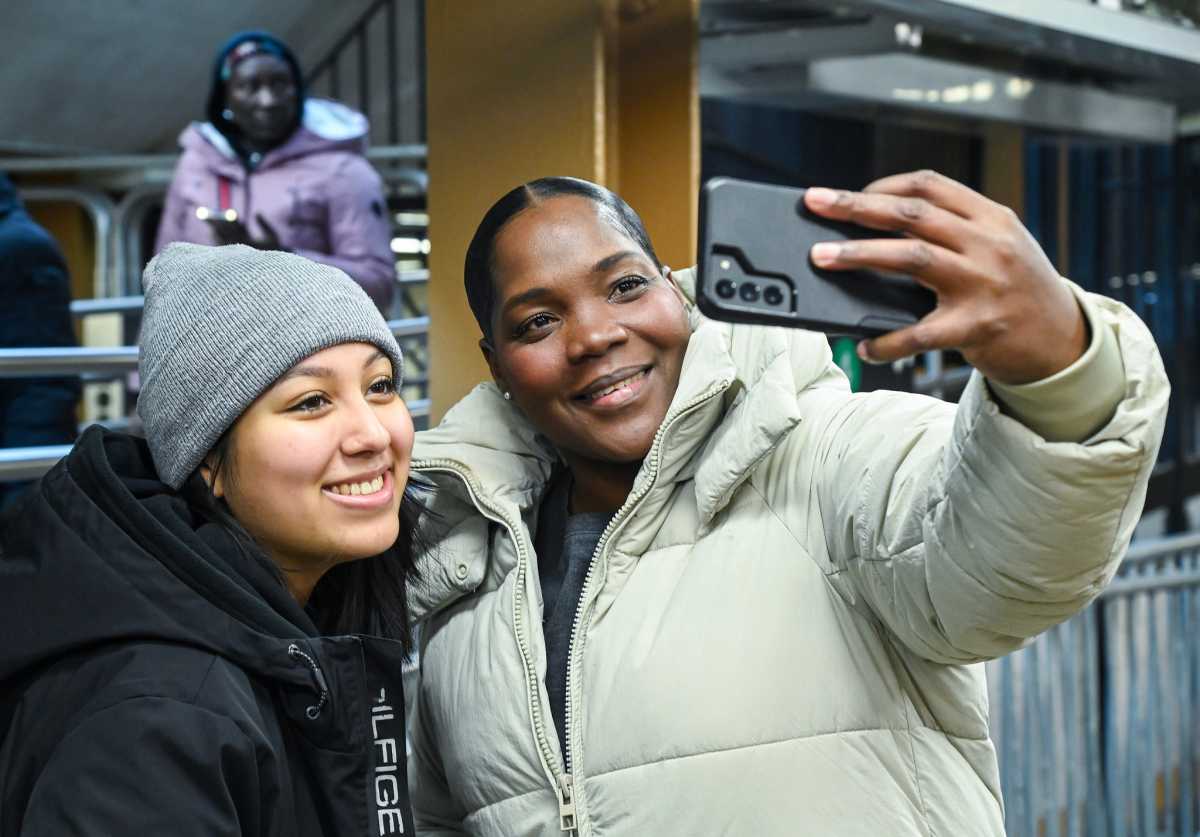
For round-the-clock in-person assistance, our Customer Service Centers have now expanded to 30 locations across the subway system. This has been especially important during the transition to Tap and Ride. We’re now at 97% adoption across all customer groups thanks to some creative promotions ahead of MetroCard’s retirement on December 31.
We had free OMNY card giveaways, partnerships with New York icons like Zabar’s and Alidoro, and even PSAs from some famous voices. Stars like Andy Cohen, Cardi B, Sabrina Carpenter, Trey Anastasio and Oscar the Grouch have all recorded messages in the last year.
Reminders about switching over, along with service information, are also shown 24/7 on our network of 14,000+ digital screens. Each provides tailored messaging to specific lines and stations, so customers get the most relevant, up-to-date information. The redesigned MTA app and its highly rated railroad companion, TrainTime, are similarly invaluable resources. Riders can also sign up for email and text alerts about service changes.
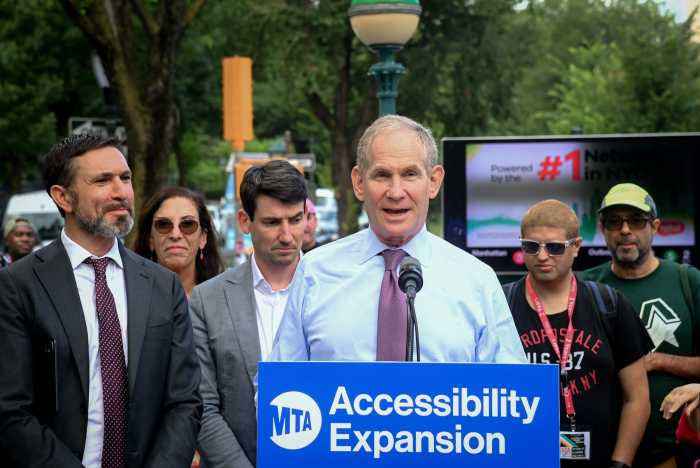
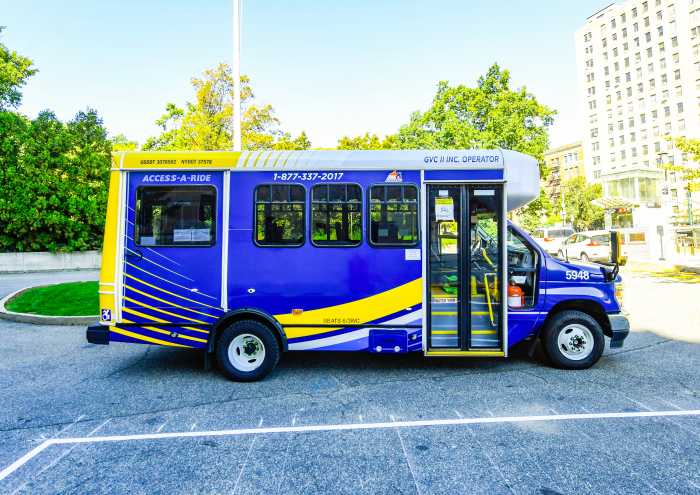
And for customers with disabilities, we’ve expanded innovative solutions to increase accessibility. Convo Access, which connects Deaf or Hard of Hearing riders with an ASL interpreter on demand, launched in 16 locations across the system. And NaviLens, which provides audio or visual travel information via its app, has rolled out in dozens of stations and on trains systemwide.
These upgrades have translated into real gains in customer satisfaction, which reached an all-time high on the subways in our fall Customers Count survey. The full results will be published on Monday.
Nevertheless, our work is far from over. For as long as the transit system exists, New Yorkers will have something to say about it. It’s my job to make sure the MTA listens.
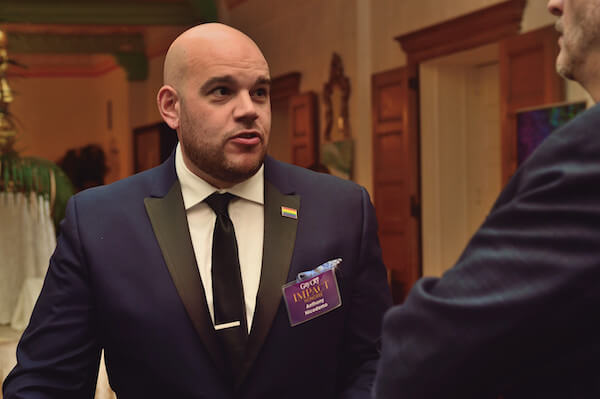
Shanifah Rieara is the MTA’s chief customer officer.