

A new year brings a bevy of new possibilities and challenges for one of the world’s largest public transportation systems.
Among the major stories likely to drive the news in 2026 are a new mayor who has pledged to make city buses faster and free to ride; a fare increase and its fallout, the future of congestion pricing; the progression of several major transportation projects; and the MTA’s continued efforts to stop fare evasion.
amNewYork will be here for all of it. Here’s some of what the “subway paper” will be following in the year to come.
Bus mayor
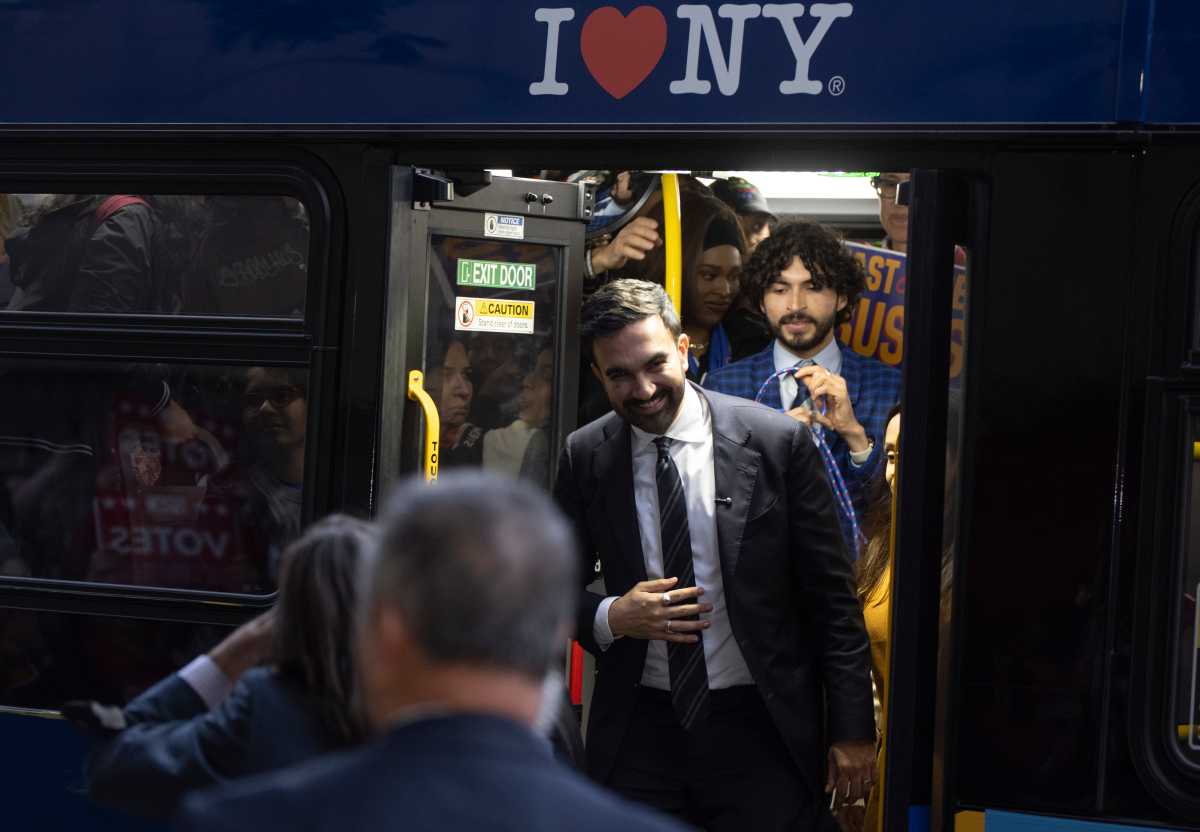
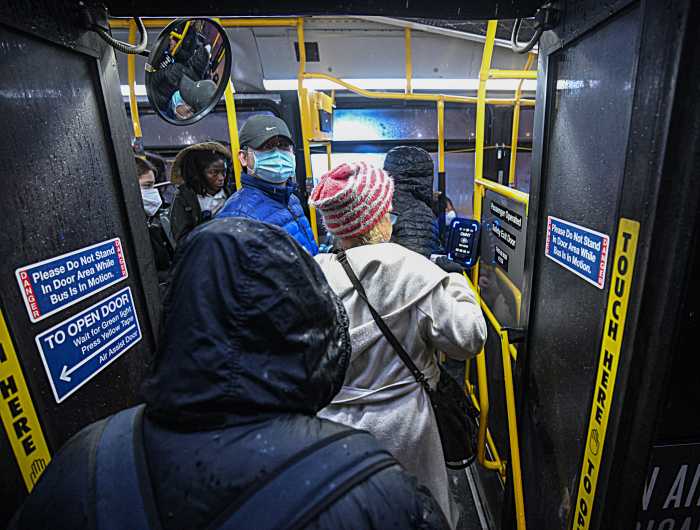
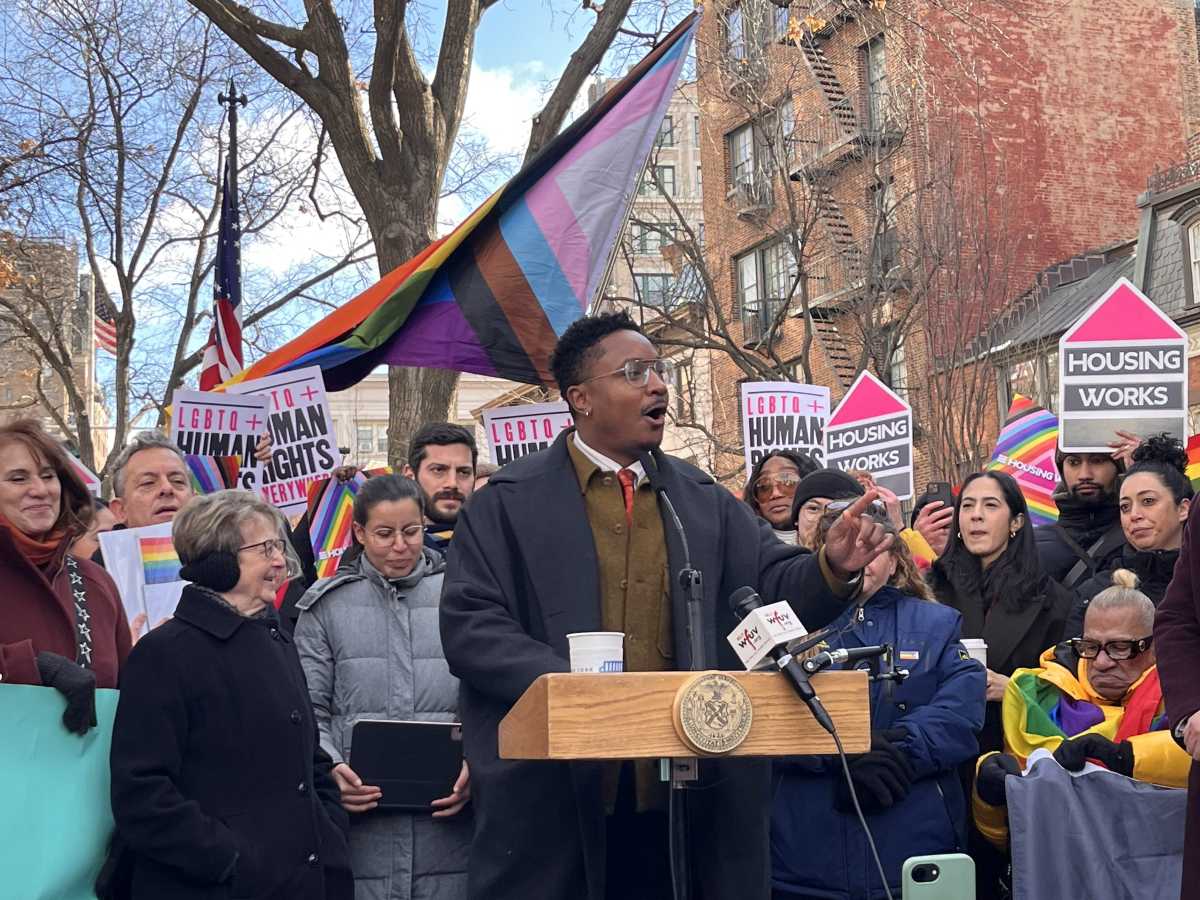
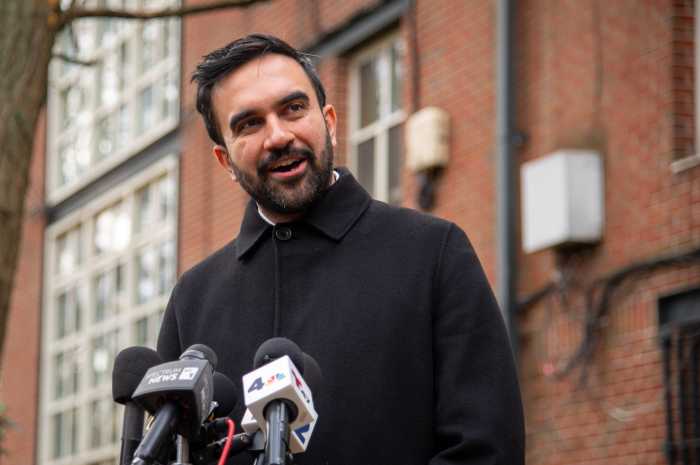
Incoming Mayor Zohran Mamdani was elected, in no small part, on his promise to eliminate the fare for city buses while making them run much faster. However, he faces several hurdles to making that proposal a reality.
Chief among them is that the bus network is controlled by the state-run MTA and eliminating bus fares would require a replacement revenue stream to the tune of hundreds of millions of dollars.
Mamdani has pitched raising taxes on millionaires and corporations as the main funding mechanism for the proposal. Such a change would require sign-off from both Gov. Kathy Hochul and the state legislature. Hochul had previously said she would not entertain any tax increases, but has reportedly become more open to the idea of raising levies on corporations since Mamdani’s November victory.
MTA Chair and CEO Janno Lieber has also expressed skepticism about Mamdani’s plan. He has said the proposal needs to be studied far more thoroughly before moving forward with its implementation.
Lieber has also voiced concerns about subsidizing bus fares universally, including for those who can afford to pay. He said he prefers expanding the city’s Fair Fares program, which currently provides half-priced fares to those making up to 145% of the federal poverty level.
Fare hike and OMNY take over
Starting Jan. 4, New Yorkers will pay 10 more cents at the fare box.
The fare is finally increasing to $3 after remaining at $2.90 since the MTA last raised it in the summer of 2023. In addition to the full-fare hike, reduced-fare subway and bus riders will now pay $1.50, instead of $1.45.
While the increase means transit users will only be paying 10 more cents per ride, it has already drawn backlash from riders and elected officials. Opponents of the increase say the hike will only add to the financial strain many New Yorkers are feeling from the city’s skyrocketing cost of living.
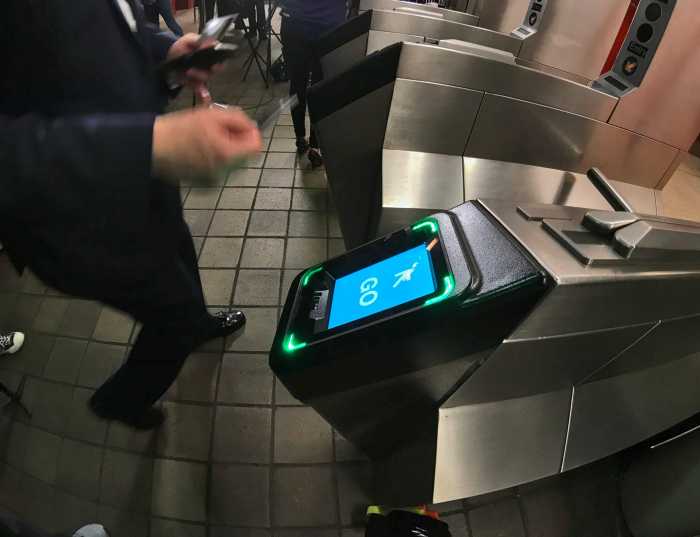
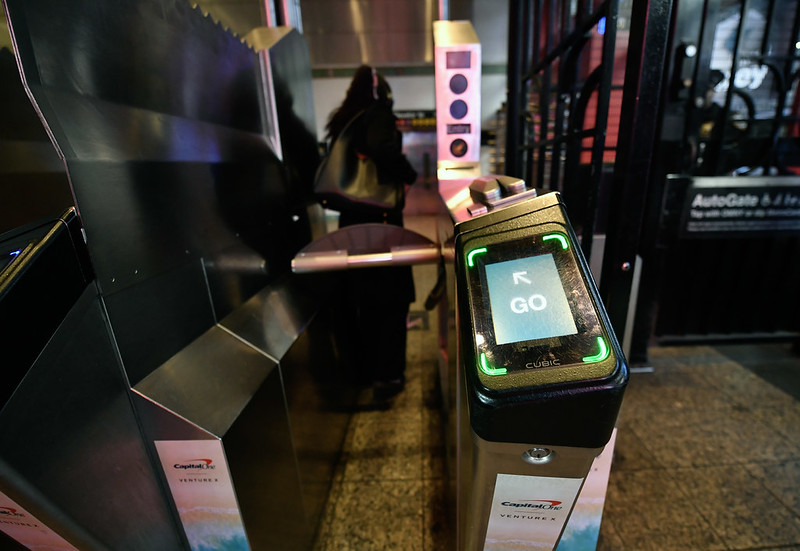
At the same time, the MTA is taking one of its final steps in switching from the MetroCard to its tap-and-ride system: OMNY. The agency will cease MetroCard sales on December 31, although it will still accept them for an unspecified period into 2026.
The vast majority of transit riders have already transitioned from the MetroCard to OMNY, with 94% of trips in the system now paid for with tap-and-ride, MTA officials said at the agency’s December board meeting.
However, even as the MTA fully switches to OMNY, riders have reportedly continued to flag issues with the tap-and-ride technology. Those problems include commuters being charged more than once for a single trip, and it not being clear when they qualify for free rides under the agency’s “fare-capping” system, which offers free trips after a rider has swiped 12 times in under seven days.
Congestion pricing
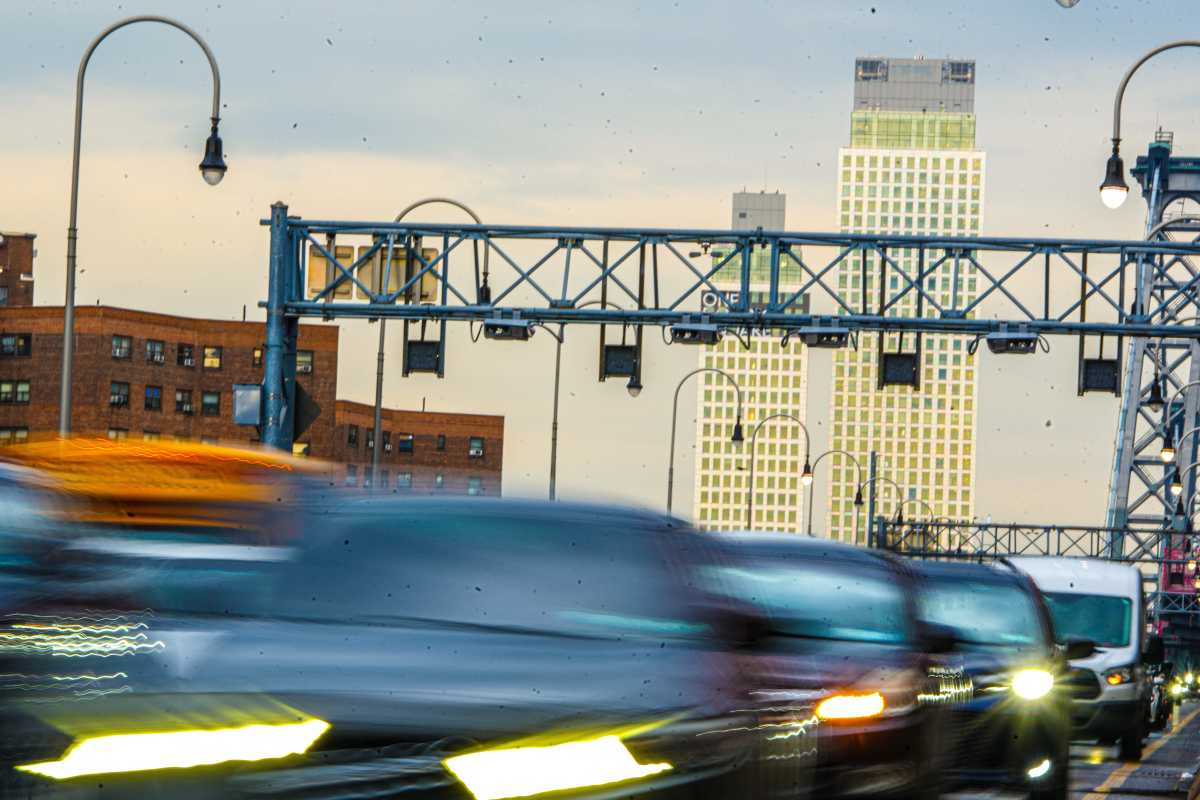
Jan. 5 will mark the one-year anniversary of congestion pricing, a program that charges drivers a $9 base toll to enter Manhattan below 61st Street — an area known as the Central Business District (CBD) or Congestion Relief Zone (CRZ).
In addition to reducing gridlock on city streets and the air pollution that comes with it, congestion pricing is designed to raise billions of dollars for the MTA to spend on capital improvements to its aging tranist system.
Gov. Hochul, the MTA, and published reports have cited data from the first 11 months of the program indicating it is working as intended.
Congestion pricing has reduced the daily average number of vehicles entering the CBD by 11%, cut air pollution in the zone by 22%, and boosted foot traffic in the area by 3.4%, according to the MTA and a published report.
The agency is expected to highlight even more data points demonstrating the program’s success come Jan. 5.
However, the future of congestion pricing will be determined by an ongoing court case, in which the MTA has sued the Trump administration to block it from shutting down the program.
Last week, U.S. District Court Judge Lewis Liman delayed his ruling on the fate of the program until Jan. 28.
Capital projects
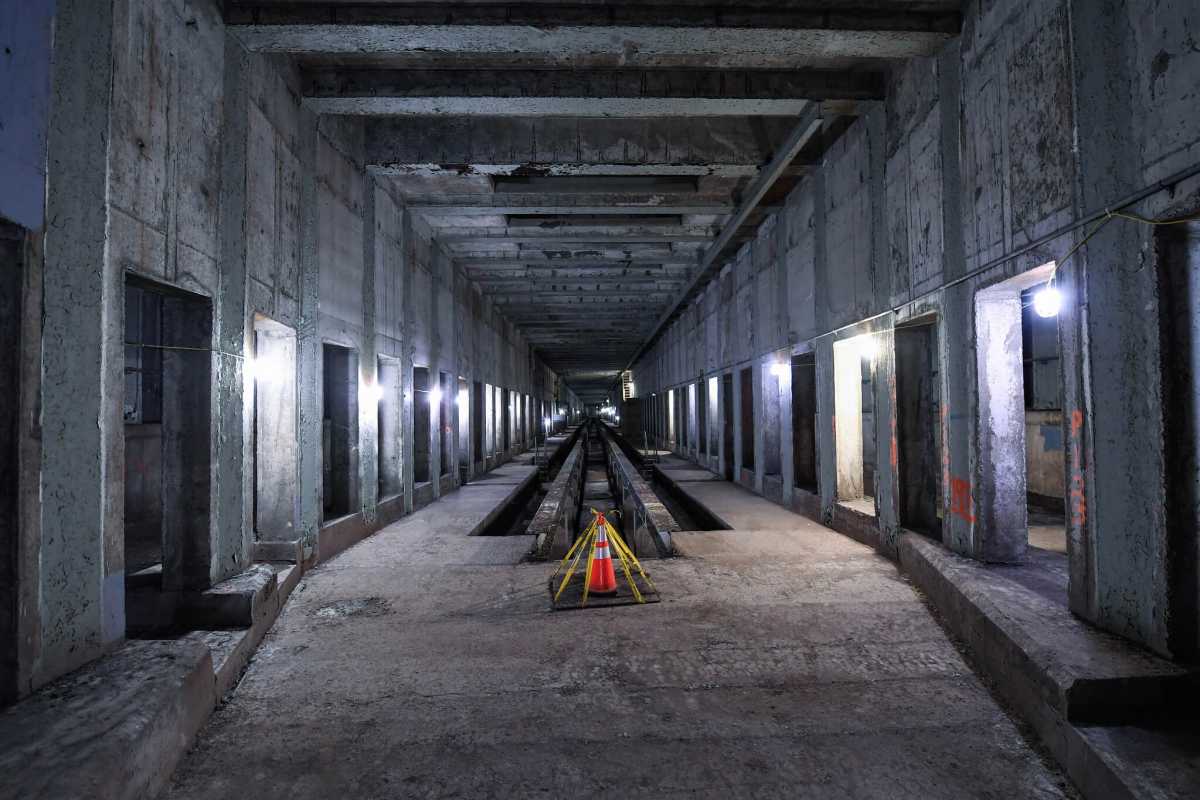
Several major capital transit projects are expected to continue chugging along in 2026.
One of those undertakings is the MTA’s construction of the Second Avenue Subway’s second phase, which will bring the Q train into East Harlem. The $6.99 billion project is slated to add three new stations to the line at 106th, 116th, and 125th Streets, with completion expected by 2032.
In September, the MTA board approved a nearly $2 billion tunnel boring contract for the project, which has already broken ground.
But the Trump administration announced the next month that it was freezing roughly $18 billion in funding for local infrastructure projects, including the Second Avenue Subway, over the claim that they were in violation of new Diversity Equity and Inclusion (DEI) rules, which the feds had just changed.
Earlier this month, Lieber stated that the agency received a letter from the federal Department of Transportation outlining the steps needed to restart the flow of federal dollars for the project. Without going into the specifics of the letter, Lieber said feds were asking the MTA to recertify contractors working on the project to ensure they are in line with the new DEI rules.
However, work on the project has continued amid the funding pause.
The feds also halted funding for the Gateway Tunnel Project, a multi-billion-dollar effort to replace two tunnels underneath the Hudson River. The existing tunnels, which carry Amtrak and New Jersey Transit trains between New York and New Jersey, are due for repairs after 110 years of use and severe damage from Hurricane Sandy.
Other major ongoing projects include the federal-run redevelopment of Penn Station, the MTA’s rebuilding of the Grand Central Train Shed, and the Port Authority’s redesign of its Midtown Bus Terminal.
Fare evasion
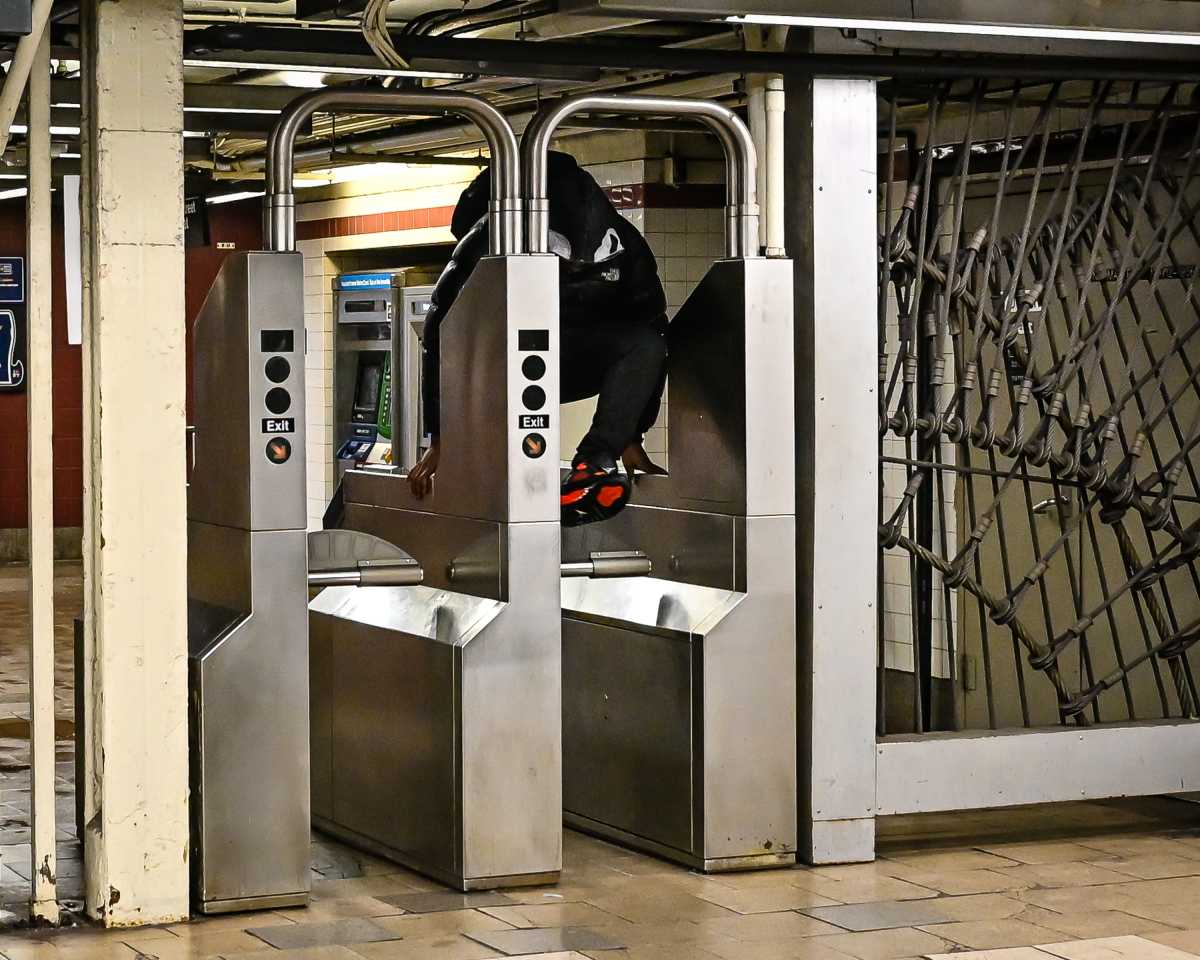
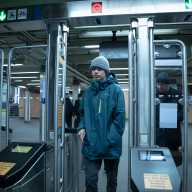
The MTA will continue its crusade against fare evasion, a scourge the agency says costs it hundreds of millions of dollars in revenue each year, on the city’s subways and buses in the new year as well.
The agency has already launched a pilot program testing prototypes for new subway fare gates designed to better deter those who choose not to pay. The prototypes were developed and are being funded by three private companies and will be tested at 20 stations in the coming weeks, and 20 additional stations by the end of 2026.
The MTA allocated $1.1 billion from its latest capital plan to install 150 new fare gates throughout the system by 2029.
MTA Chair Lieber has also said the agency is looking to implement a new “European-style” fare enforcement on the city’s buses, once OMNY has fully replaced coin-payments on the vehicles. The new model will see civilian fare agents, rather than cops, using handheld devices to check whether riders paid via their OMNY card, credit/debit card, or smartphone.