

In a modest, fluorescent-lit clinic on 17th Avenue in Bensonhurst, Brooklyn, patients line up daily with chronic pain that has lingered for years. Some are truck drivers nursing shoulder injuries; others are restaurant workers with back and leg pain from 12-hour shifts on their feet. Many speak limited English, and some lack health insurance that covers the care they seek: acupuncture.
Cai Bin, a licensed acupuncturist and Chinese immigrant, has operated the clinic since 2012. Originally from a rural village in southern China, he immigrated to New York City decades ago. Over time, he built a practice — and a community — serving working-class immigrants who rely on traditional Chinese medicine as an affordable, culturally familiar alternative to conventional medical care.
In recent years, Cai’s role has expanded beyond the treatment room. He is now one of the advocates for Assembly Bill A622, a New York State proposal that would require all health insurance plans to cover acupuncture services.
“Many insurance companies still don’t cover acupuncture,” Cai said. “If it’s not covered, people have to pay out of pocket. But people with low income or no income can’t afford it. A household of three or four might earn only $30,000 a year. Now, acupuncture has become something only wealthy people can afford.”
One of Cai’s longtime patients, Jiang Ming, a Chinese monk who lives in New Jersey, said acupuncture helped him recover after years of antibiotic treatment.
“After being bitten by ticks, my body became stiff and intoxicated,” Jiang said. “Hospitals gave me antibiotics for more than 20 years, and eventually my body couldn’t take it. I threw the medicine away. After that, I went from doctor to doctor and finally found Dr. Cai’s clinic.”
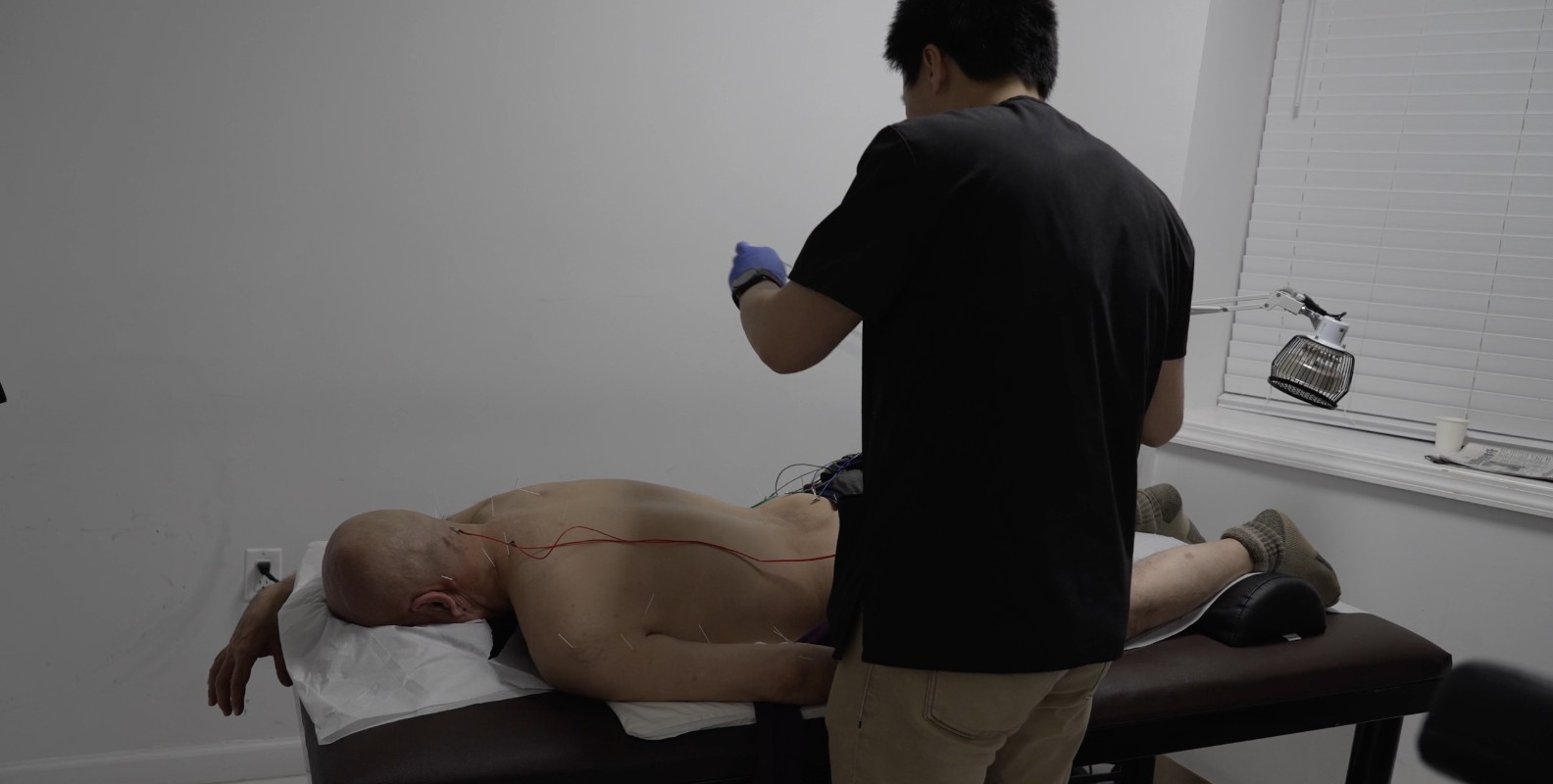
Acupuncture, widely practiced in countries such as China, Korea and Japan, continues to occupy a marginal position in the U.S. health care system. In New York, it was not legally recognized until 1991. As of 2025, three states — South Dakota, Oklahoma and Alabama — still do not legally recognize the practice. In many others, private insurance plans often exclude it from coverage.
Cai said that leaves many laborers — particularly immigrants in physically demanding jobs — with few affordable options for pain management. That gap in access, he said, motivated him to step into legal advocacy.
In February 2025, Cai joined a group of acupuncturists in Albany during the state’s annual legislative conference to promote the bill. They provided free acupuncture sessions to lawmakers, staff members and visitors, hoping to raise awareness and build momentum behind Assembly Bill A622.
If passed, the bill would require all New York health insurers to include acupuncture in their standard coverage plans. Advocates say the measure promotes health equity and recognizes the needs of communities that have long relied on alternative forms of care.
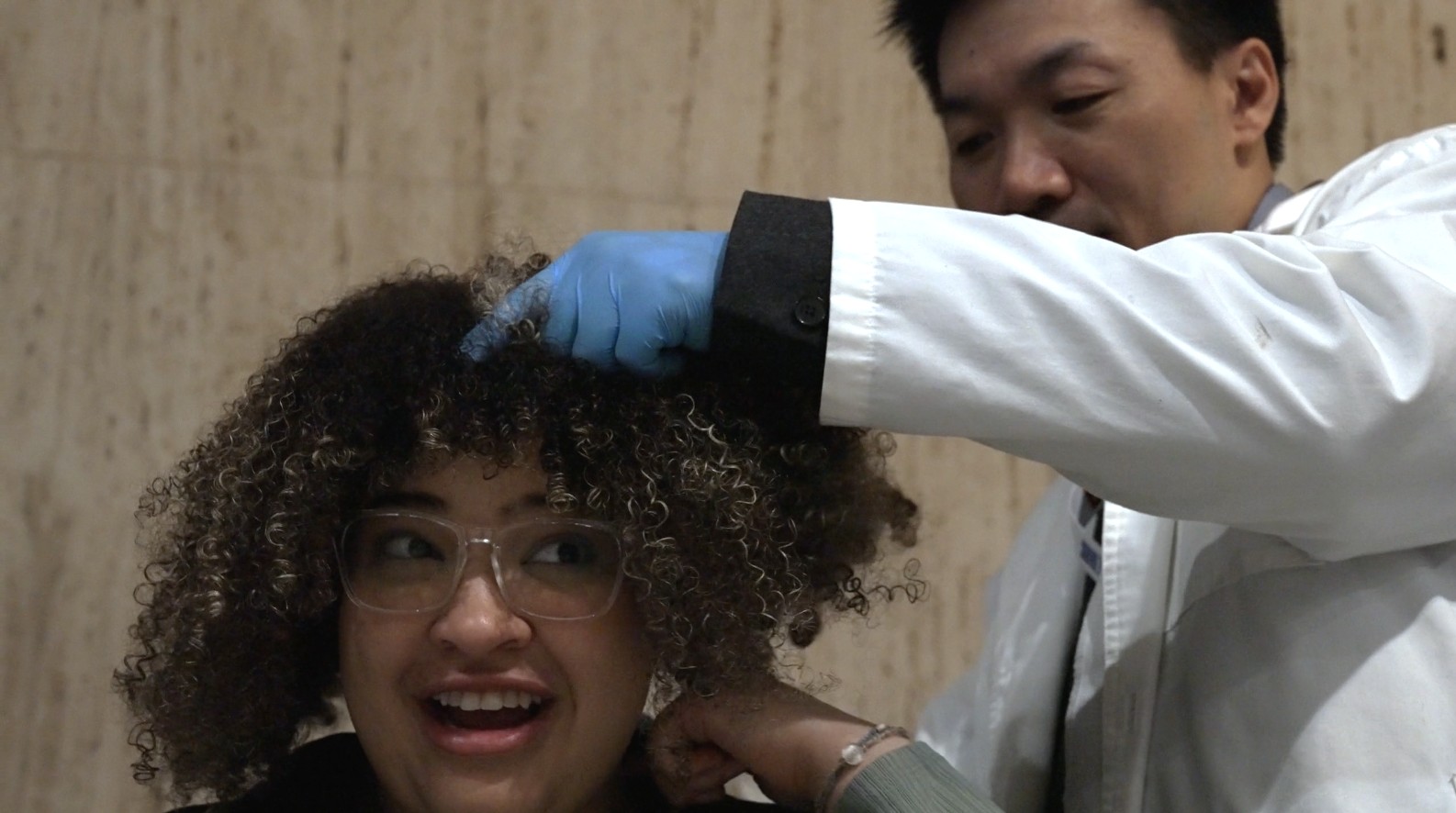
Greg, a former tour guide who lived in China for more than 30 years, was among the first to receive treatment during the Albany conference. He said misunderstandings about acupuncture and other Eastern medical practices continue to hinder broader acceptance.
“Americans don’t know much about traditional Chinese medicine,” he said. “That’s why there’s so much skepticism. We need more education and outreach so people understand how this works and why it matters.”
Beyond pain relief, proponents say acupuncture could also help reduce reliance on opioids and other prescription drugs. The National Institutes of Health and other institutions have acknowledged its effectiveness in treating chronic conditions such as back pain, neck pain and osteoarthritis.
Still, progress on the legislation has been slow.
“Passing a law in the United States is a long, tough and complicated process,” Cai said. “But it’s the working-class Americans who need acupuncture the most. Painkillers and injections are not long-term solutions. Acupuncture can be.”
As the legislative process continues, the future of Assembly Bill A622 remains uncertain. Supporters say they plan to continue outreach in the months ahead. In the meantime, Cai returns to his clinic each day, treating patients who depend on his care.